An incognito visit (hahaha) to the University of Edinburgh.
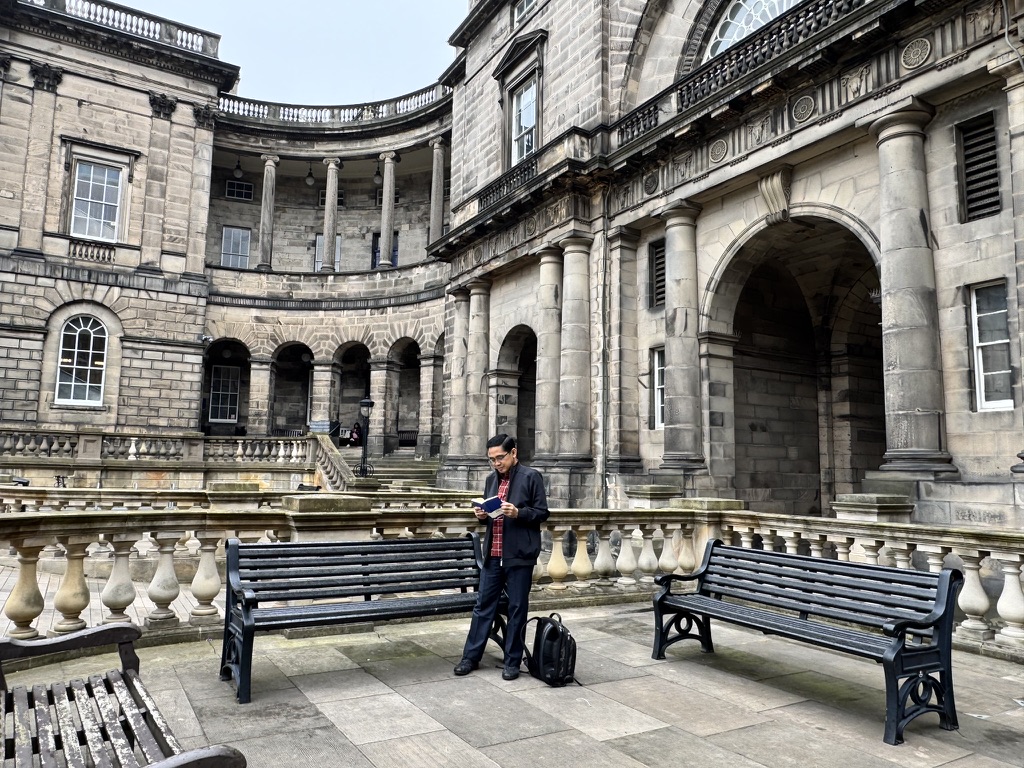

An incognito visit (hahaha) to the University of Edinburgh.
The leading role of the IEEE in advancing global science and technology development is undeniable. Still, outside the circles of scientists and engineers, people are more or less blind about the IEEE activities. Interestingly, since the leadership of Prof. Gamantyo Hendrantoro and Dr. Agnes Irwanti in the IEEE Indonesia Section, the publication of IEEE’s scientific discourse has been more widely disseminated to the general public. For two consecutive years, IEEE Indonesia has brought the IEEE President to Indonesia, featuring discussions broadcasted on television to improve the interest of the Indonesian public.
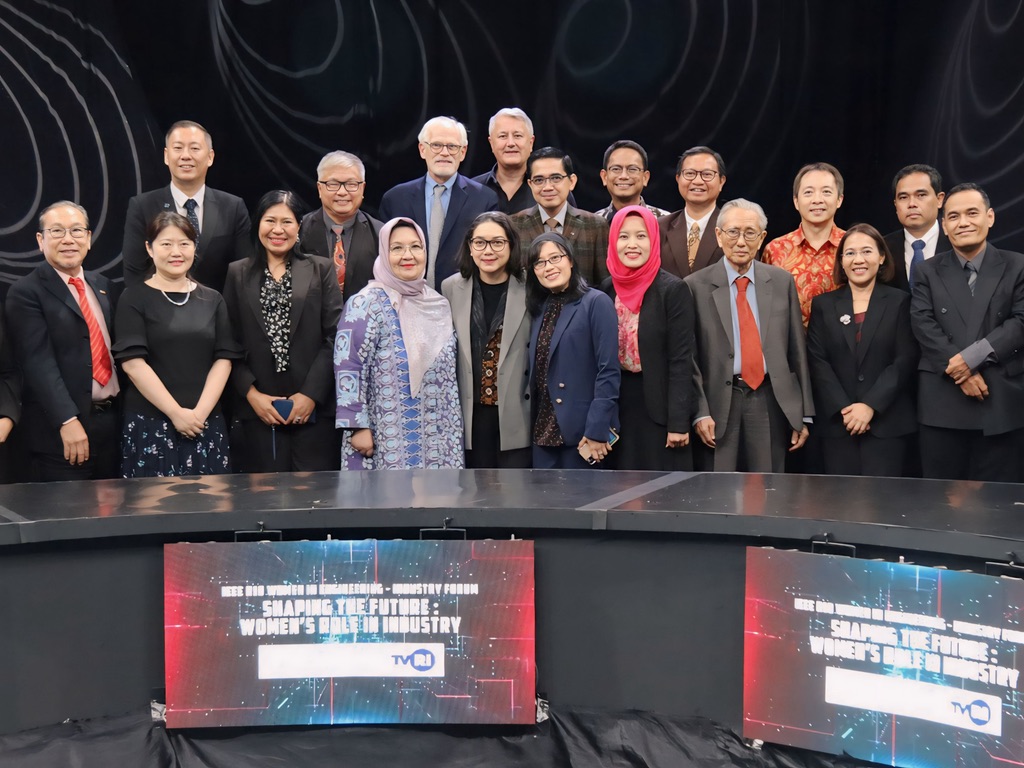
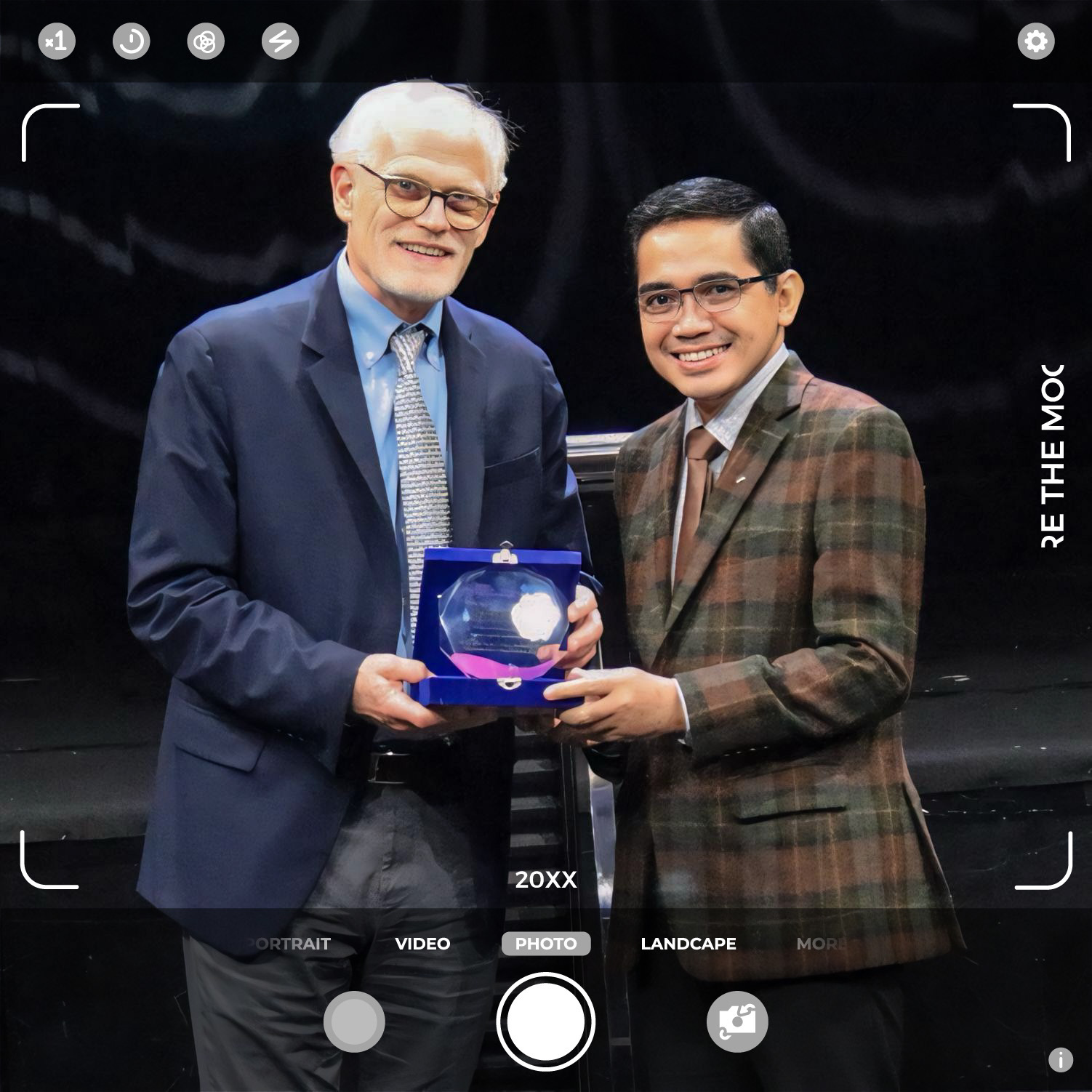
The IEEE President of 2024, Dr Tom Coughlin, paid a visit to Jakarta this week, accompanied by IEEE R10 Director Prof. Lance Fung, IEEE R10 Director-Elect Prof. Takako Hashimoto, IEEE R10 Women-in-Engineering Committee Chair Dr Agnes Irwanti, IEEE Malaysia Section Chair Dr Bernard Lim, and IEEE Indonesia Section Chair Prof. Gamantyo Hendrantoro. As part of the leadership activities, an IEEE briefing was held on the morning of May 14, followed by a talkshow broadcasted by TVRI.
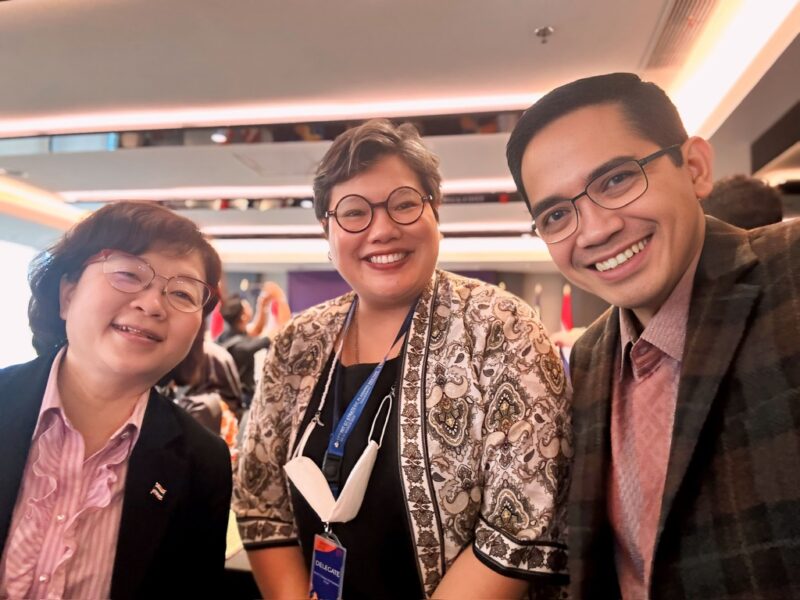
The theme of the talkshow was “Shaping the Future: Women’s Role in Industry” — featuring prominent leaders from the industry, university, government, and the IEEE organisation in the region. One of them is a dear old friend of mine, Elysabeth Damayanti, the OVP of Cybersecurity at Telkom Indonesia. The talkshow started with an opening speech by Dr Agnes, and some keynote speeches from Ms Mira Tayyiba as the General Secretary of the MCI, and Dr Laksana Tri Handoko as the Head of BRIN — the Indonesian governmental centre for research.
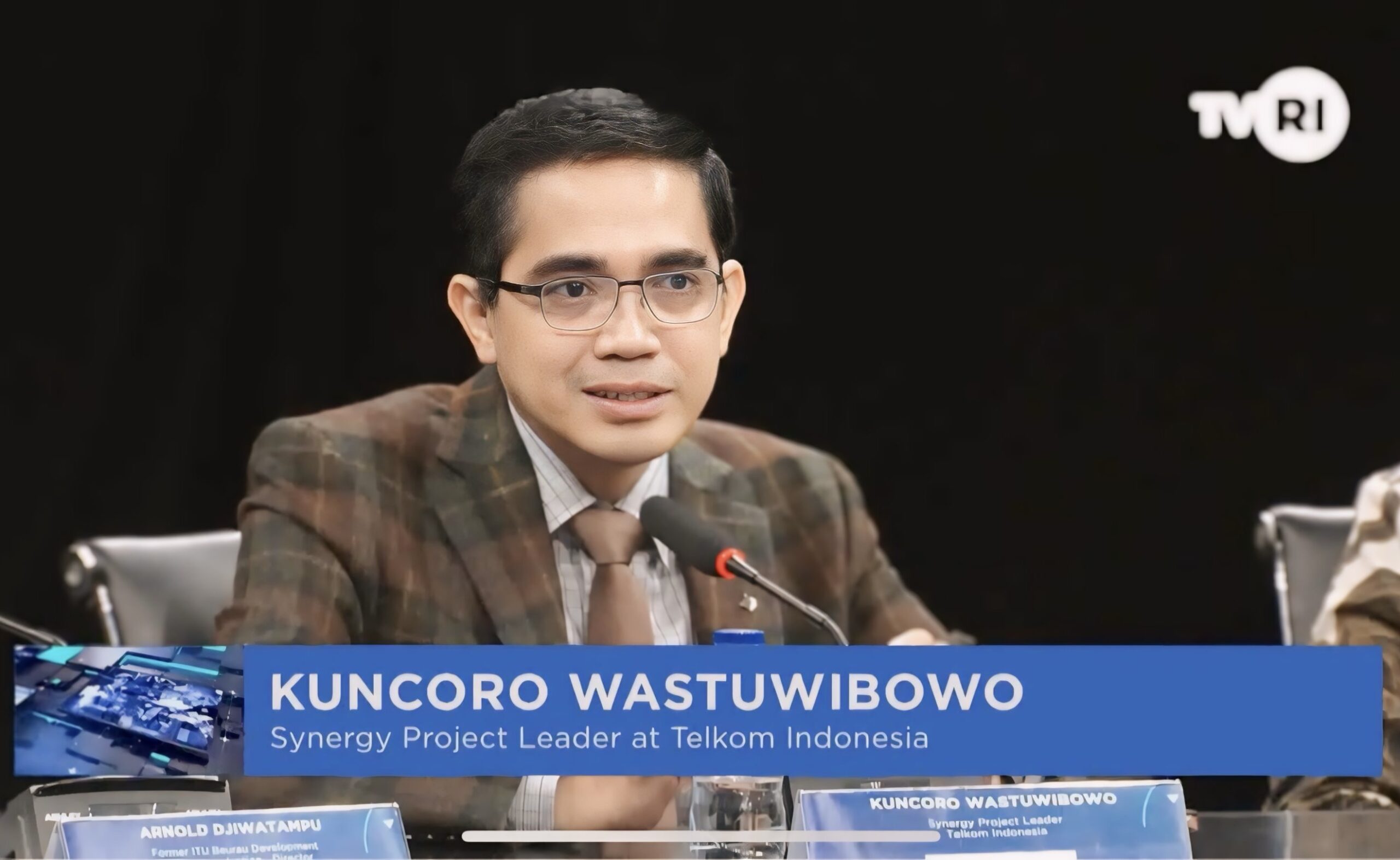
As one of the speaker of the talkshow, I started by mentioning the implications of Complexity Science: that we always recognise the diversity of the systems we are working on, where different fields, agents, participants, are all interconnected, resulting in emergence: new values, greater values, surprising values. It is how the Internet and our digital world proliferates, and how both natural ecosystems and business ecosystems sustain. This perspective naturally supports the idea of inclusivity, as different agents from various demographic groups are considered crucial for the survivability and innovativeness of all the systems we are living in, including, surely and crucially, the role of women. It is a key reason to reduce and close the gender disparity.
The WEF has released the 2023 Global Gender Gap Report, mentioning Indonesia in rank 87th out of 146 countries in gender gap. Low enough, but still ahead of some developed countries in Asia, including Japan, China, and South Korea. Indonesian score was about 68% of the gender gap closed — including the relatively low gap in health quality, medium gap in economic participation, and high gap in political empowerment.
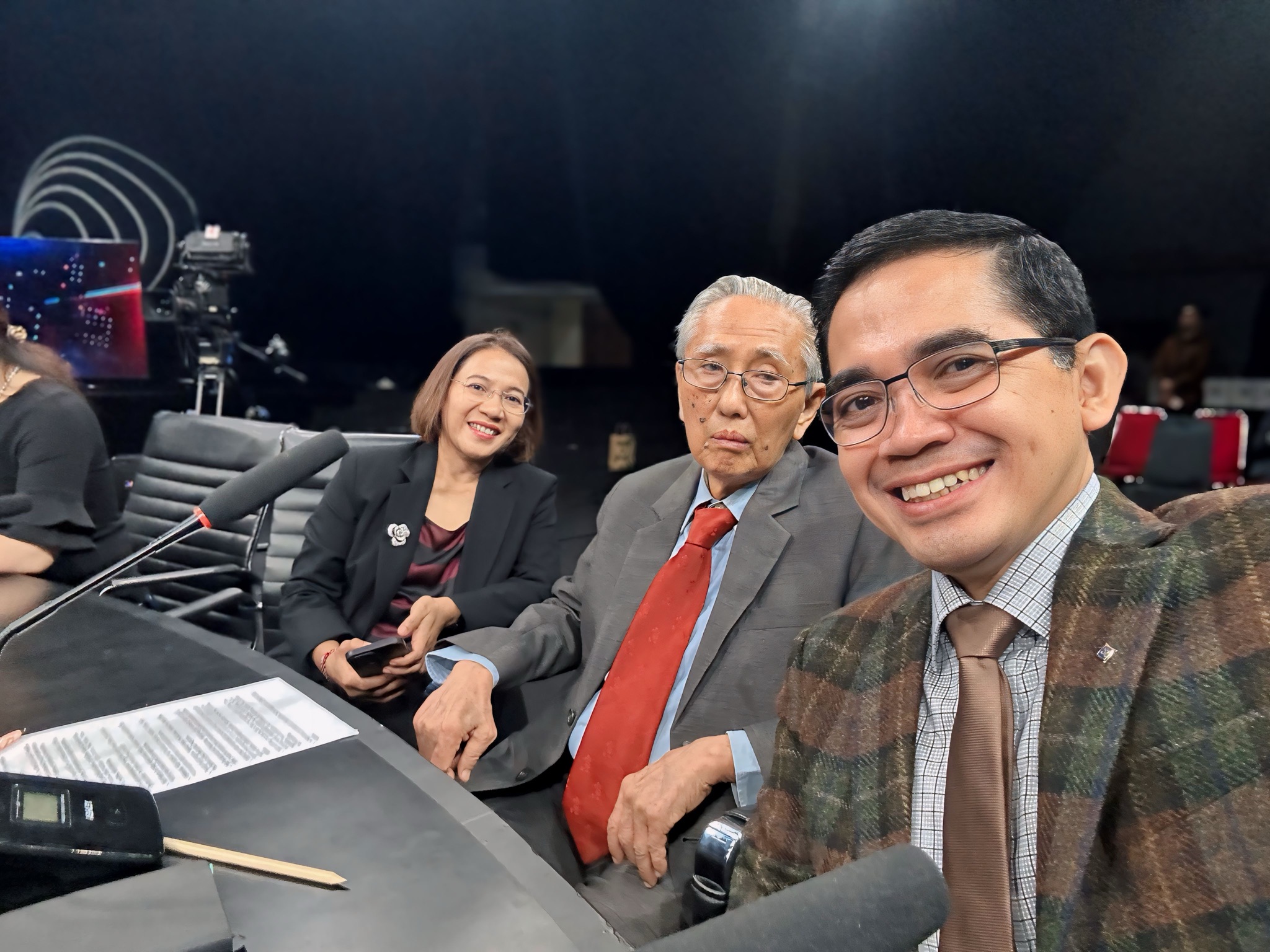
We believe that digital transformation that we are developing now, could and should plunge down the disparity. Currently we carry out the digital transformation in strategic & business level to alleviate the economy of the people from the eastern part to the western part of Indonesia; by developing platform, making some piloting implementation with the government, national industry, and then expand it. We work to to enhance MSME business, agriculture, industry, educations, etc, even to remote islands in Indonesia. It is evident, that digital platforms have provided women and men quite equally with wider access to knowledge, services, market & business opportunities. But the transformation must be carefully-planned and deployed with proper education.
Digitalisation in work processes allow us to provide better empowerment for women. It may bypass many social challenges, encouraging women to reduce the unfortunate judgement that are still existing from the traditional norms. Business transformation allow better inclusions in workplaces and business in general. It is also an opportunity for women to aggregate their commitment, capabilities, and opportunities. Use digital services to maximise collaborations, to work in partnership, to be brave take the leadership of the community, to lead the change, and to support each other both in personal level, organisational level, and cross -industry ecosystem.
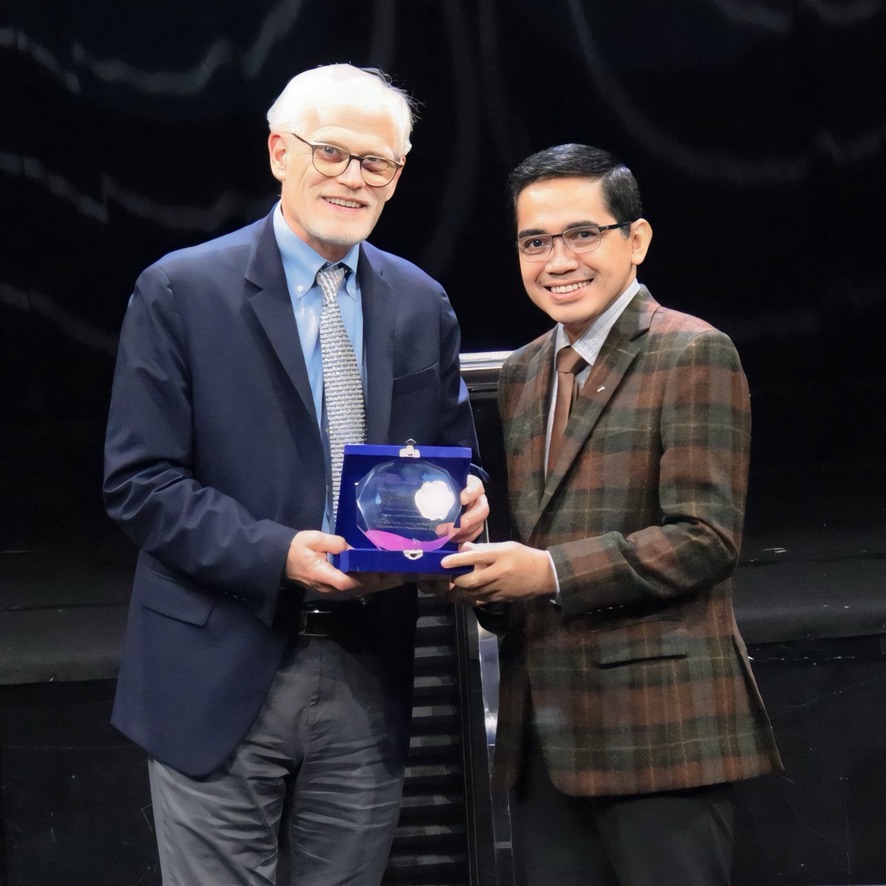
That is the one of the key. Another key is diversity & uniqueness. So, women should keep their own identity, personality, and mindsets, to preserve different perspectives & values; while opening their mindset to new cultures, different ways of think.
I spent the rest of the time to listen from the honorary speakers of this event. It is one of the most valuable day for me this year, to learn a lot from the wisdoms presented today. Hopefully the IEEE Indonesia Section will continue this valuable activities more and more in the future.
Peran utama IEEE dalam memajukan pengembangan ilmu pengetahuan dan teknologi global tidak dapat disangkal. Namun, di luar kalangan ilmuwan dan insinyur, peran IEEE ini belum banyak dipahami masyarakat. Asyiknya, sejak kepemimpinan Prof. Gamantyo Hendrantoro dan Dr. Agnes Irwanti di IEEE Indonesia Section, publikasi atas diskursus IEEE telah lebih banyak disebarluaskan ke masyarakat umum. Selama dua tahun berturut-turut, IEEE Indonesia telah menghadirkan Presiden IEEE ke Indonesia, menampilkan diskusi yang disiarkan di televisi untuk meningkatkan minat masyarakat Indonesia.
IEEE President 2024, Dr. Tom Coughlin, mengunjungi Jakarta minggu ini, didampingi oleh IEEE R10 Director Prof. Lance Fung, IEEE R10 Director-Elect Prof. Takako Hashimoto, IEEE R10 Women-in-Engineering Committee Chair Dr. Agnes Irwanti, IEEE Malaysia Section Chair Dr. Bernard Lim, dan IEEE Indonesia Section Chair Prof. Gamantyo Hendrantoro. Sebagai bagian dari kegiatan ini, pada tanggal 14 Mei diselenggarakan IEEE briefing, diikuti dengan talkshow yang disiarkan oleh TVRI.
Tema talkshow adalah “Membentuk Masa Depan: Peran Wanita dalam Industri” — menampilkan para pemimpin terkemuka dari industri, universitas, pemerintah, dan organisasi IEEE di kawasan ini. Salah satunya sohib lamaku, Elysabeth Damayanti, OVP Cybersecurity Telkom Indonesia. Talkshow dimulai dengan pembukaan oleh Dr. Agnes, dan beberapa key speeches dari Bu Mira Tayyiba sebagai Sekjen Kementerian Komunikasi dan Informatika, dan Dr. Laksana Tri Handoko sebagai Kepala BRIN.
Sebagai salah satu pembicara, aku mulai dengan menyebutkan implikasi Complexity Science: bahwa kita selalu mengakui keragaman pada sistem yang kita rancang, dengan bidang ilmu, agen, pemeran, dll yang sangat berbeda namun saling terhubung, dan menghasilkan emergence: hal baru, nilai baru, keunggulan baru, serta hal-hal yang tak teramalkan. Inilah cara Internet dan dunia digital kita berkembang, dan inilah cara ekosistem alam dan ekosistem bisnis bekerja. Perspektif ini mendorong inklusivitas, karena peran yang berbeda dari berbagai kelompok demografis dianggap penting untuk kelangsungan hidup dan inovasi semua sistem yang kita jalani, termasuk peran wanita. Ini adalah alasan utama untuk menurunkan kesenjangan gender.
WEF menebitkan Laporan Kesenjangan Gender Global 2023, yang menempatkan Indonesia di peringkat ke-87 dari 146 negara dalam hal kesenjangan gender. Cukup rendah, tetapi masih di depan beberapa negara maju di Asia, termasuk Jepang, Cina, dan Korea Selatan. Skor Indonesia sekitar 68% dalam hal pengurangan kesenjangan gender — termasuk kesenjangan yang cukup rendah dalam kualitas kesehatan, kesenjangan sedang dalam partisipasi ekonomi, dan kesenjangan tinggi dalam pemberdayaan politik.
Kita yakin bahwa transformasi digital — yang sedang kita kembangkan bersama — dapat digunakan menurunkan kesenjangan tersebut. Saat ini kita mengembangkan transformasi digital di tingkat strategis & bisnis untuk meningkatkan ekonomi masyarakat dari bagian timur hingga barat Indonesia; dengan mengembangkan platform, mengimplementasikan percontohan dengan pemerintah, industri nasional, dan kemudian mengembangkannya. Kita bekerja untuk meningkatkan bisnis UMKM, pertanian, industri, pendidikan, dll, bahkan ke pulau-pulau terpencil di Indonesia. Terbukti, bahwa platform digital telah memberikan akses yang lebih luas kepada semua jenis kelamin secara cukup setara terhadap informasi dan pengetahuan, layanan, peluang pasar & bisnis. Namun, transformasi harus direncanakan dan dilaksanakan dengan hati-hati, disertai upaya pendidikan yang memadai.
Digitalisasi dalam proses kerja memungkinkan kita memberikan pemberdayaan yang lebih baik bagi perempuan. Ini dapat melewati banyak tantangan sosial, mendorong perempuan untuk mengurangi dampak penilaian negatif yang masih ada dari norma-norma tradisional. Transformasi bisnis memungkinkan inklusi yang lebih baik di tempat kerja dan bisnis pada umumnya. Ini juga merupakan peluang bagi perempuan untuk menggabungkan komitmen, kemampuan, dan peluang mereka. Gunakan layanan digital untuk memaksimalkan kolaborasi, bekerja dalam kemitraan, berani memimpin komunitas, memimpin perubahan, dan saling mendukung baik pada tingkat pribadi, tingkat organisasi, maupun ekosistem lintas industri.
Itulah salah satu kuncinya. Kunci lainnya adalah keragaman & keunikan. Perempuan harus menjaga identitas, kepribadian, dan pola pikir mereka sendiri, untuk mempertahankan perspektif & nilai yang berbeda; sambil membuka pikiran mereka terhadap budaya baru, cara berpikir yang berbeda.
Masih banyak waktu kemudian untuk mendengarkan para pembicara super-keren dalam acara ini. Ini salah satu hari paling berhargaku tahun ini: belajar banyak kebijaksanaan. Mudah-mudahan IEEE Indonesia Section terus melanjutkan kegiatan berharga ini lebih banyak lagi di masa depan.
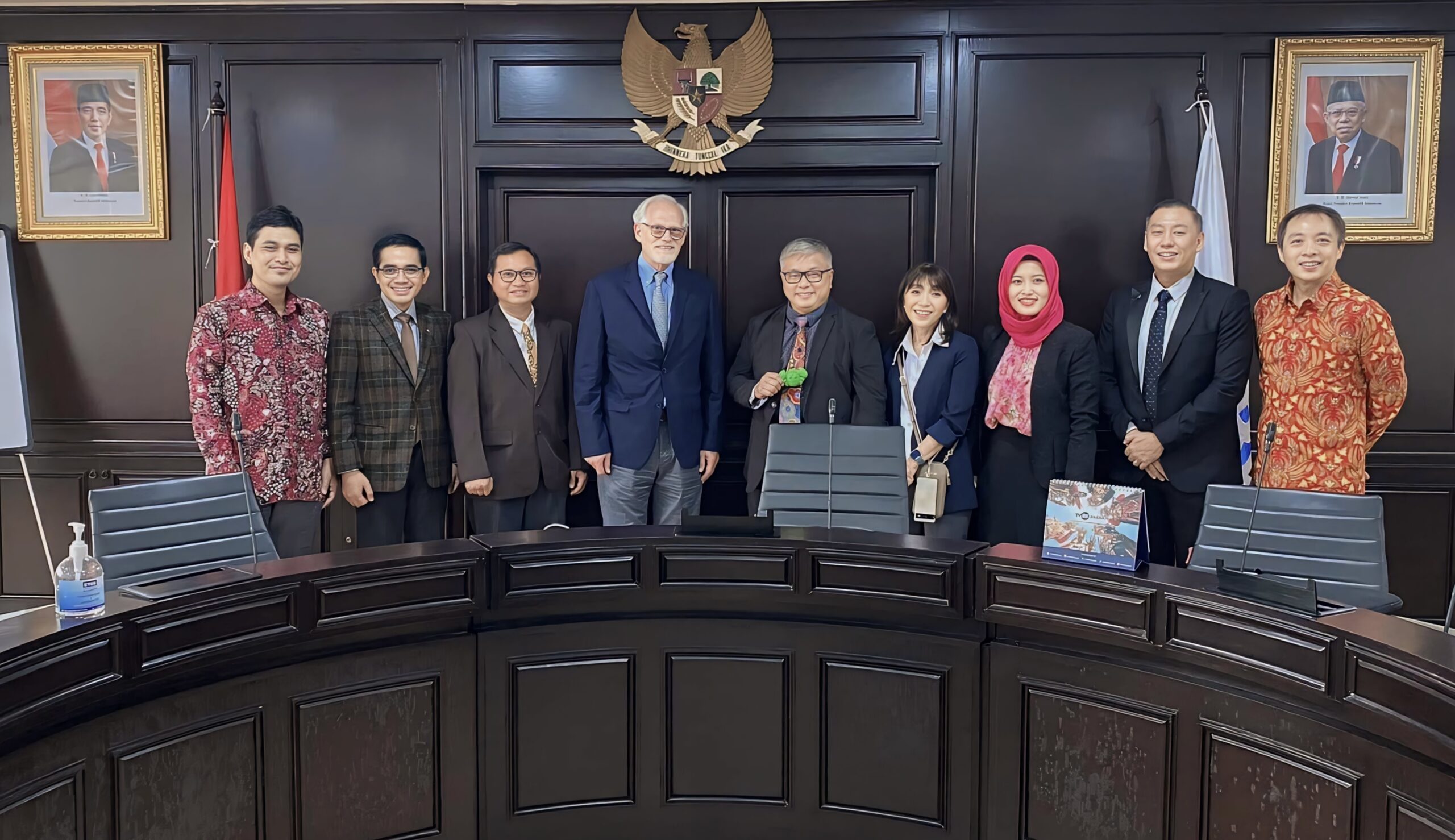
IEEE Briefing was led by the IEEE President of 2024, Dr Tom Coughlin, while he paid a visit to Jakarta this week, accompanied by IEEE R10 Director Prof. Lance Fung, IEEE R10 Director-Elect Prof. Takako Hashimoto, IEEE R10 Women-in-Engineering Committee Chair Dr Agnes Irwanti, IEEE Malaysia Section Chair Dr Bernard Lim, and IEEE Indonesia Section Chair Prof. Gamantyo Hendrantoro. As part of the leadership activities, this IEEE briefing was held on the morning of May 14, followed by a talkshow broadcasted by TVRI.
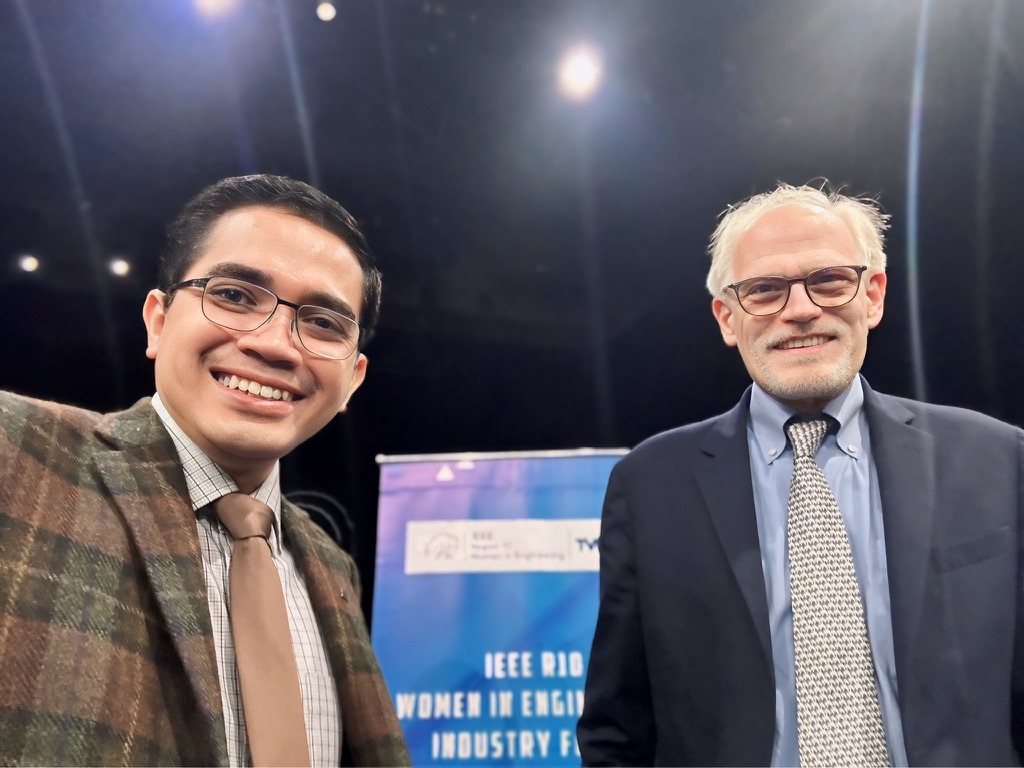
For anyone with common sense, siding with Palestine is something too obvious and unquestionable. For humanity, for justice, for freedom.
After about 90 minutes sleeping tonight, I suddenly woke up, and decided to talk to Chat GPT about dream. Here are the copy of our interaction, with no modification or any kind of editing (except the heading sign to see the difference between my question and AI’s response)
Scientifically, a dream is a series of thoughts, images, and sensations occurring in a person’s mind during sleep. Dreams mainly occur during the rapid-eye movement (REM) stage of sleep, where brain activity is high and resembles that of being awake. During REM sleep, the brain undergoes increased neuronal activity, and the body experiences a temporary paralysis of most voluntary muscles, which is thought to prevent the dreamer from acting out their dreams.
The exact functions of dreaming, however, are still a topic of research and debate among scientists. Some prevailing theories include:
These explanations are not mutually exclusive and may all contribute to the reasons why we dream. Each theory offers a different perspective on the importance of dreams to cognitive, emotional, and psychological functioning.
Here is an image depicting a surreal dream scene, with elements often associated with vivid dreams.

Reading in dreams can be challenging because the part of the brain responsible for reading and text processing is less active during sleep. Specifically, the regions involved in language processing and interpretation, like the angular gyrus and other parts of the temporal and frontal lobes, may not be as engaged during the rapid eye movement (REM) stage of sleep, when most vivid dreams occur.
Moreover, dreams are primarily driven by visual and emotional experiences rather than logical narratives or detailed tasks like reading. The content of dreams is often spontaneous and fluid, making fixed and detailed tasks like reading difficult. The text in dreams might appear blurred, constantly changing, or nonsensical because the brain does not focus on maintaining stable, readable text but rather on creating dynamic and often symbolic visual scenes.
So, when you try to read in a dream, the text may shift, change, or remain illegible because the dream is not maintaining the stability needed for reading as it would occur when you are awake.
Here is an image depicting a dreamlike vision of an opening book with blurred and shifting text, capturing the mystical and surreal quality often experienced in dreams.

Dreams can indeed be a source of creative problem-solving and insights, a phenomenon that many people have experienced. This occurs for several reasons:
Historically, there are famous instances of scientific and artistic breakthroughs occurring in dreams. For example, chemist Dmitri Mendeleev famously dreamt the arrangement of the periodic table, and Elias Howe figured out the mechanism of the sewing machine needle in a dream. These examples highlight how the relaxed and unique state of dreaming can contribute to creative and problem-solving processes.
Here is an image depicting a surreal artistic representation of multiple people’s faces blurred and merging together, capturing the dreamy and mysterious quality of how faces can appear in dreams.

It’s rare, but possible, for people to speak or understand languages in their dreams that they don’t fluently speak in waking life. This phenomenon usually involves languages that the dreamer has been exposed to at some point, even if they haven’t fully learned or mastered them. Here are a few scenarios where this might happen:
However, speaking a completely unknown language fluently in a dream—without any prior exposure—is highly unlikely and not supported by scientific evidence. Dreams might make it feel like one is fluently speaking another language, but this perception is more about the dream’s narrative and emotional impact than actual linguistic competency.
Dream symbolism is a fascinating aspect of how our subconscious minds communicate deeper thoughts, emotions, and desires. Symbolic meanings in dreams can vary widely based on cultural, personal, and situational contexts. Here are some common symbolic uses and examples in dreams:
Dreams can serve as a mirror reflecting our inner thoughts, worries, and joys. Interpreting these symbols can offer insights into one’s emotional and psychological state, helping to understand hidden feelings and unresolved issues. The personal meaning of symbols can vary, and exploring these in the context of one’s own life can be particularly revealing.
The experience of dreaming in color versus black and white has intrigued both scientists and psychologists. Here are some key points that can help explain the differences in how people perceive colors in their dreams:
Overall, whether someone dreams in color or black and white can depend on a mix of historical, neurological, and psychological factors, and personal memory of the dream upon waking.
Dreams can vary widely in how memorable they are or whether they recur, and several factors influence this:
Understanding why some dreams are remembered while others are forgotten involves looking at how dreams are processed and stored in memory, as well as individual differences in emotional and cognitive responses. These factors together influence the vividness, recurrence, and recall of dreams.
When you experience a comforting dream involving someone with whom you’ve had unresolved issues or conflicts, several psychological processes are at play, contributing to the feeling of resolution and emotional relief:
In summary, these dreams where you interact positively with individuals who have caused you stress can act as an internal coping mechanism, providing comfort, emotional release, and sometimes a new way to frame real-life relationships and past interactions. This internal resolution can significantly impact your emotional well-being and day-to-day life.
Yes, there are several methods that can help induce specific types of dreams or enhance dream recall, which in turn can contribute to reducing emotional or health tension. These methods focus on influencing the content and quality of your dreams, potentially making them more positive or helpful in processing emotional issues. Here are some techniques to consider:
These techniques are not only useful for trying to direct the content of dreams but also serve as excellent practices for improving overall sleep quality and emotional well-being.
There is evidence suggesting that overall happiness and emotional well-being can influence the nature of dreams, including the frequency and intensity of bad dreams or nightmares.
While individual experiences can vary widely, overall emotional well-being, including happiness, does seem to influence dream patterns. If you rarely experience bad dreams, it could indeed be a reflection of your general happiness or your ability to effectively manage and forget negative experiences in your dreams.
The idea of an AI “dreaming” can be intriguing, but it’s important to clarify what is meant by “dreaming” in this context. In biological organisms, dreams are a product of the brain’s complex neurological activity during sleep, serving various cognitive and emotional functions. AI, however, does not sleep, nor does it have a brain in the biological sense, so it does not dream in the way humans do.
However, there are AI processes that might be metaphorically described as “dreaming”:
These activities are sometimes metaphorically described as “dreaming” because they involve the AI system processing or reimagining information in creative or unexpected ways. However, this is fundamentally different from the biological processes of dreaming in humans, which are tied to consciousness, subconscious processing, and neurobiological functions of the brain during sleep.

//Finished
When I started the chat, I did not plan it to be that long; and just abour 5-10 minutes after the last response, I decided that I need it to be recorded somewhere for my future reference, i.e. in by blog.

Taqabbalallahu minna wa minkum, taqabbal yaa kariim. As the crescent heralds the arrival of Eid’l Fitr, may the day bring us the great victory in our endeavour, the triumph of our spiritual renewal, and deep contemplation and gratitudes. Eid Mubarak.
As a part of Synergy team of Telkom Group, sometimes we are requested to facilitate meetings between or among SOEs. This week we got involved in a meeting between the Vice CEO of BRI (Catur Budi Harto), IT Director of BRI (Arga Mahanana Nugraha), Group Business Development Director of Telkom (Honesti Basyir), and CEO of Admedika (Dwi Sulistiani) as one of the subsidiary of Telkom. BRI & Telkom are two of the greatest SOE in Indonesia with strong roles & commitments to enhance ecosystem-based national economy through transformations in technology and business: BRI as the top bank in Indonesia, and Telkom surely as the top telco in Indonesia.
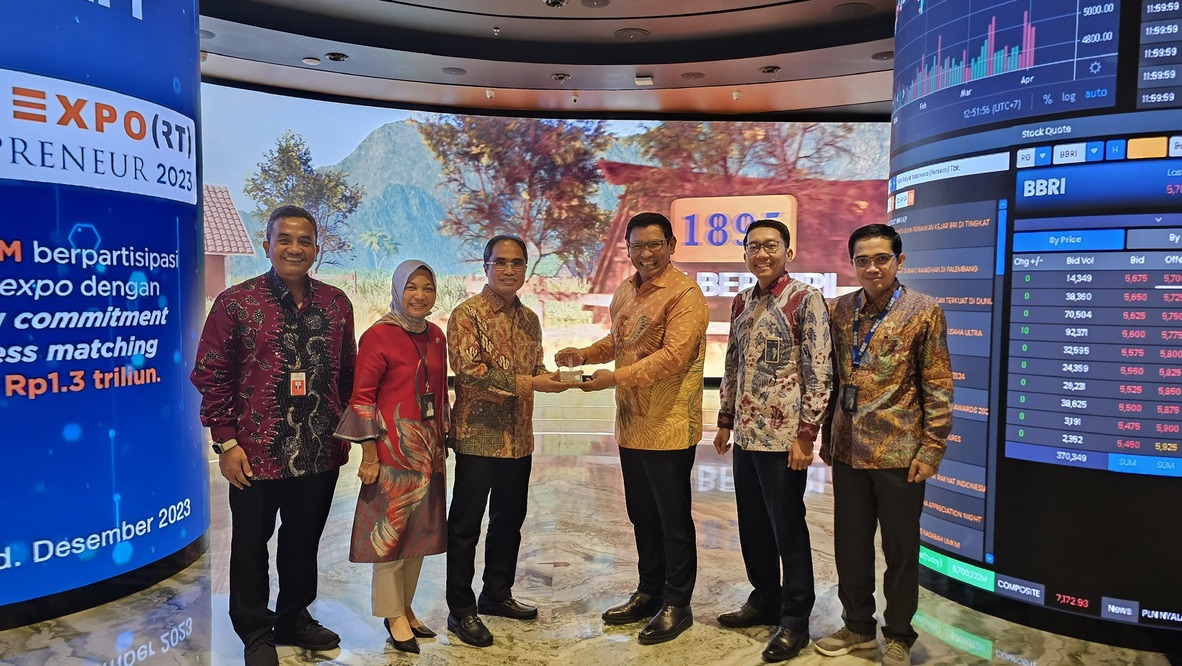
Streamlining among SOEs business developments is always necessary, including technological aspects. As a commitment, BRI will cease its satellite initiatives and return instead to use Telkom satellites (or other providers in compliance to regulatory and business norms). Alignments in the use of data centres are under consideration too. National economic development programs will be managed in alignment with competencies and business. An establishment of BRI-Pegadaian-PNM holding to grow MSME and ultra-micro economy is a good example for that, as well as other holdings and strategic alliances among SOEs. Doors for cross investment could also be opened, for example in healthcare ecosystem.
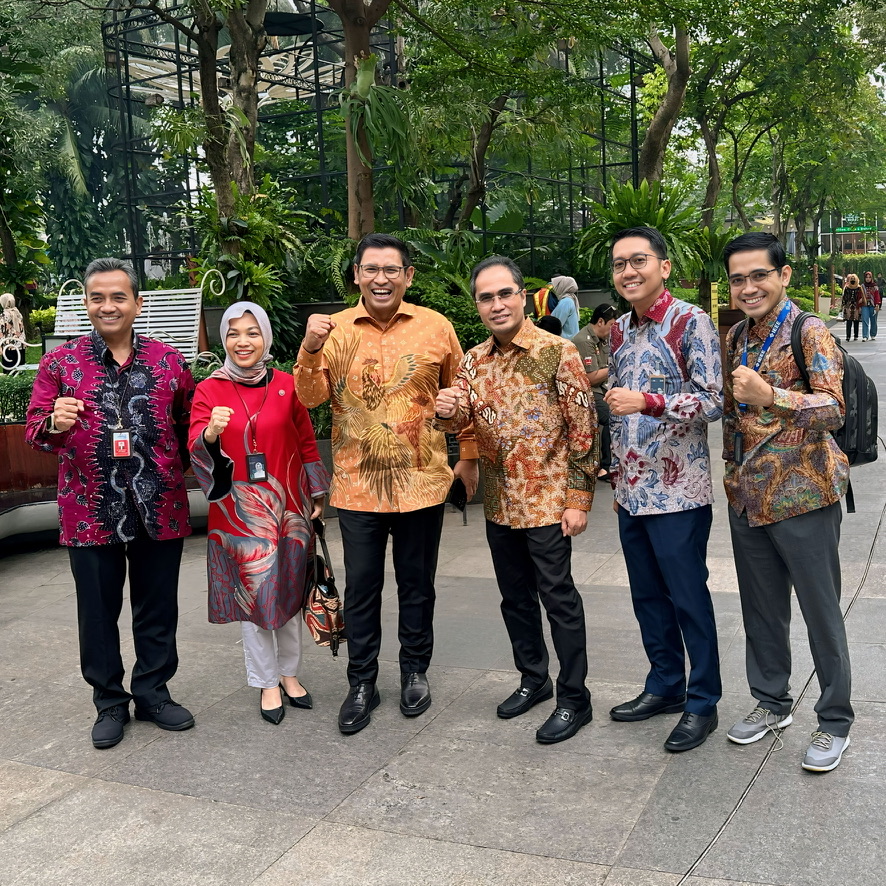
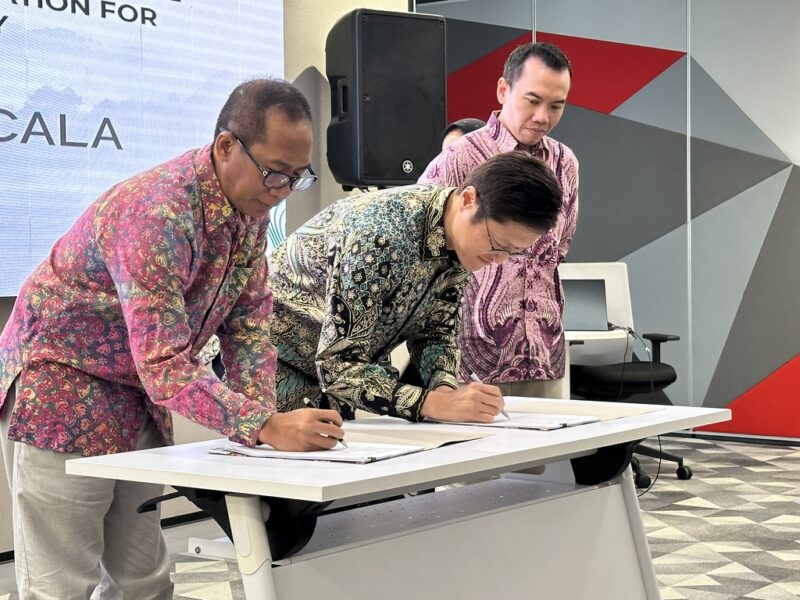
Agricultural transformation is a great technological and business opportunities with huge challenges and risks, requiring strategic-level collaboration or alliance in aggregating the capabilities, resources, while sharing the business risks that may occur.
Scala, a Japanese digital enterprise aiming to enhance the prosperity of mankind through digital technology development, has requested since last year to be the strategic partner of Telkom Indonesia in developing digital platform-based agricultural business transformation. We have spent months — days and nights — to discuss the aspects of technology development, business arrangement, ecosystem empowerment, etc for this strategic alliance preparation. Today, 1 April 2024, the representative of Scala BOD has signed the Agreement with EVP of Telkom’s Digital Business & Technology.
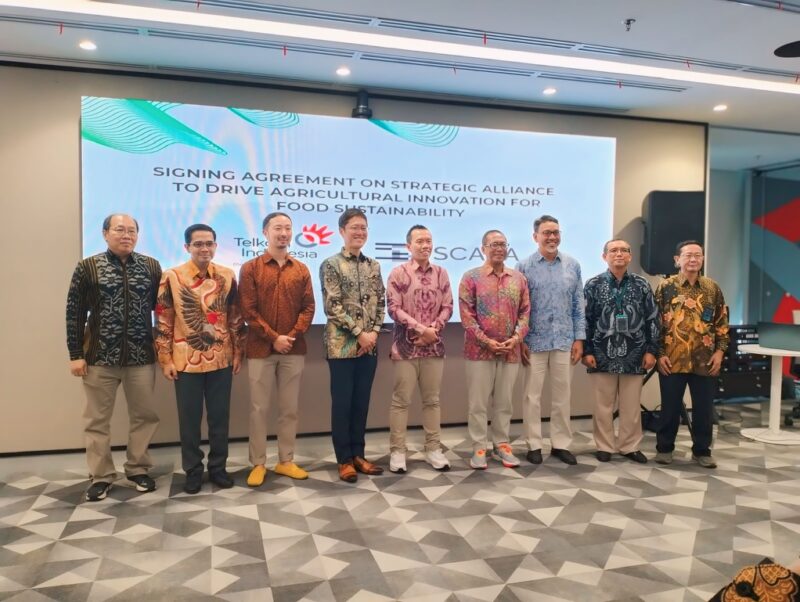
After the signing, we will follow up the agreement with some piloting (also in Leadership Transformation called the quick-wins) as a foundation for the collaborative transformation framework. We’ll see in the next months.
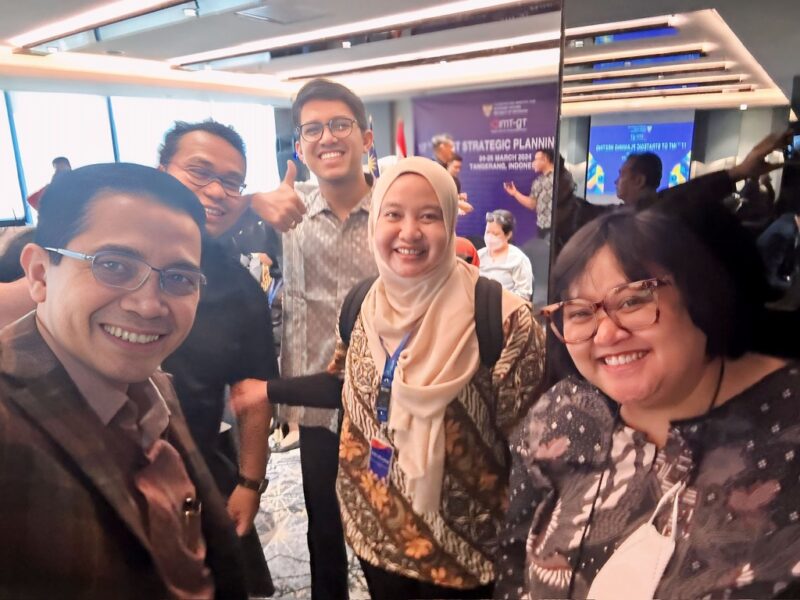
IMT-GT SPM (Strategic Planning Meeting) 2024 is currently carried out in Jakarta, 23–25 March 2024. Leveraging regional economy through digital transformation and ecosystem-based strategy is still the main theme of the discussion. Representing Telkom Indonesia, we put our focus on cross-border MSME products transaction and delivery, expecting to design a pilot with different treatment in custom, logistics, and payment policies & best-practices, to be replicated wider after its initial piloting success.
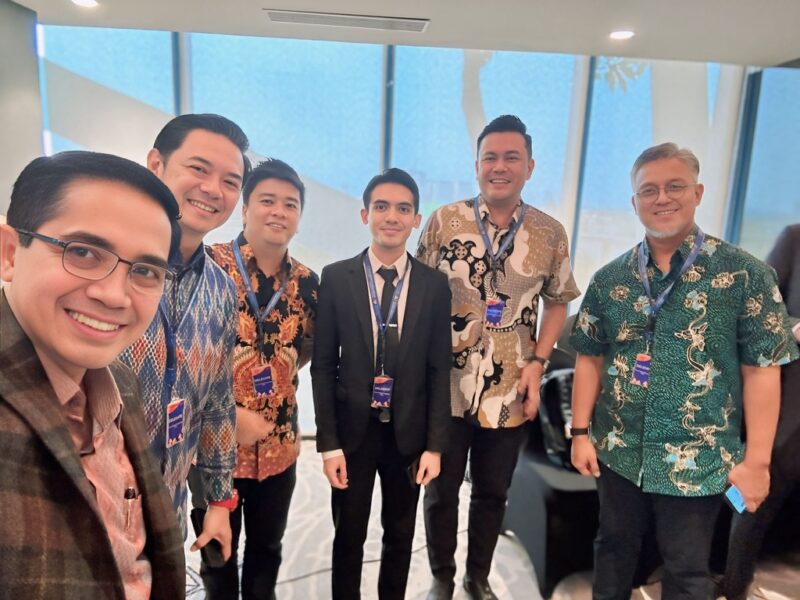
Some pictures after the meeting on Sunday afernoon: