Padi UMKM

When I first designed what later became Padi UMKM, I did not do it in a boardroom. I did it at home, during long months of WFH in the middle of the Covid-19 pandemic. I drew the system on papers spread on the floor. At that time, my head was full of ideas about ecosystems, complexity theory, and complexity economics. I was not thinking about building another digital platform. I was thinking about how economic coordination itself breaks down under systemic shock, and how new coordination patterns might emerge when old ones collapse. In that sense, Padi UMKM was born less from a product mindset than from an ecosystem mindset, with complexity theory consciously in the background.
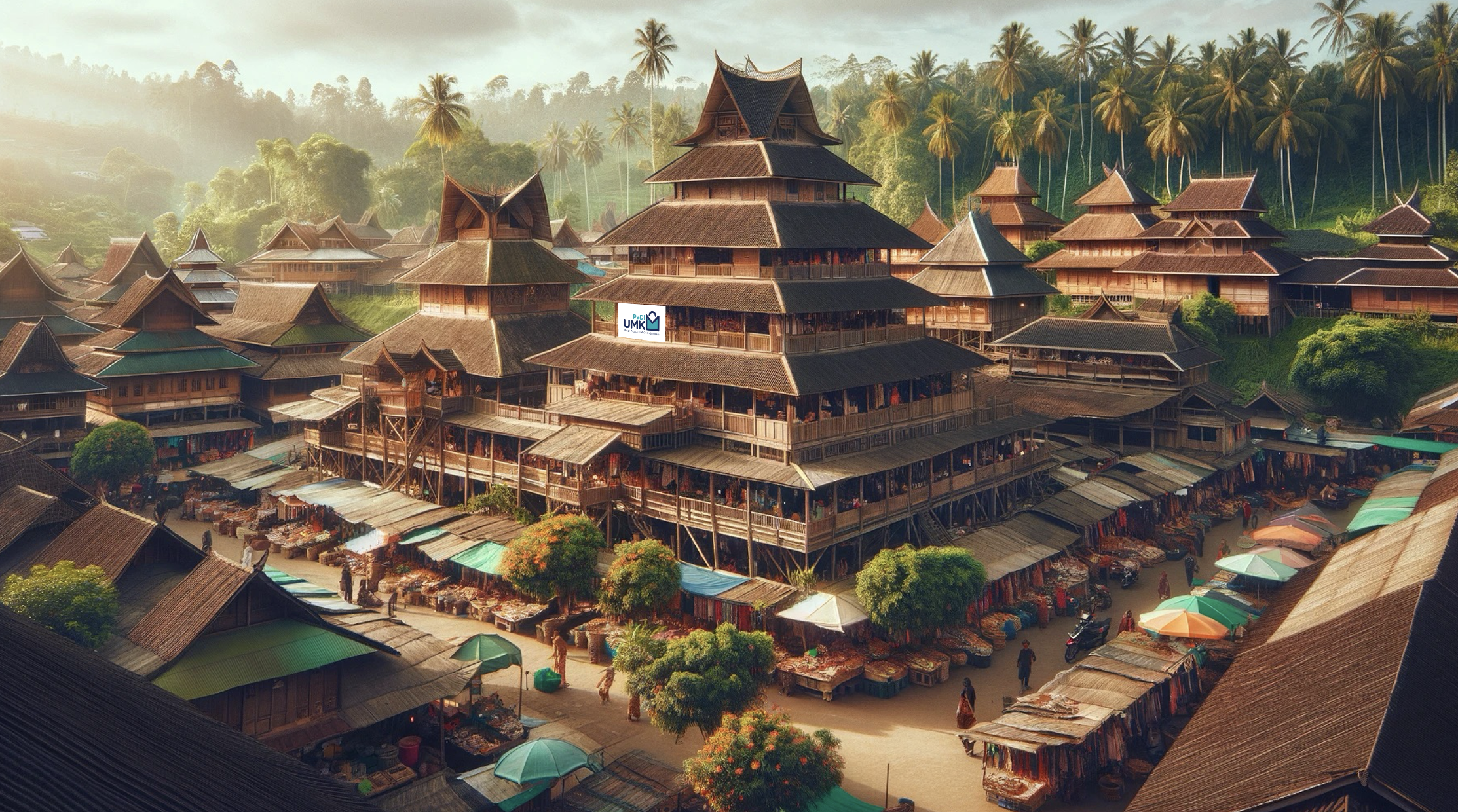
When the pandemic hit, what collapsed was not only the economy. What collapsed was the coordination logic of the economy. Supply chains broke, demand evaporated, SMEs lost access to markets, and institutions discovered that their standard operating procedures were designed for stability, not for systemic disruption. Many organisations reacted by accelerating digital projects, launching platforms, and optimising internal processes. That helped, but it did not address the deeper problem. The economic ecosystem itself had lost its organising structure. Actors that were rational in isolation could no longer produce coherent outcomes collectively. This is how complex systems behave under stress: when established coordination patterns fail, local rationality no longer aggregates into systemic order.

Padi UMKM did not start as a brilliant digital product idea. It started as a response to a coordination failure across a fragmented system of SOEs, SMEs, banks, regulators, ministries, and development agencies. All were acting with good intentions, yet through incompatible logics, timelines, and mandates. The system was not short of initiatives; it was short of coherence. In complexity terms, the economy had been pushed far from equilibrium, and the challenge was not optimisation but reorganisation. What was needed was not another tool, but a new pattern of interaction among heterogeneous agents.

The real innovation of Padi UMKM was therefore not the platform. The platform was the easy part. The digital workforce of Telkom Group can design platforms; that is an operational capability. The platform was necessary, and it became the core infrastructure of the ecosystem, but it was not the breakthrough. The breakthrough was the deliberate redefinition of roles within the economic system. SOEs must reposition their procurement operation into a capability of creating new market, i.e. an SME-based market structure. SMEs were not framed as beneficiaries of aid, but as economic agents that could be structurally integrated into formal procurement and value creation. Banks and financial institutions were not treated merely as lenders, but as part of an enabling architecture that combined financing with capability development and pathways to export. What changed was not a feature set. What changed was the pattern of interaction between economic actors.

The formal launching of Padi UMKM itself was not initiated by Telkom or by the Ministry of SOEs. It was planned within the nationwide BBI (Bangga Buatan Indonesia) program, because the central government needed a real, executable instrument to accelerate domestic economic circulation under crisis. Telkom showed a commitment to develop the platform, even though it was still imperfect at that time. The urgency was national, not corporate. This matters, because it positioned Padi UMKM from the beginning not as a corporate product launch, but as a systemic intervention embedded in a national recovery narrative. The early external promotion of Padi UMKM, beyond the internal SOE environment, was also driven by the BBI program. Over time, almost by systemic selection rather than by design, Padi UMKM became the de facto e-commerce infrastructure for BBI, as other platforms could not fit the specific institutional and ecosystemic roles required by the program.

From the beginning, we made a counterintuitive choice in the way the system was governed. Telkom deliberately limited its role to being the product and platform owner. The ecosystem itself was not branded as Telkom’s program. The community was symbolically owned by the Ministry of SOEs and by SOEs collectively. Even the name Padi UMKM did not originate from Telkom. This was not a political compromise; it was a strategic design choice grounded in complexity thinking. In complex systems, ecosystems tend to collapse when one actor over-claims ownership. When the platform owner also claims to own the ecosystem, other actors reduce their commitment, hedge their participation, or quietly resist. By stepping back from symbolic ownership, Telkom created space for other institutions to step forward. The platform provided the infrastructure, but the legitimacy of the ecosystem was deliberately distributed across actors.

At some point, something structurally interesting happened. The initiative crossed a threshold where no single actor could kill it anymore. The CEO of Telkom could not simply shut it down because the ecosystem had become institutionally embedded beyond Telkom. The Minister of SOEs could not dismantle it easily because it had become part of the official narrative of national economic recovery. The President could not disown it because it had been publicly positioned as a success story through BBI, PEN, and related programs. This was not political theatre. This was the moment when the system acquired path dependence. Once an initiative becomes embedded across multiple layers of institutional narrative and governance, it ceases to be a project and becomes part of the system itself. At that point, you are no longer managing a prograe. You are dealing with a living economic structure.

Value in Padi UMKM did not come from transactions alone. It emerged from the coupling of multiple layers of interaction. Transactions between SOEs and SMEs were reinforced by access to credit, by certification mechanisms that enabled formal participation, by development programmes that upgraded SME capabilities, and by pathways to export markets. None of these elements, on their own, would have been transformative. The transformation emerged from their interaction. This is how complex economies create value: not through linear pipelines, but through ecosystems in which different forms of capital, i.e. financial, institutional, social, and operational, reinforce one another over time.

Internally in Telkom, there was a structural separation of roles that proved critical. The Digital Business Directorate (DDB) operated at the product and business level. Its logic was operational: build, run, scale, monetise, and maintain the platform. Even as the platform owner and economic keystone, it remained only one agent within the broader ecosystem. In parallel, the Synergy Subdirectorate under the Strategic Portfolio Directorate worked at the ecosystem level. This role was not about features, roadmaps, or KPIs. It was about sensing emergent patterns of collaboration, mediating conflicts between institutions, and navigating collisions between policy signals and organisational incentives. In the early phase, the Synergy team also played a foundational role in organising cross-SOE agreements, preparing the multi-actor launch, embedding Padi UMKM within the BBI program, and connecting it with multiple SME build-up initiatives involving the Ministry of SMEs, the Ministry of Trade, and other institutions. This work was not linear project management; it was ecosystem orchestration under uncertainty.

In Indonesia’s context, the interaction between SOEs, SMEs, banks, and regulators is not merely complex; it is quasi-chaotic. Mandates overlap, incentives conflict, and policies evolve at different speeds and under different political pressures. In such an environment, precise prediction is an illusion. What becomes possible instead is navigation: sensing where constructive patterns of emergence are forming, dampening destructive feedback loops before they escalate, and shaping the boundaries within which the ecosystem evolves. This is not classical management. This is leadership under complexity.

As a result of its early success, there was a moment when the government, again through the BBI programme, asked to expand Padi UMKM to cover all government agencies (K/L/PD). On paper, this looked like success, with an enormous projected GMV. In reality, it carried a systemic risk. Full integration into the broader government procurement apparatus would have imposed rigid compliance structures and administrative constraints that could have frozen the adaptive dynamics that made the ecosystem work. The decision to return that expansion to LKPP, while positioning Telkom only as a platform provider for LKPP, was a deliberate choice to preserve modularity and flexibility over symbolic scale. In complex systems, scale without adaptability is not growth; it is fragility disguised as success.

What this experience ultimately taught us is uncomfortable for traditional management thinking. In complex economic ecosystems, you cannot engineer outcomes. You can only design conditions: boundaries, incentives, roles, and narratives that make constructive emergence more likely than destructive collapse. The platform mattered. The technology mattered. But what mattered more was the humility to accept that once an ecosystem becomes alive, you are no longer the architect standing outside the system. You are one of the agents operating within it.

The strategic lesson for C-level leadership is this. In times of systemic disruption, competitive advantage no longer lies primarily in having the most sophisticated product or the fastest execution. It lies in the capability to shape interaction spaces across institutions, sectors, and policy domains. Leadership shifts from control to stewardship. Strategy shifts from optimisation to navigation. And success is no longer measured only by ownership, but by whether the system you helped catalyse can survive, adapt, and continue to create value even when you step back.

That, ultimately, is what Padi UMKM represents. Not a digital product success story, but a case of how leadership, strategy, and technology can be recomposed to operate effectively in a complex, adaptive economy under crisis. It is an ecosystem in motion. It is Synergy in action.

Note: This is a copy of my post at Complexity Center [LINK] and an update of my initial story about Padi UMKM written 5 years ago [LINK].
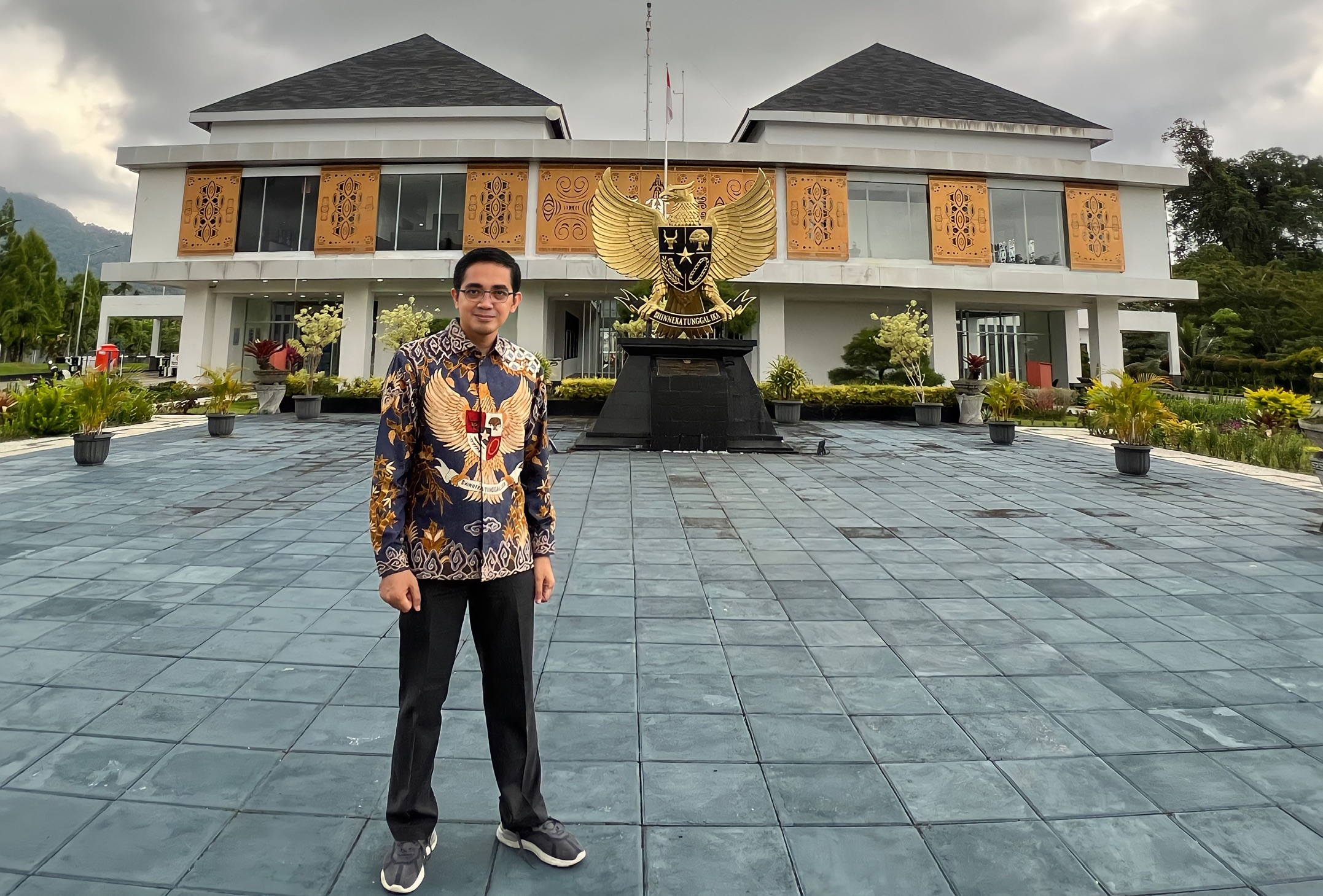
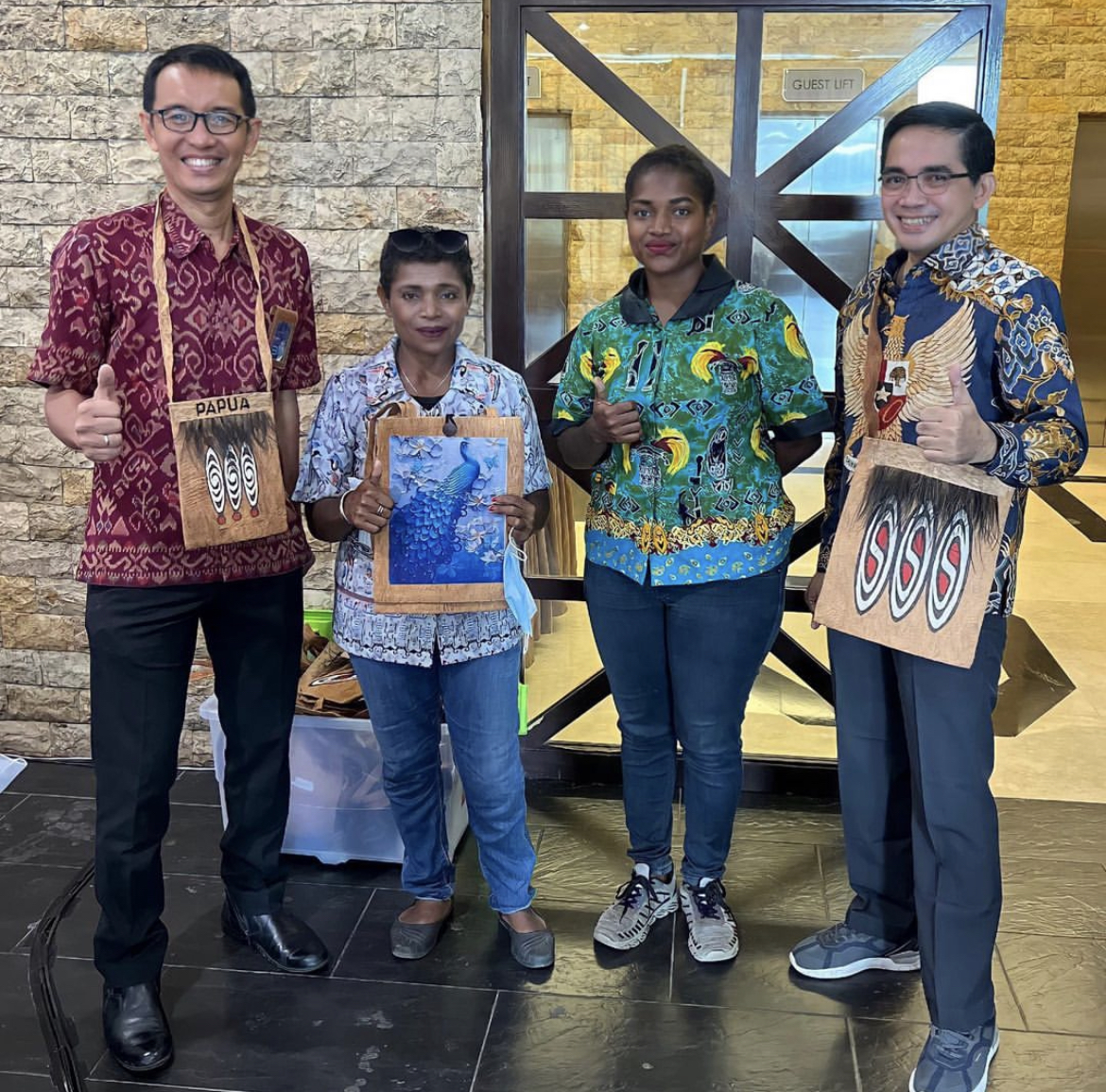
BBI Papua

Part 1: Context

Gerakan nasional Bangga Buatan Indonesia (Gernas BBI) edisi Agustus 2022 dilaksanakan di Provinsi Papua, dengan campaign manager Kemkominfo. Seperti tahun 2021 lalu, Kemkominfo menggelar aktivitas pembinaan UMKM sebelum menyelenggarakan acara perayaan (a.k.a. harvesting). Peran Telkom — selain tentu saja menyediakan infrastruktur, platform, dan layanan digital berkualitas terbaik di dunia (xixixi) — adalah membina para UMKM.
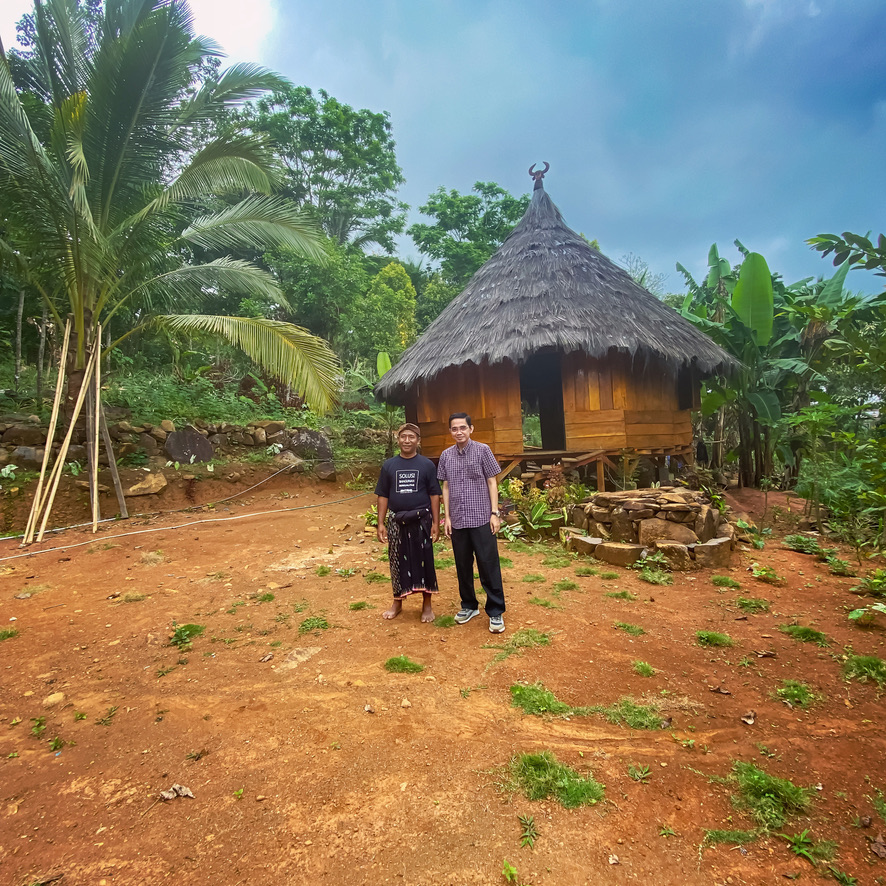
Ini tentu memang bagian dari strategi perusahaan untuk mengembangkan strategi bisnis berbasis ekosistem yang berfokus pada pengembangan ekonomi masyarakat, sesuai panggilan Clayton Christensen dalam The Prosperity Paradox.

Part 2: Kickoff

Kickoff dilaksanakan 14 Juli 2022. Team Telkom tiba di Jayapura 13 Juli 2022 dan mengawali kegiatan dengan koordinasi dengan BRI sebagai pengelola pembinaan UMKM Jayapura (via Rumah BUMN Jayapura). Kegiatan pembinaan telah berlangsung rutin, dan kami memastikan bahwa komersialisasi B2B melalui Padi UMKM telah dijalankan di Jayapura. UMKM binaan RB Jayapura ini diundang juga dalam kickoff BBI Papua.

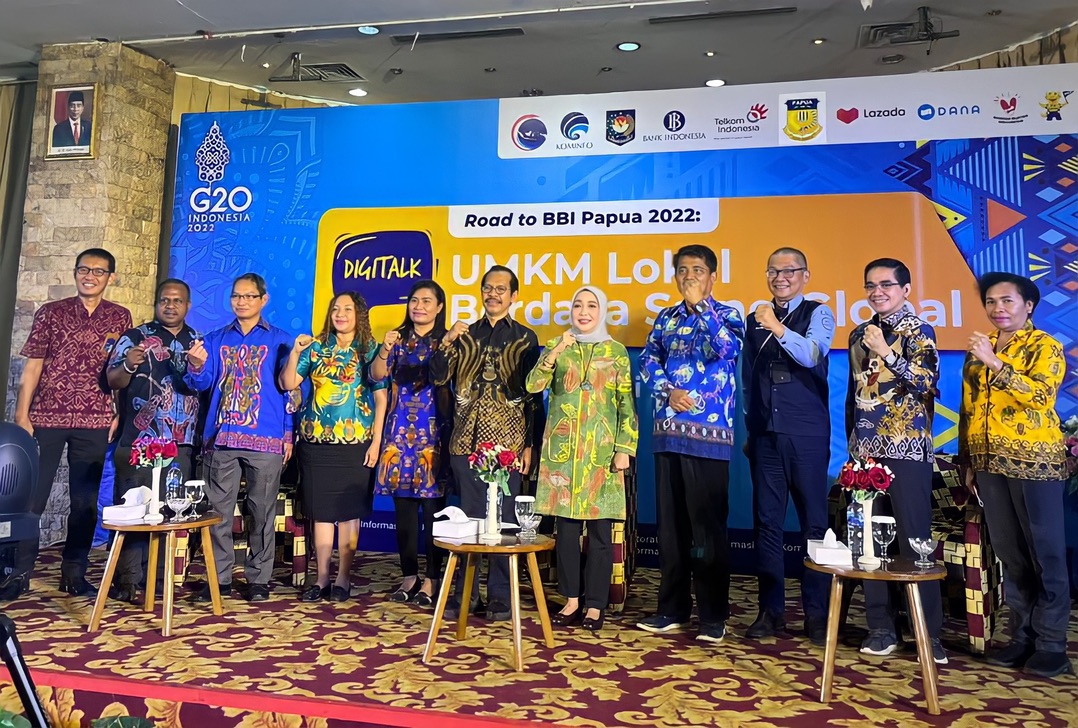
Kickoff dilaksanakan dalam bentuk digitalk yang menghadirkan PIC dari Kemkominfo, Telkom, dan Bank Indonesia (plus beberapa brand pendukung lain yang cuma hadir secara online). Hadir juga perwakilan UMKM dan komunitas pengembangan UMKM.

Part 3: Merauke

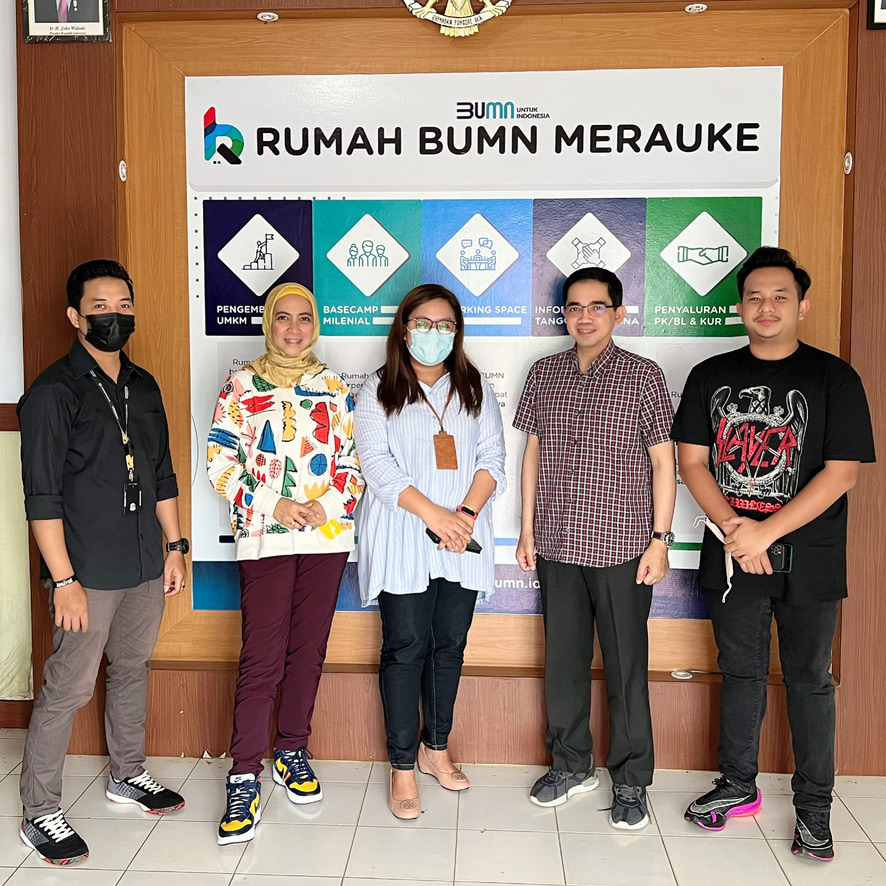
Kegiatan pembinaan UMKM berikutnya dilaksanakan di kota Merauke. Team Telkom mendarat di Merauke (dengan Garuda Jakarta–Jayapura–Merauke) pada 3 Agustus 2022. Kegiatan di hari itu meliputi kunjungan ke Rumah BUMN Merauke yang dikelola oleh Telkom.

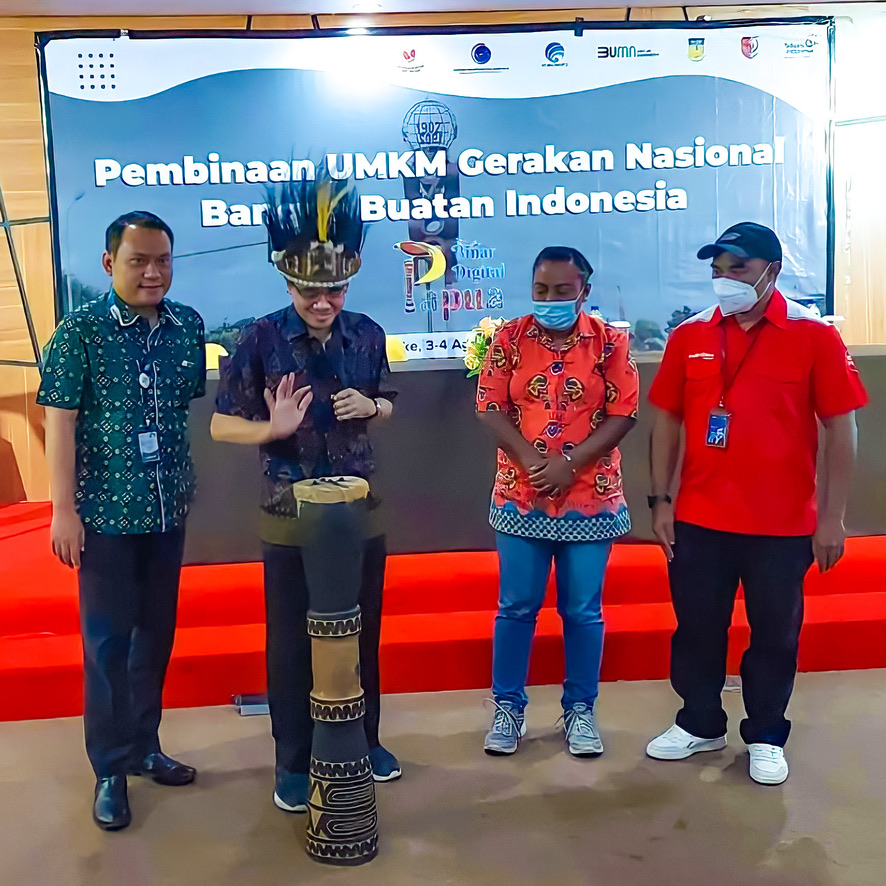
Kegiatan pelatihan digelar di Coreine Hotel, dengan konten komersialisasi dengan (sekaligus onboarding di) Padi UMKM, serta pendanaan UMKM yang menghadirkan Pimpinan Cabang Pegadaian Merauke. Kegiatan memakan waktu hampir sehari penuh karena minat yang tinggi dari para UMKM.

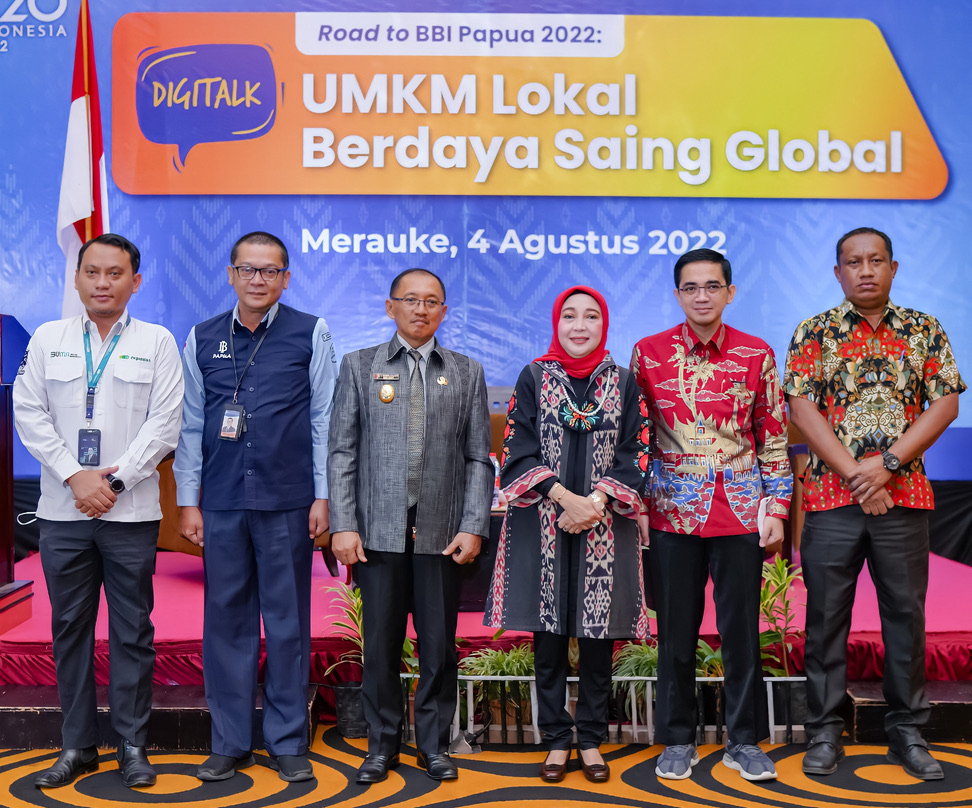
Kominfo juga menyelenggarakan Digitalk di Merauke yang menghadirkan Wakil Bupati Merauke, ditambah PIC dari Kemkominfo, Telkom, dan Bank Indonesia (plus beberapa brand pendukung lain yang cuma hadir secara online) — jadi semacam reuni.

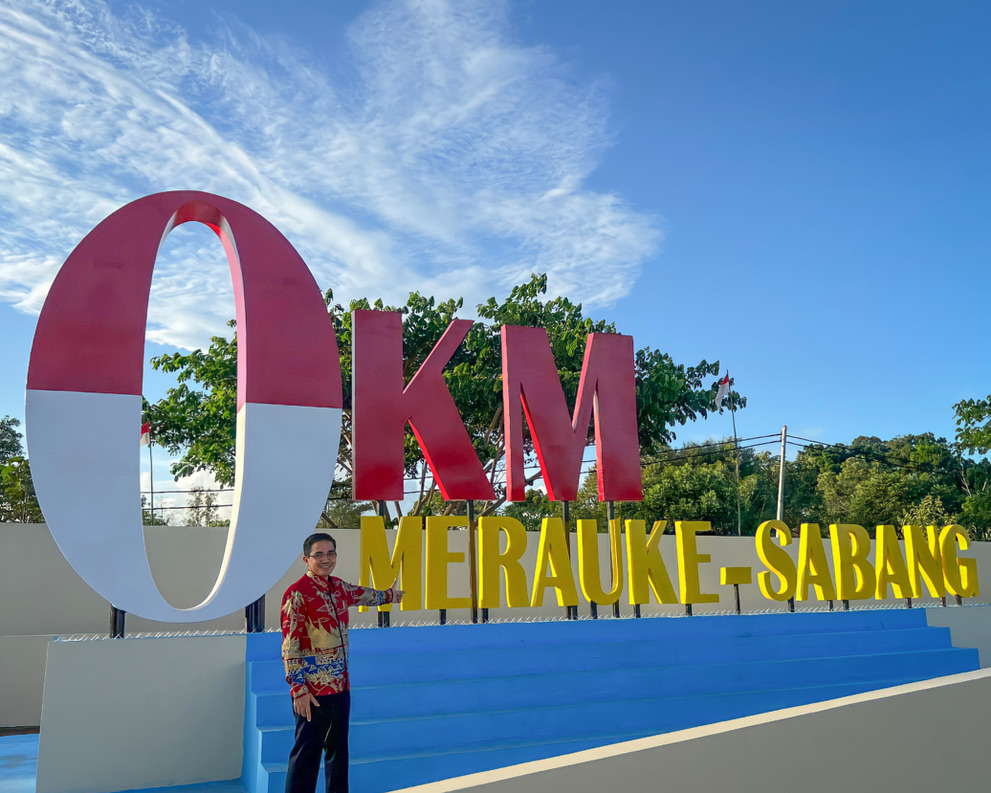
Usai Digitalk, kami menyempatkan diri meninjau perbatasan Indonesia dengan Papua Nugini: titik KM0 dari Merauke ke Sabang, kalau kita ikuti arah bumi berputar. Tempatnya di Sota.

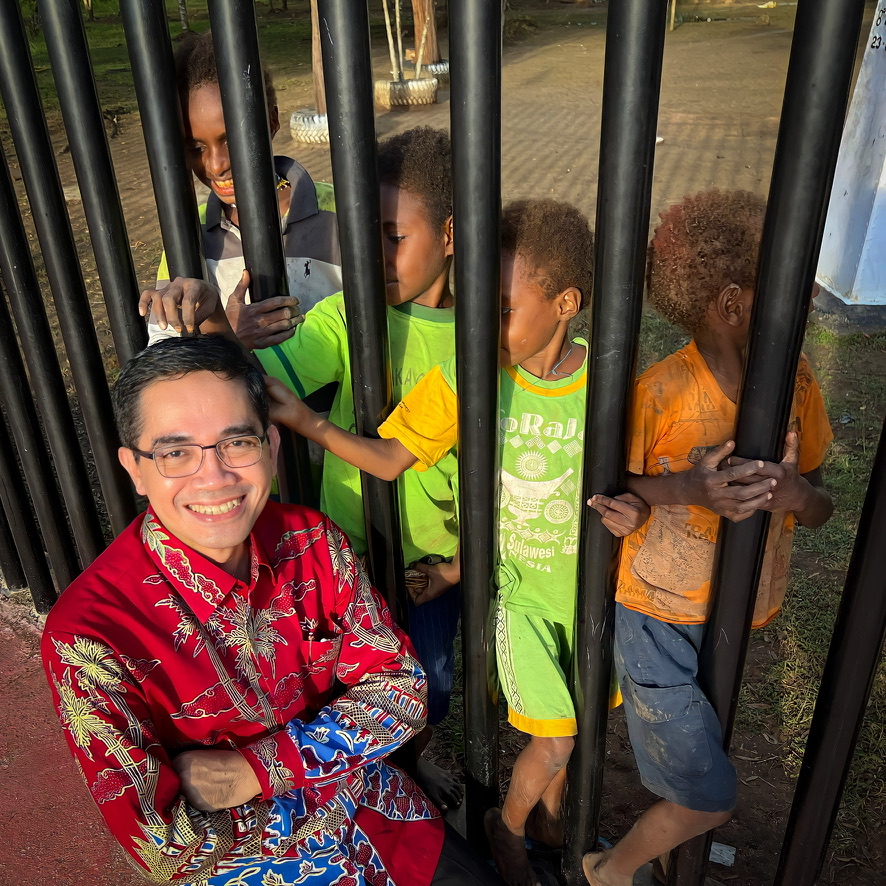
Sempat berbincang juga dengan beberapa warga Papua Nugini di balik pagar perbatasan. Anak-anak kecil PNG ini lucu-lucu tapi bandel. Gitu lah.

Part 4: Harvesting

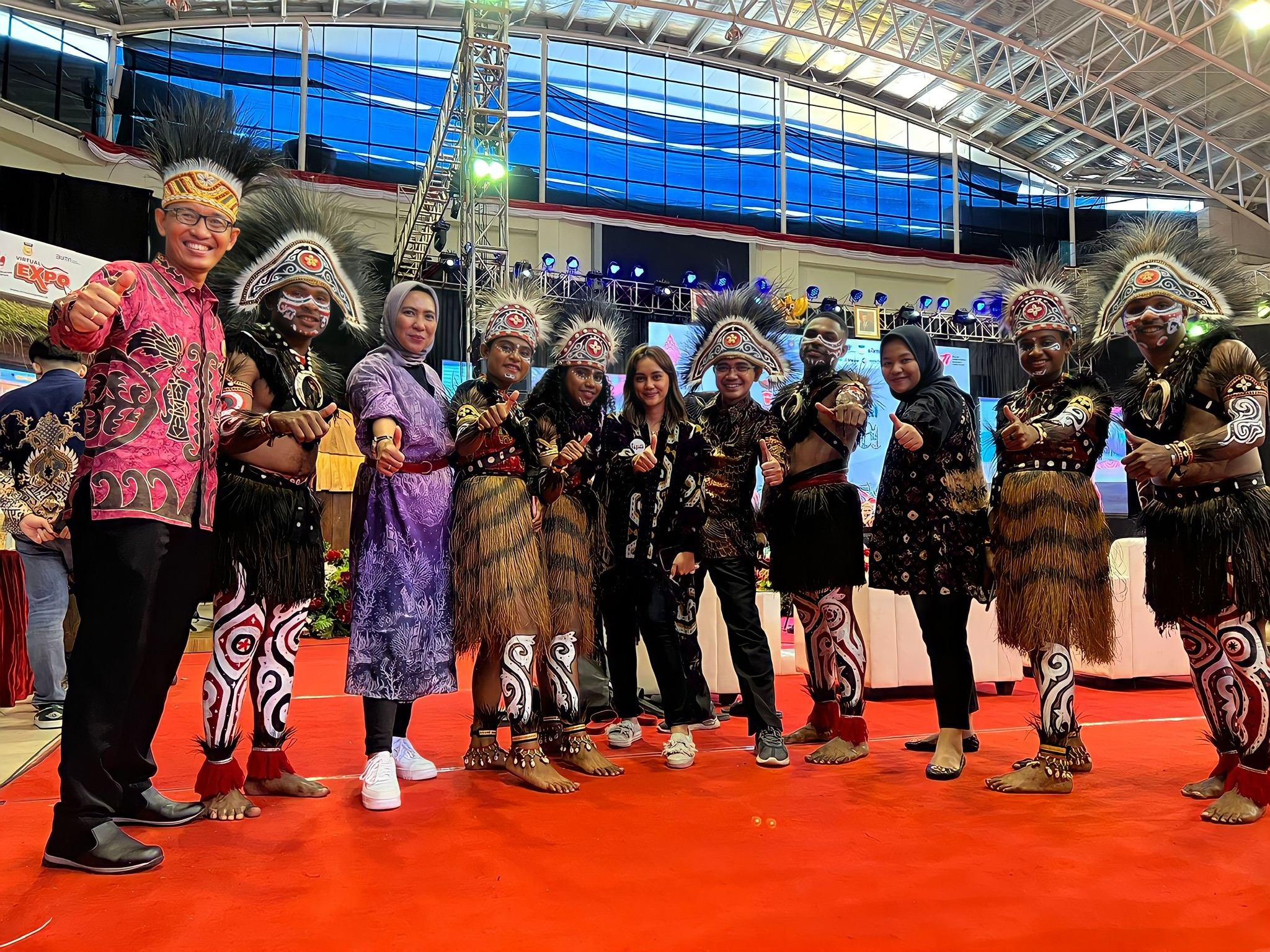
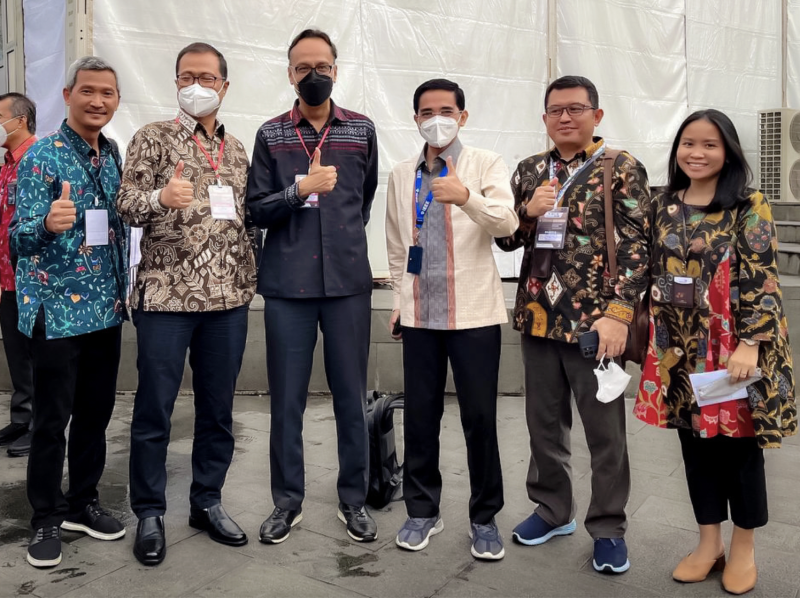
Acara puncak Gernas BBI Papua dilaksanakan tanggal 24 Agustus 2022. Dari Telkom, hadir GM Witel Papua (Pak Agus Widhiarsana) dan team dari RMU, Corcom, dan Synergy; serta tentu dari Telkomsel (GM: Pak Agus Sugiarto). Selain memastikan kelancaran kegiatan (incl infrastruktur) dan turut merayakan kolaborasi pembinaan UMKM, kami juga mengkampanyekan virtual expo.

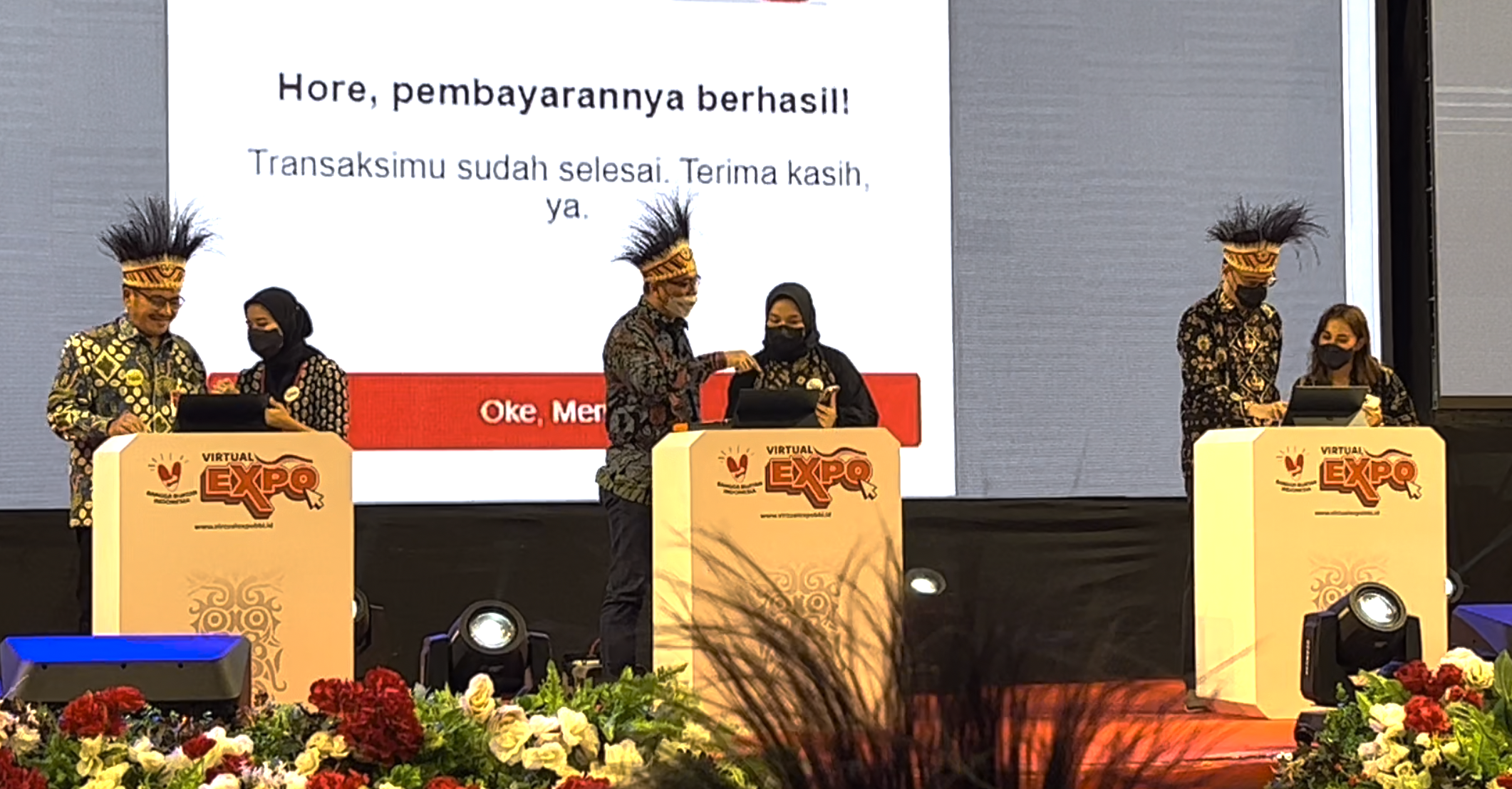
Pemerintah diwakili Kemkominfo (Deputi Koordinasi Parekraf Kemkomarves, Bapak Odo Manuhutu), Kemkominfo, Kemdagri, etc. Selain BI dan Telkom, brand pendukung lain kini hadir secara onsite juga. Demo virtual expo dilakukan oleh perwakilan dari kementerian-kementerian, dipandu PIC dari Telkom. UMKM yang hadir meliputi UMKM binaan Telkom dan komunitas pembina UMKM lain (incl BI, Pemprov, Pemkab, Dekranas etc).

Intinya, kegiatan-kegiatan di Papua ini sukses, berjalan dengan baik; dan tentu saja memerlukan komitmen, kapabilitas, dan kolaborasi untuk tindak lanjut secara kontinyu.

Lalu kita lanjutkan pekerjaan lain seraya menanti rembang petang saat matahari terbenam; di tepi Teluk Cendrawasih, Jayapura.

Ternate & Tidore

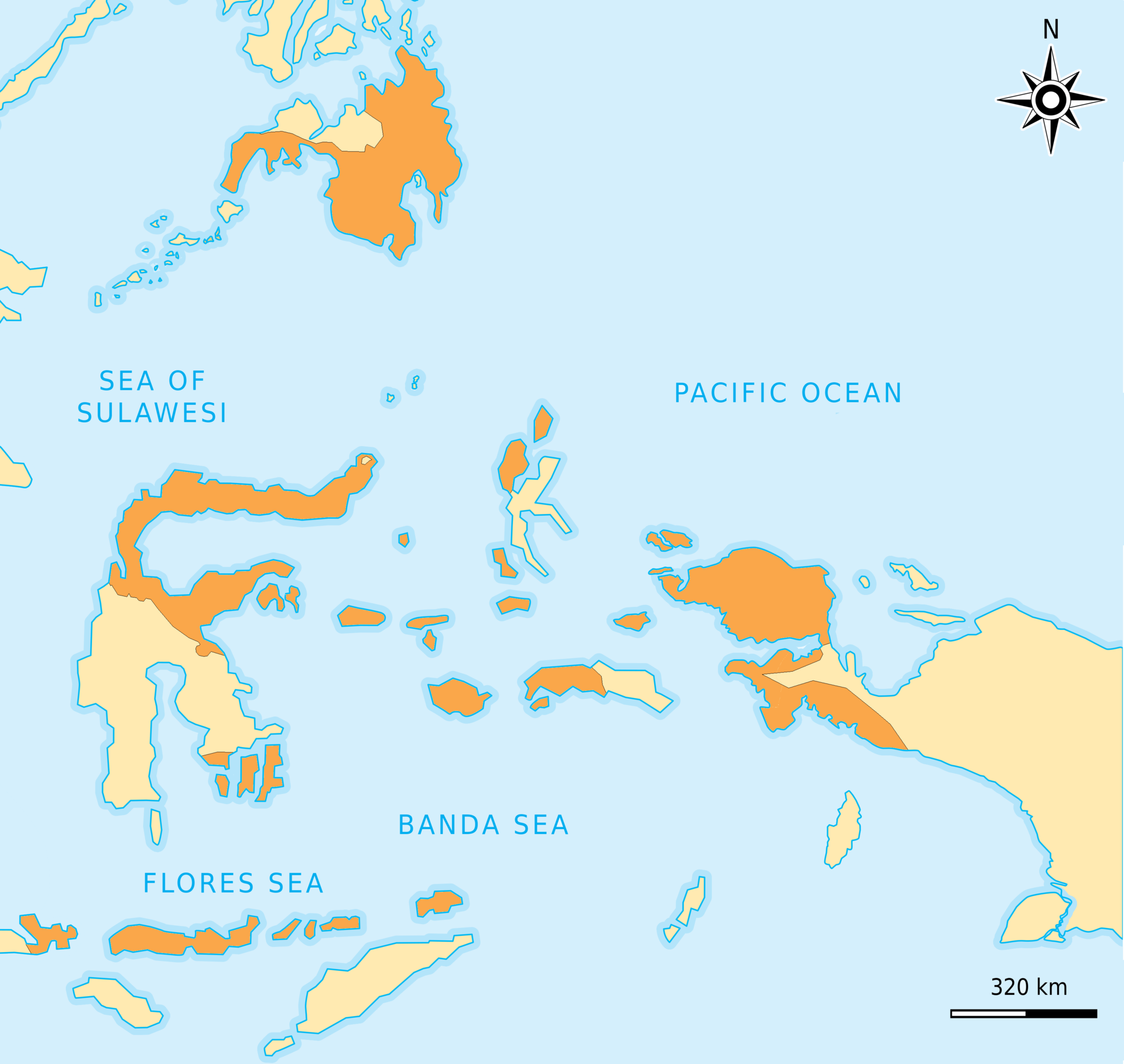
Kerajaan Ternate dan Tidore adalah bagian penting dari sejarah Indonesia. Dua kerajaan di dua pulau kecil di barat Pulau Halmahera ini memiliki kekuasaan di nyaris seluruh Indonesia Timur. Ternate menguasai hingga Mindanao, Sulawesi utara dan tenggara, Papua barat, Halmahera utara; sementara Tidore menguasai Halmahera selatan hingga Papua. Bersama Makian dan Moti, wilayah ini dikenal sebagai Moloku Kie Raha (Persatuan Empat Kerajaan) yang kemudian disebut Maluku.

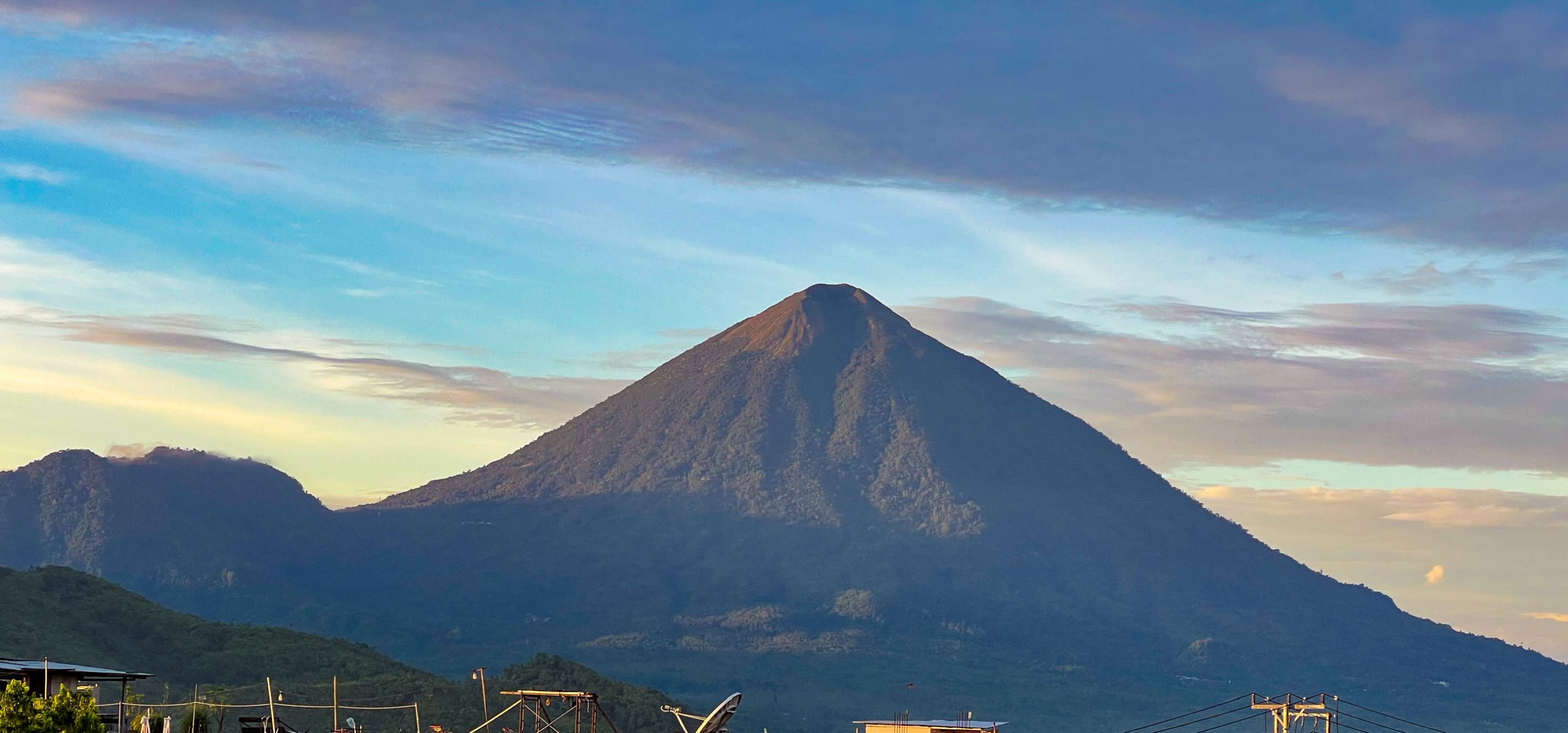
Gunung Tidore tampak dari Pulau Ternate

Maluku, bersama dengan berbagai wilayah nusantara lain, terlibat dalam perdagangan internasional sejak awal milenium pertama. Jalan sutra serta perdagangan lintas Samudera India hingga Yaman, ke negeri Syam, lalu ke Eropa, memiliki ujung timur di kepulauan ini, dengan berbagai rempahnya yang mewarnai budaya dunia. Didudukinya Konstantinopel oleh Kekhalifahan Utsmany mendorong bangsa Eropa mencari jalan ke ujung rantai perdagangan ini, dengan Portugal berlayar jauh ke timur dan Spanyol jauh ke barat, hingga mencapai wilayah Maluku. Sempat Ternate bersekutu dengan Portugal, sementara Tidore bersahabat dengan Spanyol — namun akhirnya semuanya jatuh ke penguasaan keji VOC. Di abad ke-21 ini, kita mendapati bahwa wilayah ini, yang kini dipersatukan dalam Provinsi Maluku Utara, memiliki tingkat ekonomi yang cukup rendah dibandingkan banyak wilayah lain di Indonesia.

The Sultanate of Ternate in the era of Sultan Baabullah.

Aku mendarat dengan GA648 di Sultan Baabullah Airport, Ternate, hari ini pukul 7:45 WIT. Sebetulnya sempat mengharapkan ada waktu untuk diskusi ringkas tentang rencana perluasan program pembinaan UMKM Maluku Utara dengan rekan-rekan Telkom di Ternate dan Halmahera. Telkom telah memiliki UMKM binaan yang produknya dapat diunggulkan, dan aku sudah dapat list-nya dari Bang Lonely Baringin, GM Witel Sulut & Malut — namun seluruh manajemen Telkom di Indonesia bagian Timur sedang menghadiri rakor di Kepulauan Maluku Tengah :).

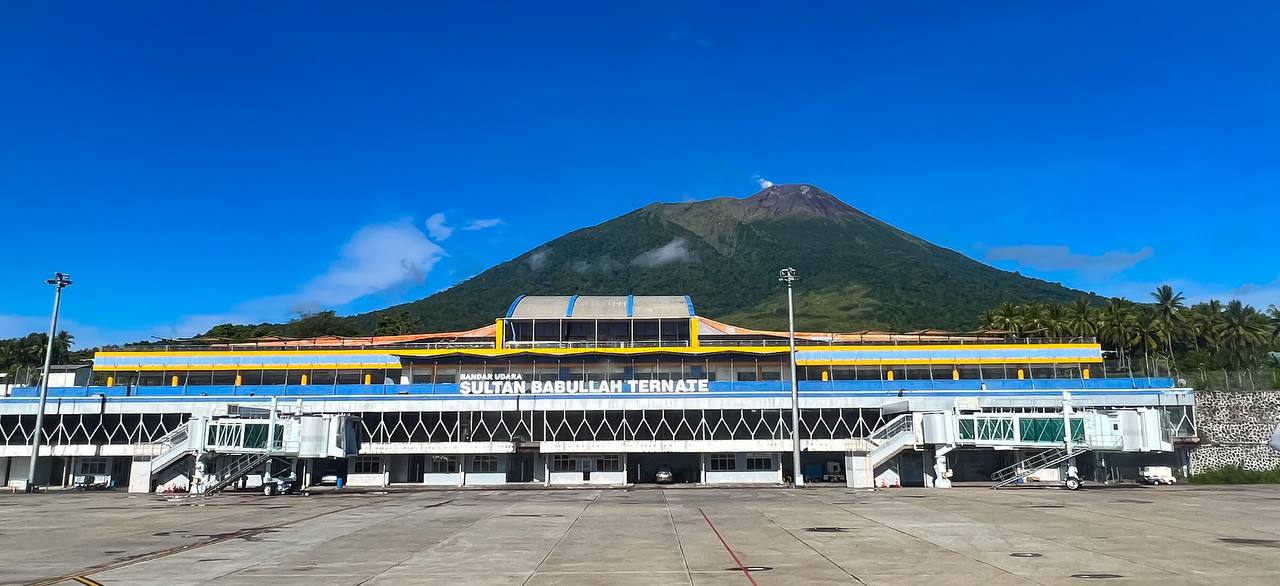
Sultan Baabulah Airport dengan Latar Gunung Gamalama di Ternate

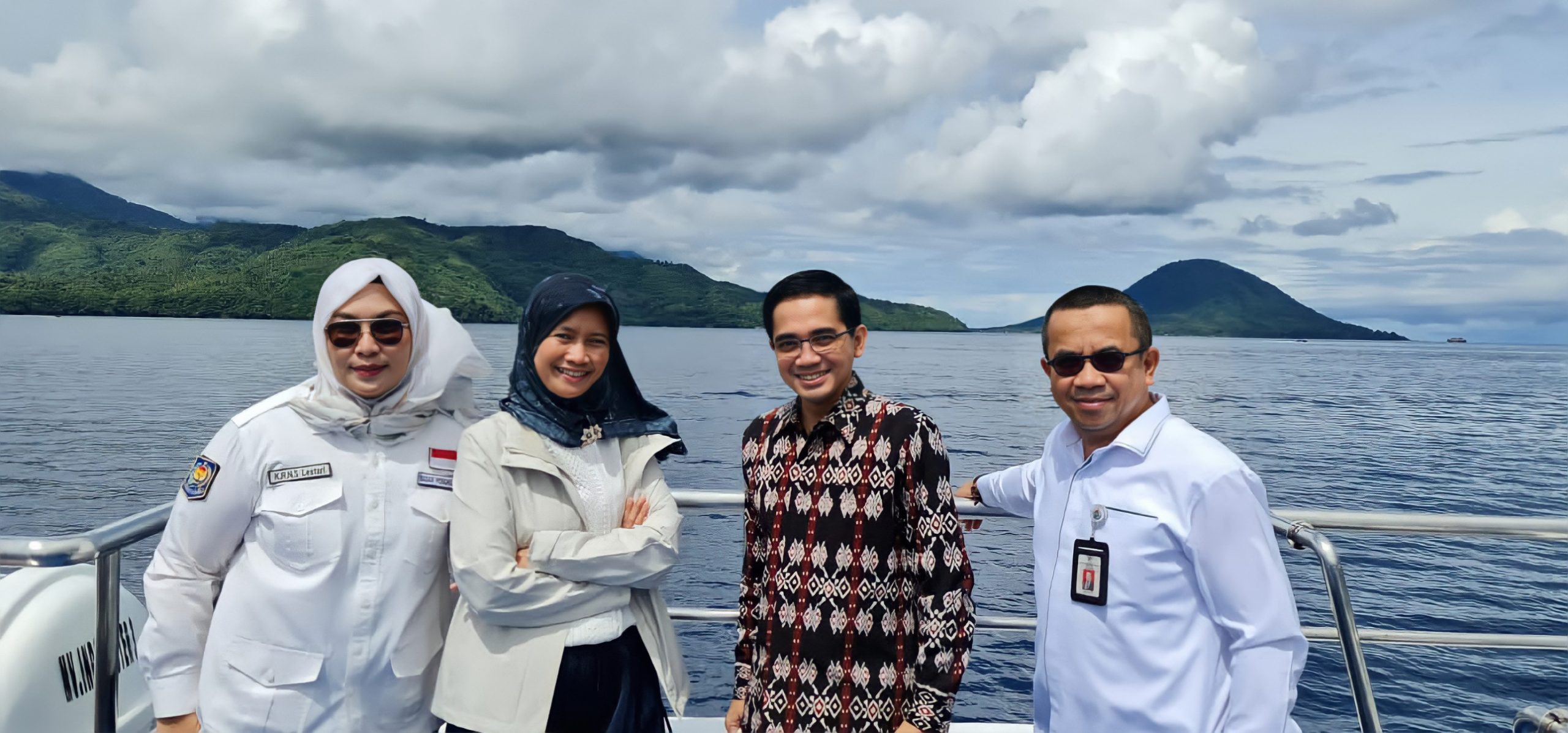
Sebagai bagian dari misi memperkuat kembali ekonomi wilayah Maluku Utara, khususnya ekonomi UMKM, kami berkunjung ke Ternate dan Sofifi (Ibukota Provinsi Maluku Utara, di Pulau Halmahera). Kementerian Desa PDTT memperoleh tugas sebagai campaign manager Gernas BBI di Maluku Utara, didukung berbagai top brands pendukung BBI, termasuk Telkom. Kegiatan diawali dengan kickoff hari ini, dengan acara puncak bulan September.

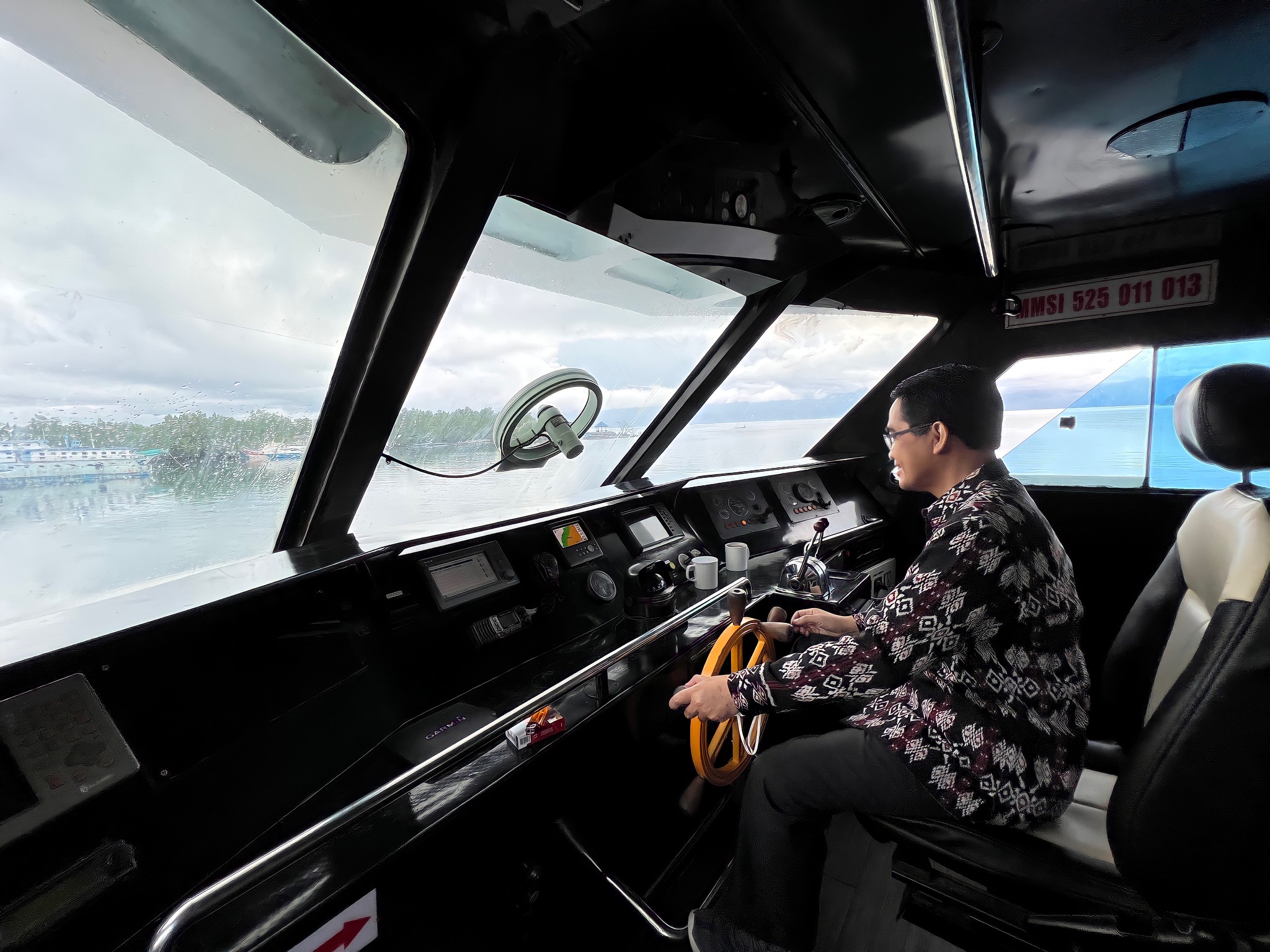
Kickoff dilaksanakan di Kantor Gubernur Maluku Utara yang terletak di lereng bukit di Sofifi, Pulau Halmahera. Seluruh rombongan dari Jakarta dan Ternate bertolak dari Pelabuhan Ternate ke Sofifi dengan speed boat dengan waktu ±40 menit.

Kickoff hanya berisi statement tentang visi dan lingkup program, diikuti komitmen para stakeholder program atas aktivitas yang akan dilaksanakan. Sederhana dan efektif. Diskusi selanjutnya dilaksanakan dalam waktu yang tersisa secara informal; baik dengan Kementerian Desa & PDTT sebagai campaign manager, maupun dengan stakeholder lain.

BBI Prep for North Maluku

September 2022 edition of BBI will be carried out in North Maluku — a province surrounding Northern Moluccas islands. Northern Moluccas was once a central source of global trade even since the Roman era. But currently the economy of this area is not so significant comparing to other areas. With this BBI program, we intend to leverage the MSME economy in these islands.

The campaign manager of this program is The Ministry of Villages, Development of Disadvantaged Regions, and Transmigration (Kemendesa PDTT). The leader for this program is Ms Harlina Sulistyorini, the DG of Economy Development & Investment.

Telkom will support this program by providing MSME build up program (in collaboration with BNI and other state-owned enterprises) integrated with digital business transformation for the MSME, and a virtual expo to display and promote curated MSME products.

BBI Bukittinggi

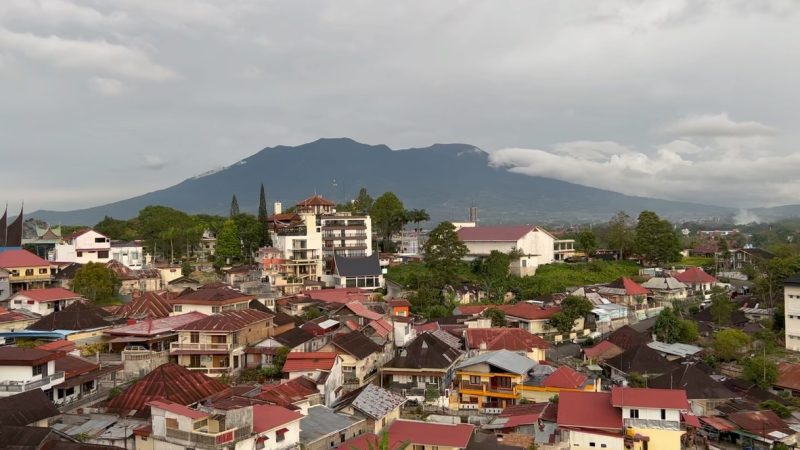
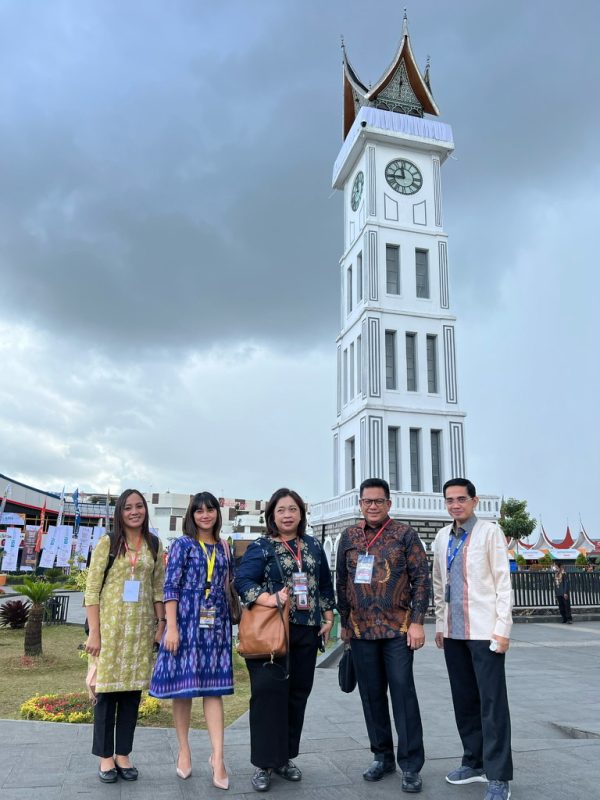
Bukittinggi is a small historical and cultural city in West Sumatra province. It was once appointed as the provisional capital of Indonesia when the criminal armed forces of the Netherlands occupied Yogyakarta (i.e. also the provisional capital of Indonesia). The elegant city is located amidst Bukit Barisan mountain, just between Mt Marapi dan Mt Singgalang — giving it a perfect weather, at least for me.

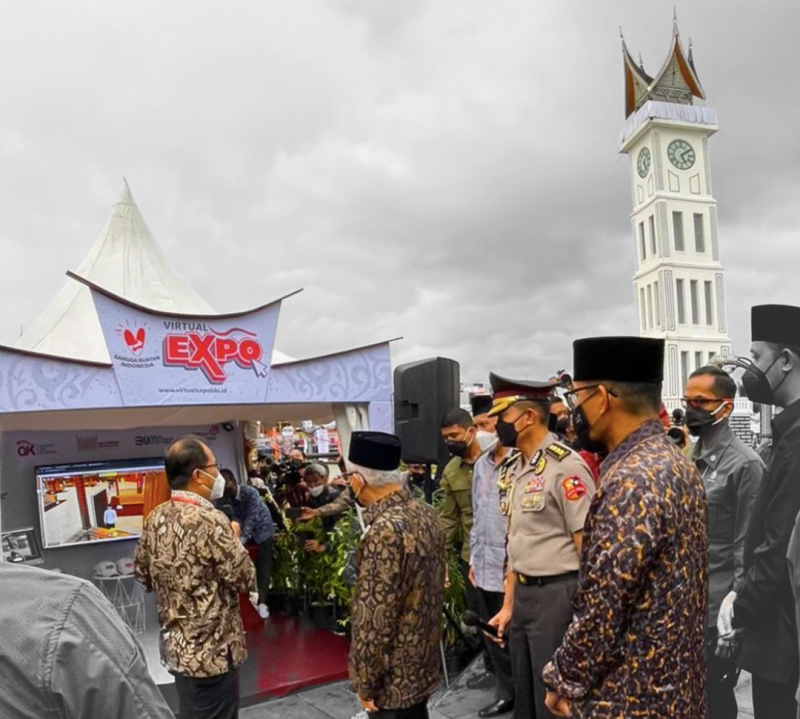
Bukittinggi hosted BBI this month, organised by OJK. It was a special BBI event, since it was attended by the Vice President of Indonesia, and it hosted the launch of the awaited BBI Virtual Expo, designed and provided by Telkom.

The event was carried out at the courtyard of Jam Gadang — the famous clock tower of Bukittinggi.

Flobamora

Eposide di Q2 2021 ini berjudul Gernas BBI Flobamora: tiga buah singkatan yang kepanjangannya bisa digoogle. Pada Q1 2021 vaksinasi Covid-19 telah dimulai; dan aktivitas pengembangan ke wilayah sudah dapat dilanjutkan kembali. Kami beroleh tugas di provinsi NTT. Di awal, fokus hanya pada sebagian Flores dan Sumba, namun kemudian diperluas ke seluruh NTT. Aktivitas sangat diwarnai keterbatasan akibat berbagai pembatasan masa krisis; plus sempat juga ada topan Seroja di NTT bulan April.

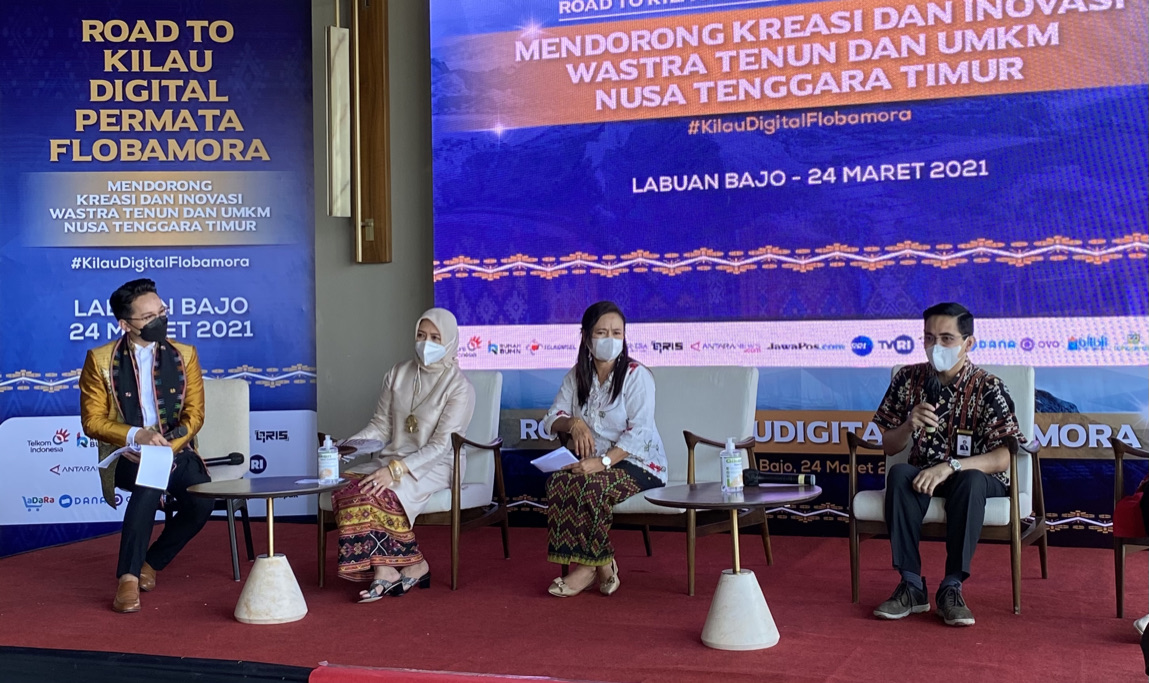
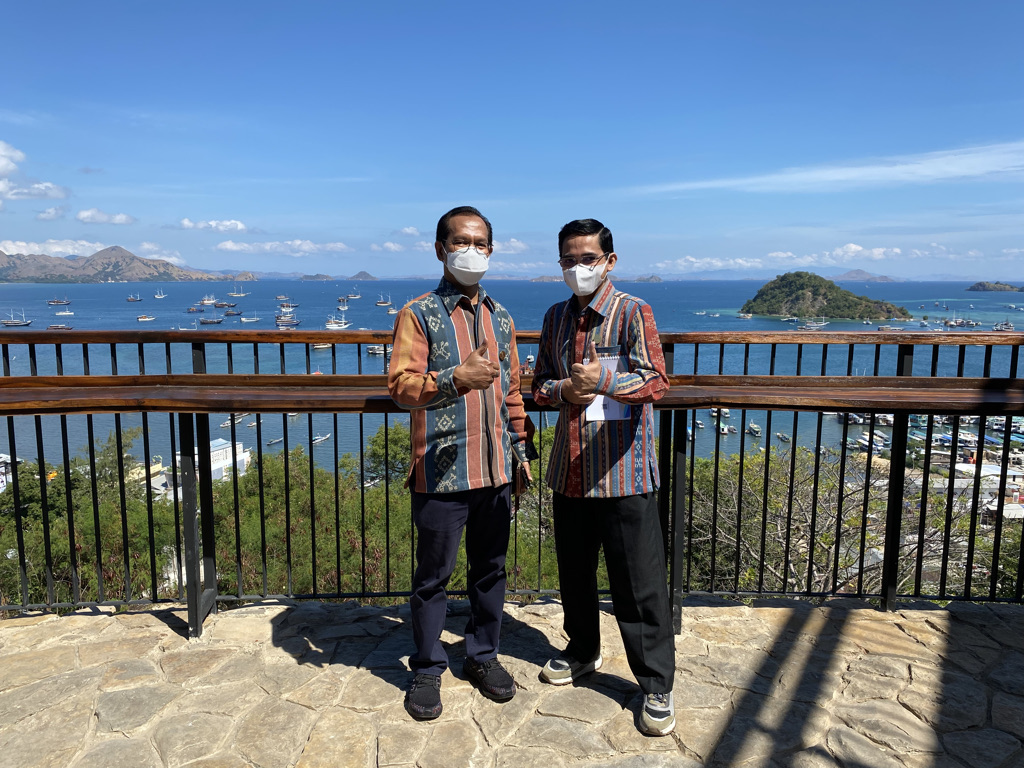
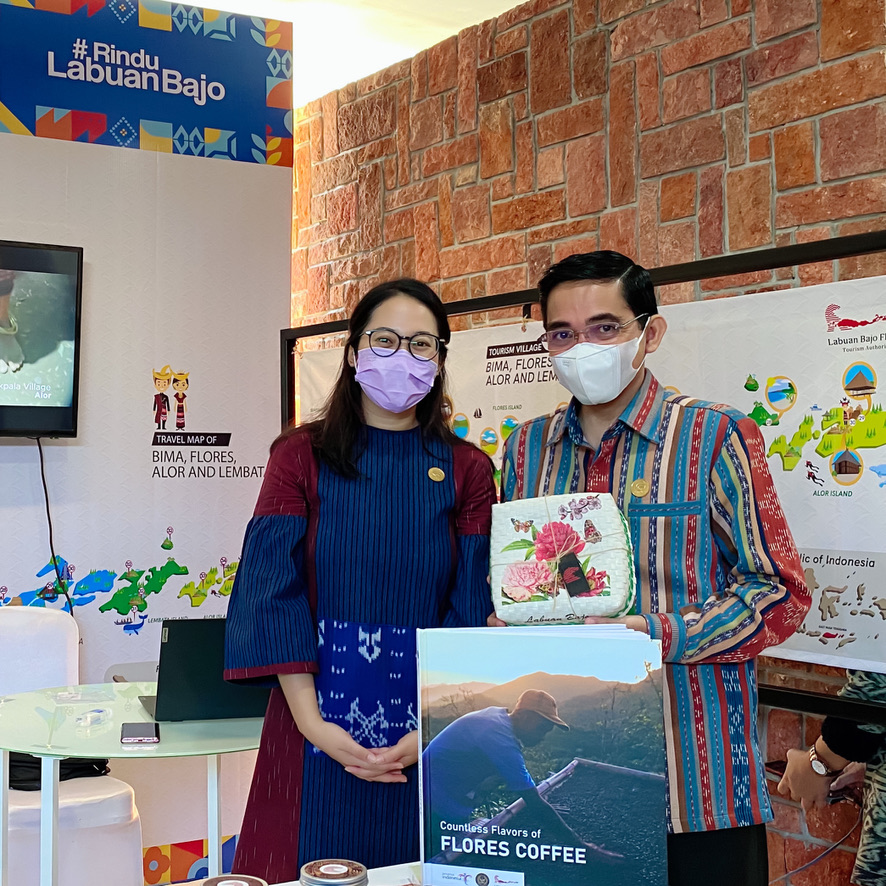
Kegiatan diawali di pertengahan Maret dengan pre-event yang dilaksanakan oleh Kemkominfo, Telkom, Dekranas, dan Bank Indonesia di Labuan Bajo. Telkom mengajukan tema Kilau Digital Permata NTT, yang oleh Staf Khusus Menkominfo, Pak Phillip Gobang, diubah menjadi Kilau Digital Permata Flobamora. Kegiatan direncanakan berupa piloting integrasi berbagai ekosistem digital yang mendukung ekonomi rakyat, termasuk UMKM, pertanian, perikanan, pariwisata, hingga layanan kesehatan dan pendidikan. Pelatihan awal dilakukan dalam bentuk training-for-trainers di RB Labuan Bajo — sebuah fasilitas milik para BUMN yang memang ditujukan untuk memberikan pembinaan dan layanan lain untuk UMKM.

Talkshow di Pre-Event Gernas BBI Flobamora di Labuan Bajo

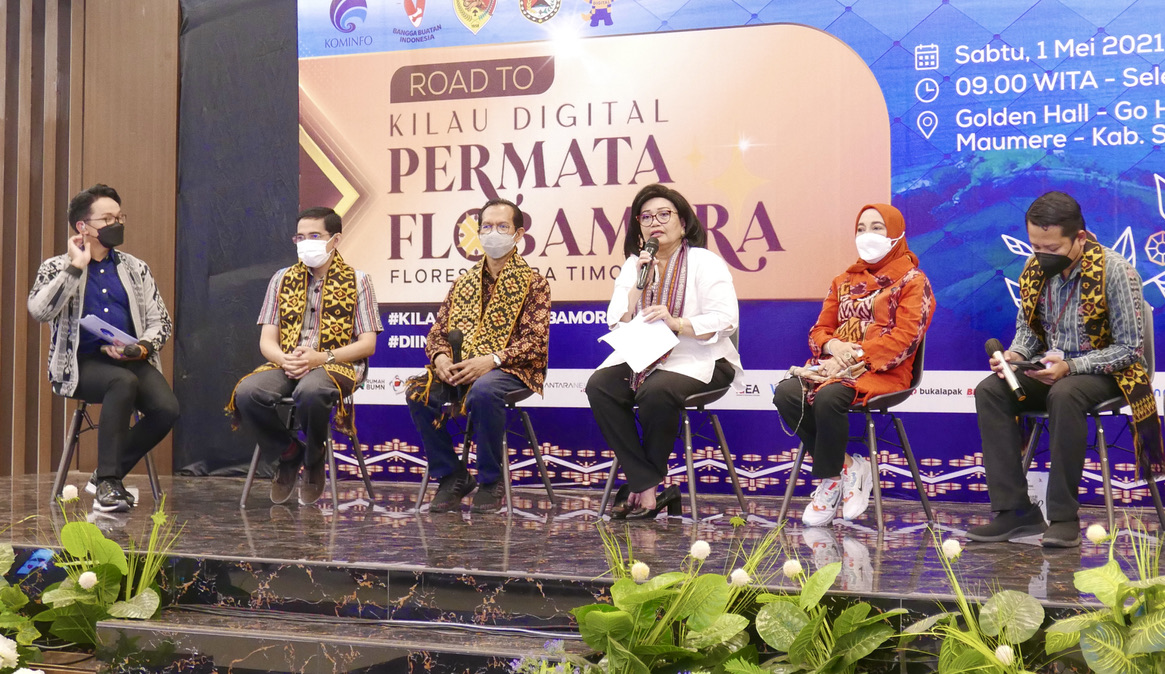
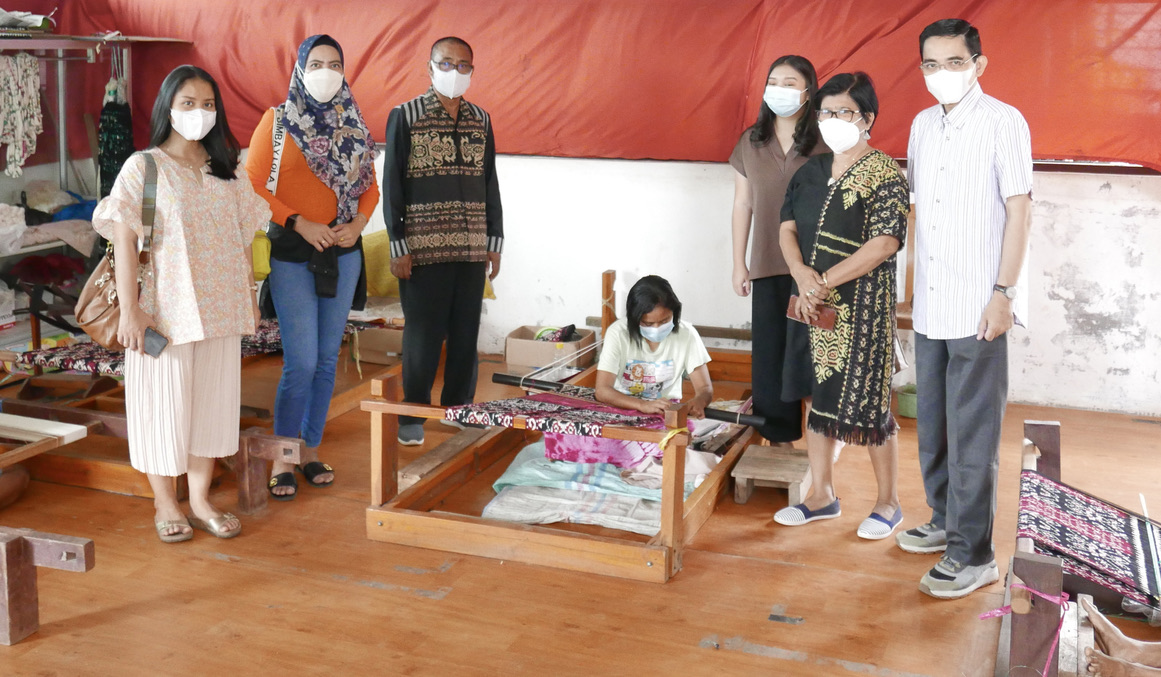
Sempat terhenti akibat terpaan Seroja, kegiatan ini dilanjutkan di Kabupaten Sikka, Pulau Flores. Di Maumere, kegiatan dilakukan dengan penyelenggaraan pelatihan untuk UMKM, serta beberapa kunjungan pada UMKM yang memiliki keunggulan atau keunikan. Termasuk yang kami kunjungi adalah Workshop Tenun Lepo Lorun di Kecamatan Nita.

Talkshow Gernas BBI Flobamora di Maumere

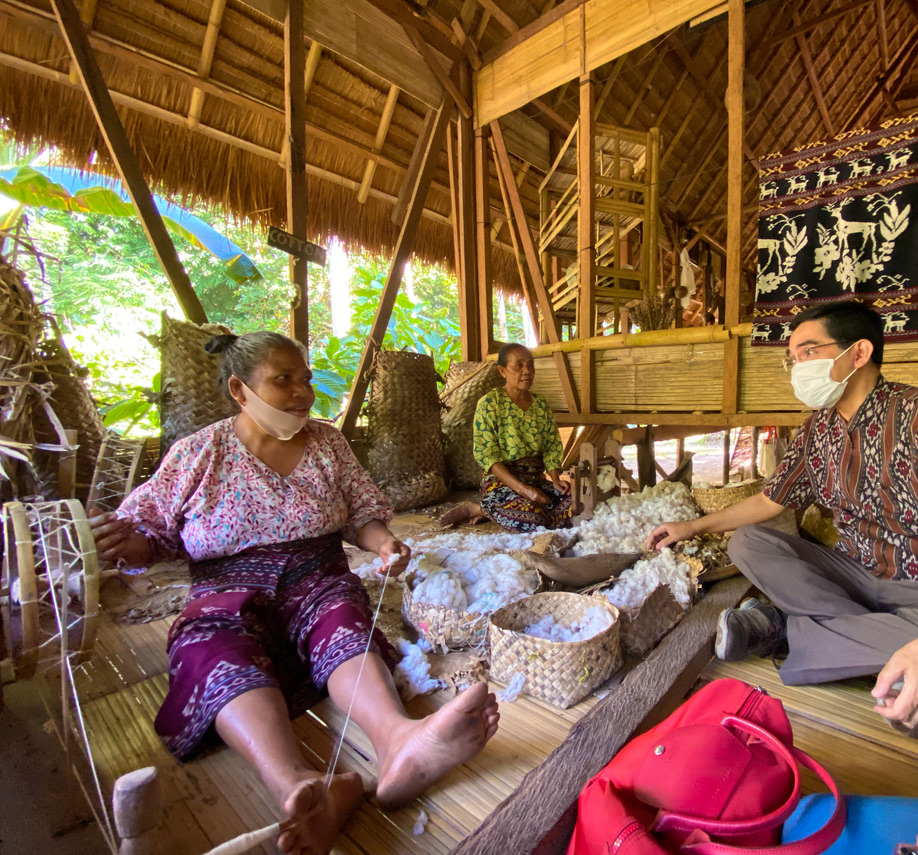
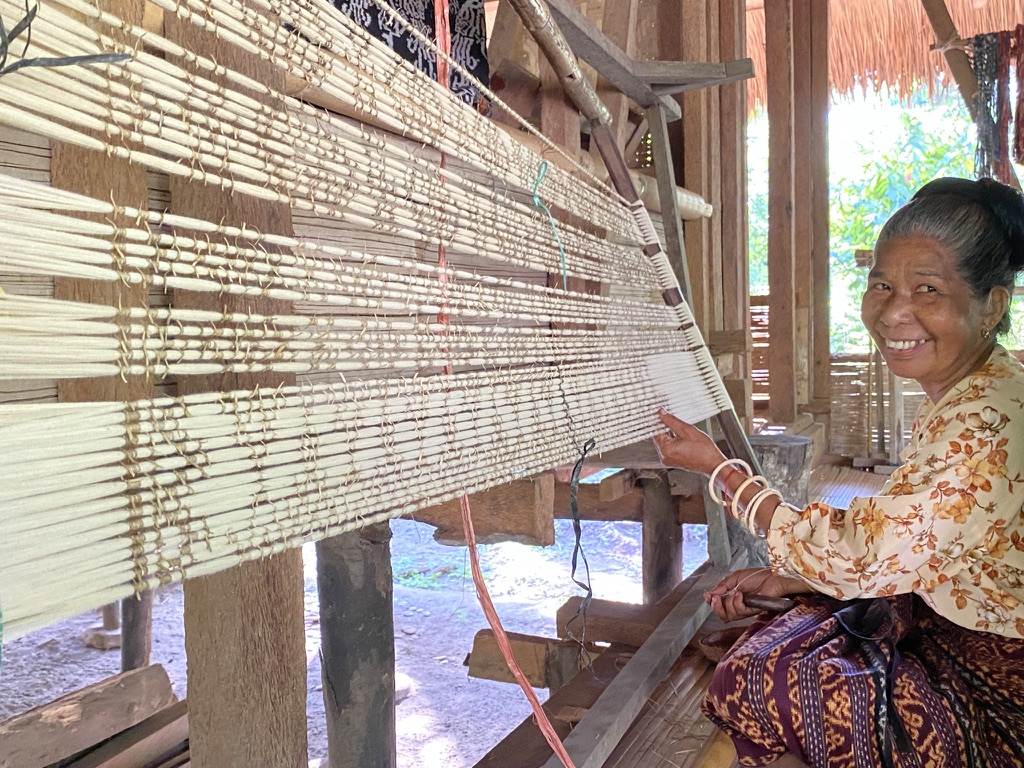
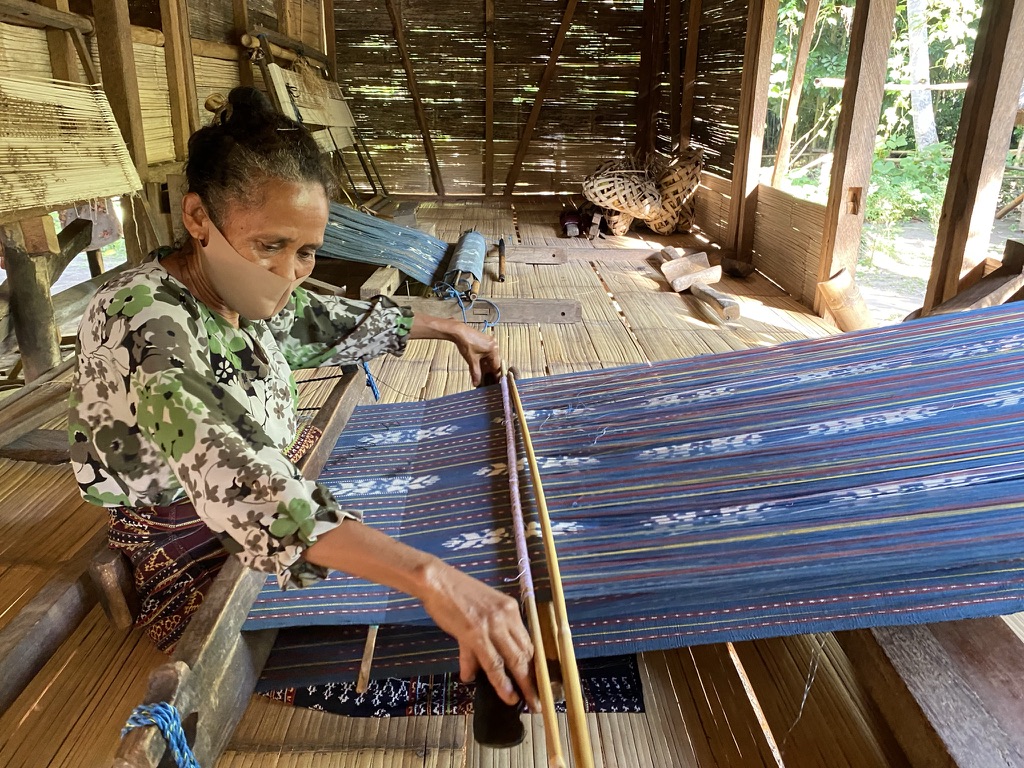
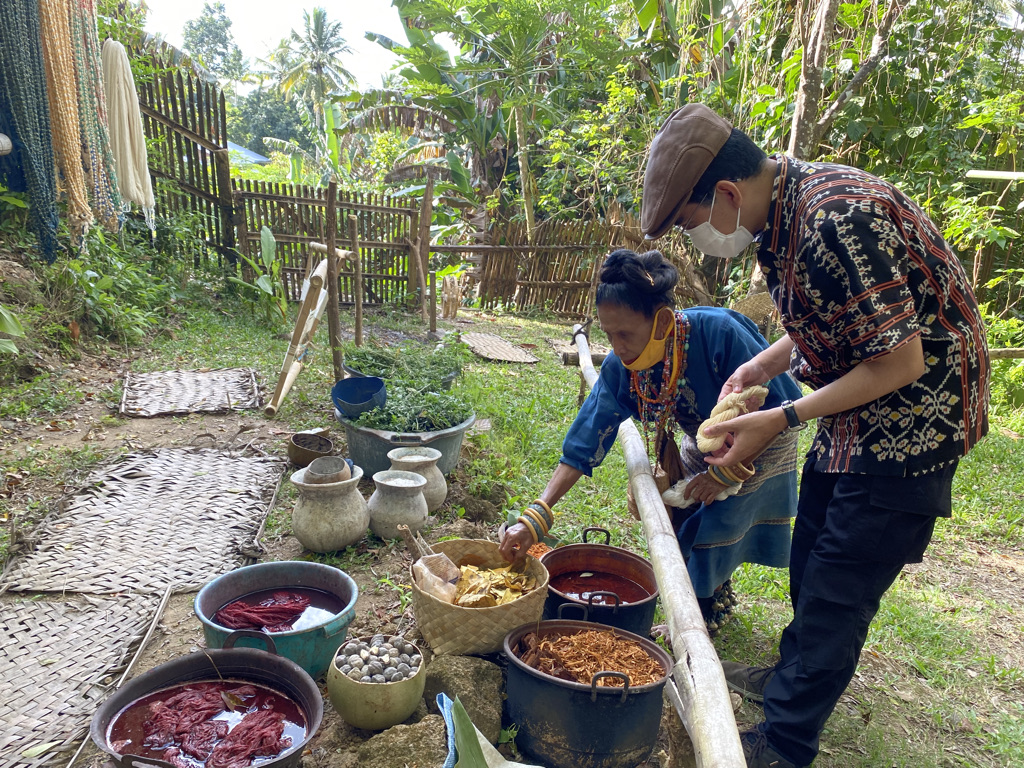
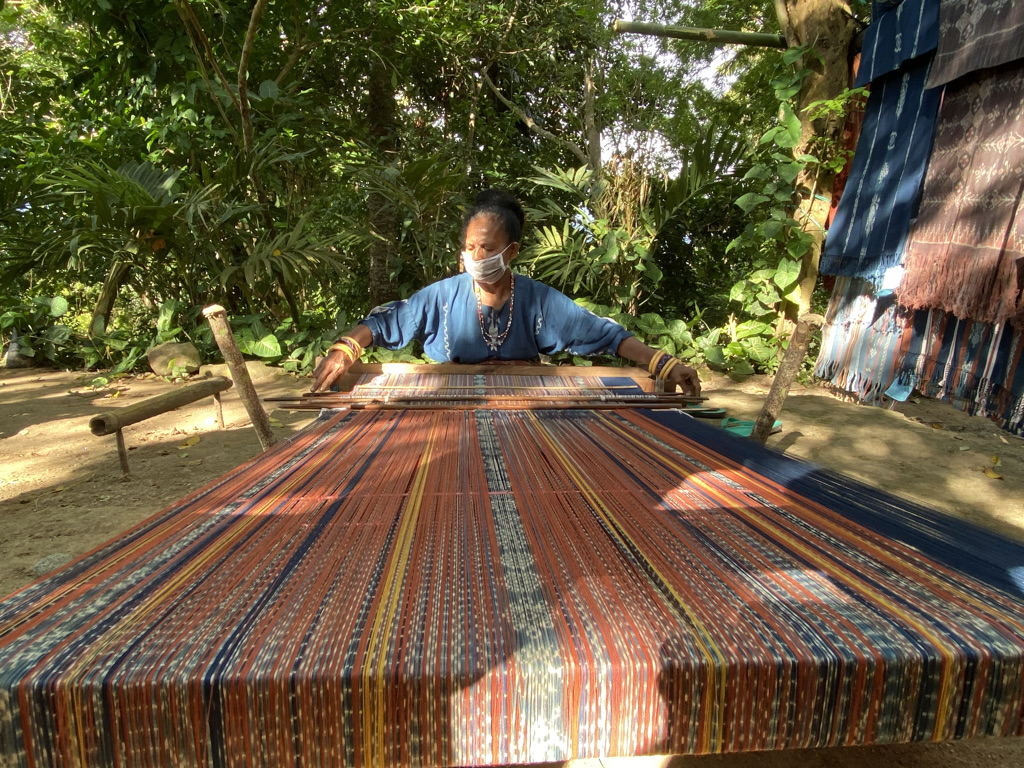
Diasuh oleh Ibu Alfonsa Horeng, Lepo Lorun (yang dalam bahasa Indonesia berarti Rumah Tenun) ini memungkinkan penduduk di Nita bekerja menghasilkan kain tenun tradisional Maumere yang berkualitas. Bahan-bahan serba alami. Bahkan kapas pun ditanam di sana. Ibu-ibu berusia lanjut memintal kapas menjadi benang dengan pintal kayu kecil serta uliran dari tangan. Benang kemudian ditarik pada sebuah papan, dan didesain pola warna tenunnya, dengan cara diikat dengan batang alang-alang kecil. Benang kemudian diwarnai dengan pewarna alam dari bahan yang ditanam di tempat pula: kunyit untuk kuning, nila untuk biru, mengkudu untuk merah, kayu-kayu untuk coklat, dll. Proses ini diulangi hingga tersusun benang berwarna-warni. Dengan alat tenun tradisional, benang-benang ini ditenun menjadi kain tenun ikat dengan berbagai corak yang indah. Kapasitas produksi yang kurang memadai membuat Lepo Lorun dan banyak lokakarya setempat harus membeli benang jadi juga dari pasaran.

Pemintalan Benang di Lepo Lorun
Proses Mengikat Benang Tenun di Lepo Lorun
Proses Tenun di Lepo Lorun

Di hari berikutnya, kami kunjungi Desa Wisata Watublapi di kecamatan Hewokloang. Desa ini juga merupakan sentra industri berbasis komunitas yang terdiri atas puluhan keluarga, yang berkolaborasi untuk menghasilkan kain tenun berkualitas dengan cara tradisional. Di sini, proses produksi dipaparkan lebih lengkap, karena kami hadir bersama beberapa pejabat dari Kemkominfo, Kem-KUKM, dan Pemkab Sikka.

Bahan-Bahan Pewarna Kain Tenun di Desa Wisata Watublapi
Proses Tenun di Desa Wisata Watublapi
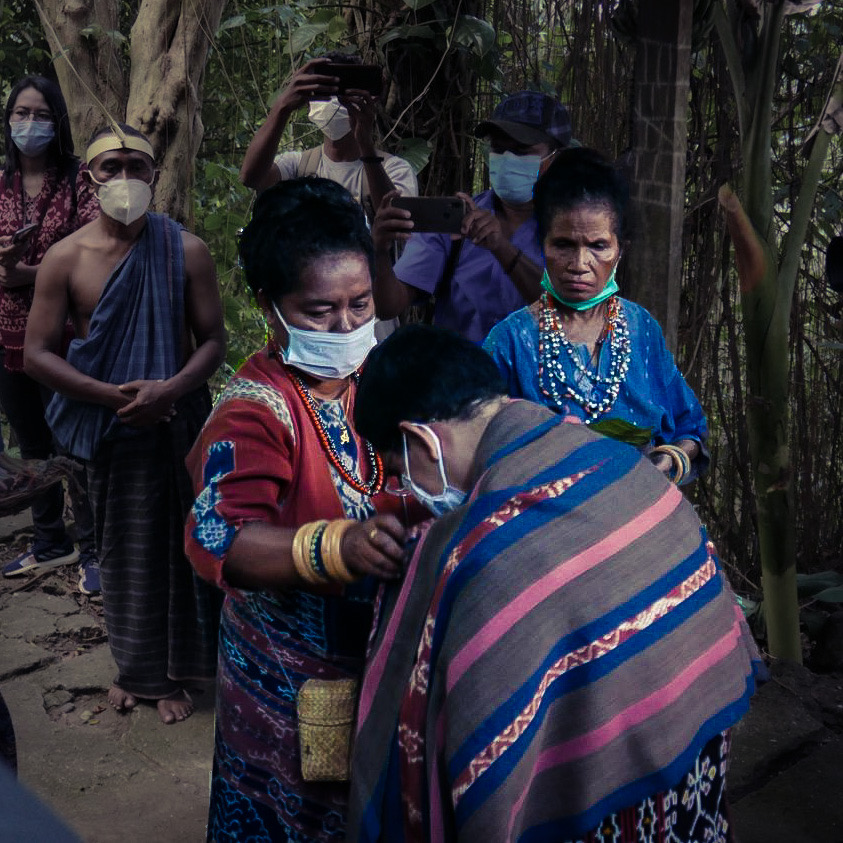
Upacara Pengenaan Kain di Desa Watublapi
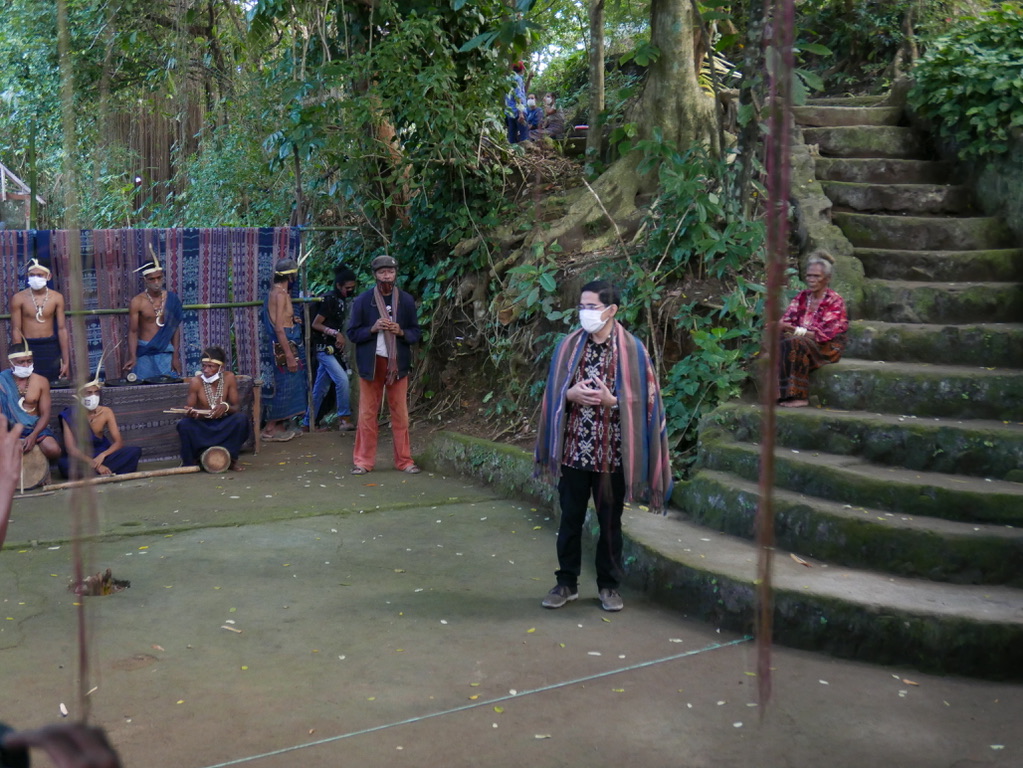
Memberikan sambitan / sambutan di Watublapi

Di Maumere, ibukota kabupaten Sikka, team ekosistem pertanian juga menyiapkan kerjasama digitalisasi offtaking produk perikanan dan pertanian, yang didukung Pemkab Sikka.

Setelah Maumere, kunjungan berikutnya adalah Kupang, Ibukota Provinsi NTT, di Pulau Timor. Pelatihan UMKM di sini dilaksanakan oleh team dari Witel NTT; sedang talkshow dilakukan di Hotel Aston Kupang.

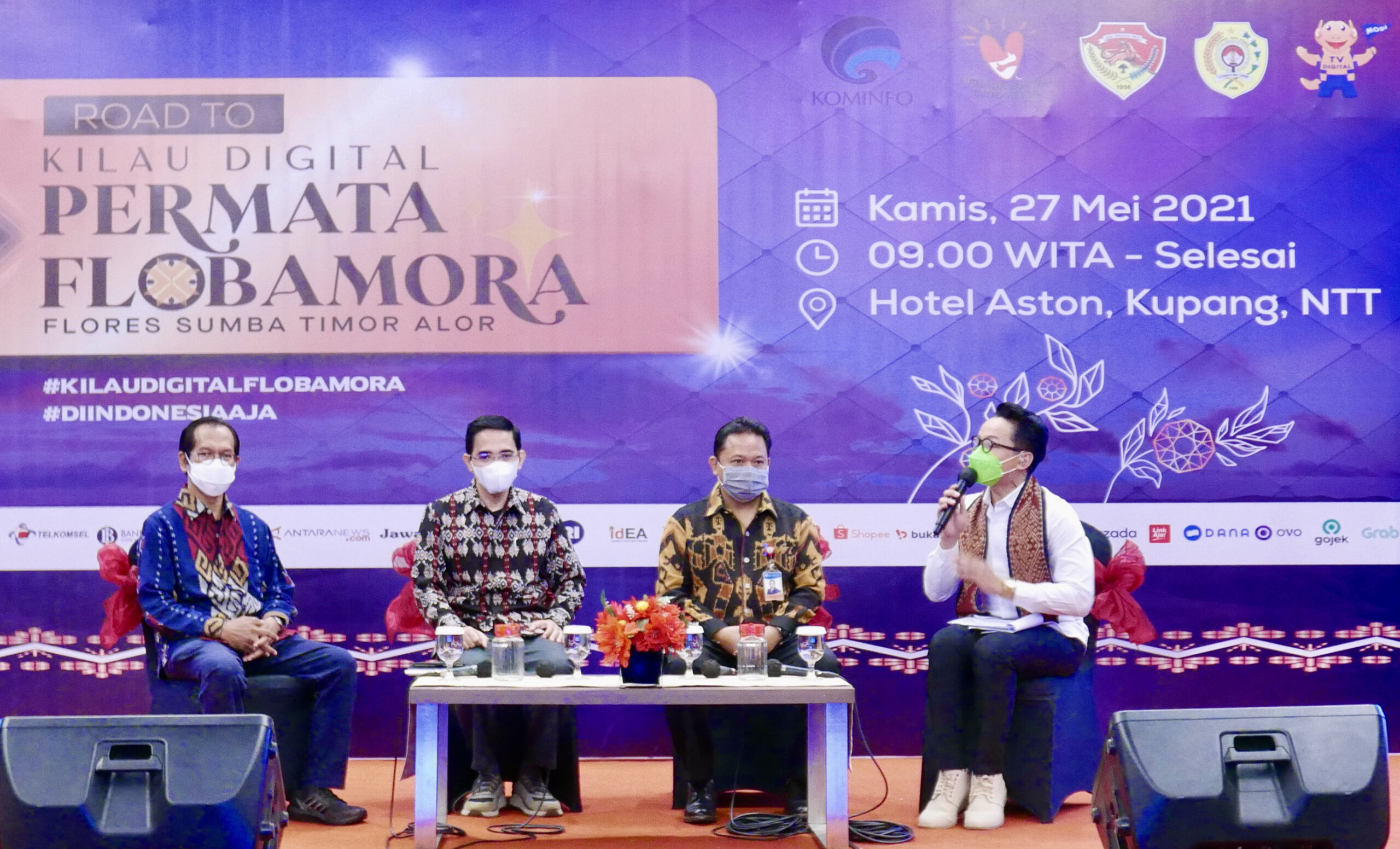
Talkshow Gernas BBI Flomabora di Kupang

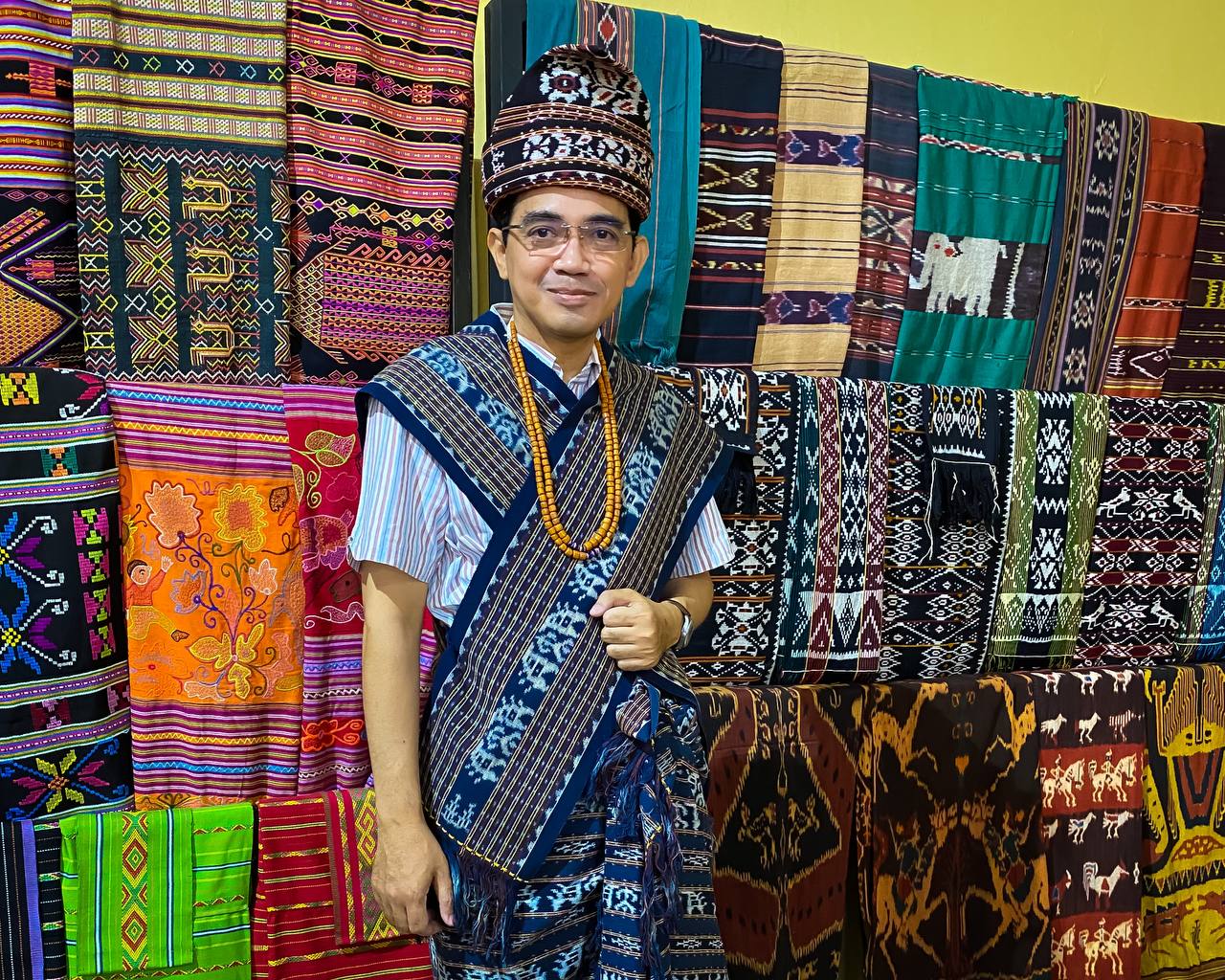
Selain pelatihan untuk UMKM, kami juga mengunjungi pusat produksi tenun Inda Ndao. Walaupun terletak di Kupang, Ina Ndao banyak menampilkan motif dari Ndao, salah satu pulau kecil paling selatan di Indonesia, bersebelahan dengan Rote. Pemiliknya, Bu Dorce, pernah mendapatkan pembinaan dari Telkom dan BI, namun kini telah dapat membina UMKM lain, termasuk memiliki komunitas UKM Naik Kelas di Kupang.

Bersama Bu Dorce dan Pak Yus di Sentra Produksi Rumah Tenun Ina Ndao, Kupang
Jadi model di Ina Ndao

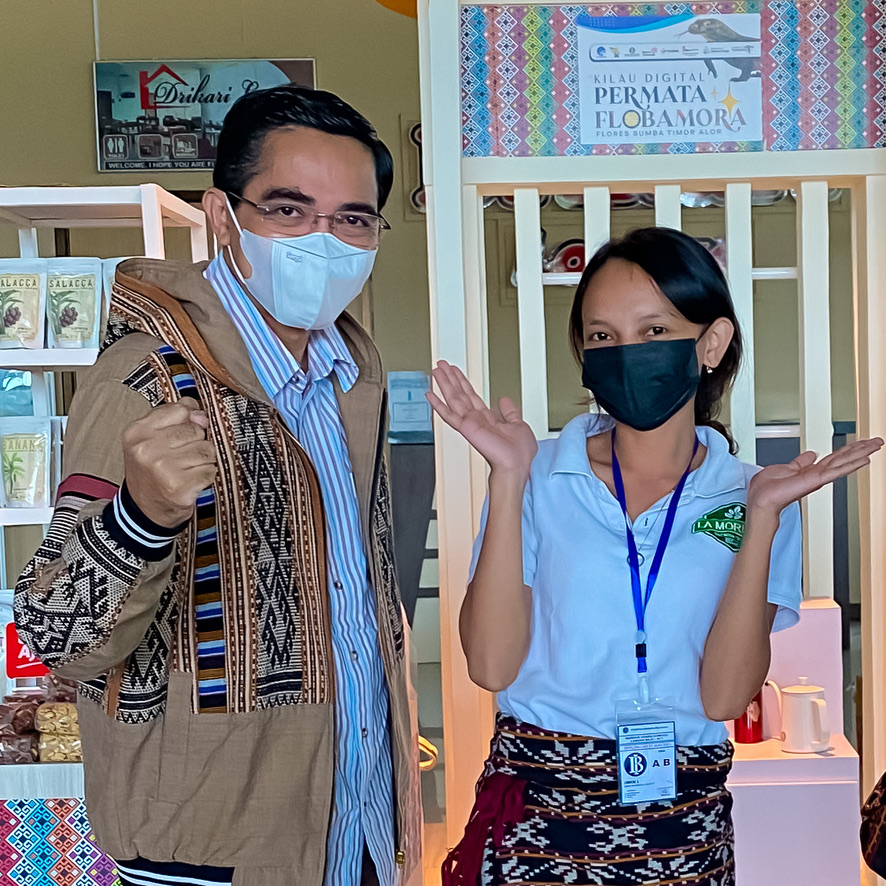
Di Kupang, kami juga ke La Moringa. Ini bukan kunjungan pembinaan dll, haha. Tapi memang cari tempat lunch yang bersuasana riang di Kupang. AM Telkom yang merangkap fasilitator UMKM di Kupang, Leevenia, menganjurkan ke La Moringa. Selain berupa resto & café, La Moringa juga memproduksi kuliner oleh-oleh yang bahannya diambil dari daerah setempat, terutama daun kelor. Pelopor dan pemilik La Moringa ini seorang dokter; namun berbagai koordinasi dipercayakan pada PIC-nya, Edyth Coumans.

Bersama Ey Coumans di Booth La Moringa, Komodo

Sayangnya, akibat sempat terjadi topan Seroja, kegiatan-kegiatan ini sempat tertunda, jadi kami belum punya waktu untuk menjalankan program di Pulau Sumba. Bulan Juni sudah hadir, dan kami siapkan kegiatan puncak di Labuan Bajo. Pada kegiatan ini, dipercepat kembali kegiatan2 digitalisasi ekosistem di NTT, termasuk pembayaran digital di pasar di Kupang dan Labuan Bajo, offtaking di Sikka yang diperluas ke seluruh NTT, serta promosi produk UMKM NTT melalui Virtual Expo Flobamora. Juga dilakukan evaluasi kembali atas kegiatan yang tengah dilakukan di NTT. Salah satunya adalah dengan pemeriksaan kondisi di Desa Wisata Liang Ndara, binaan dari Telkom Indonesia.

Ditemani Bapak Kristo dalam kunjungan ke Desa Wisata Batu Cecer, Liang Ndara

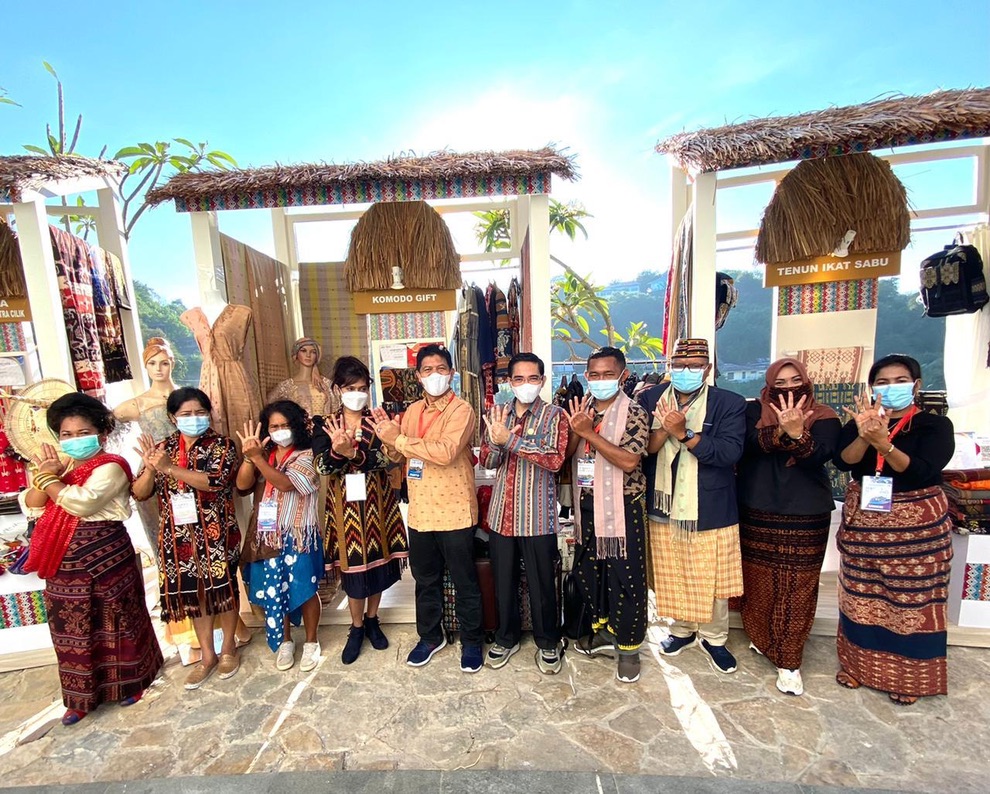
Sebagai acara puncak, dilaksanakan ceremony yang dilaksanakan di Puncak Waringin, Labuan Bajo, pada 18 Juni 2021 ini. Ceremony dihadiri Menkomarves Luhut Panjaitan, Menkominfo Johny Plate, Gubernur NTT Viktor Laiskodat, Direktur Strategic Portfolio Telkom Indonesia Budi Setyawan, serta representative dari beberapa kementerian dan Bank Indonesia. Beberapa UMKM yang telah kami temui di Maumere, Kupang, dan Manggarai kami jumpai kembali di Puncak Waringin ini.

Beberapa UMKM Mitra Kerja Gernas BBI Flobamora

Kembali ke Jakarta, kegiatan Virtual Expo diperkaya dengan beberapa webinar yang menampilkan para pimpinan dari gerakan nasional ini, termasuk dari Dekranas, Bank Indonesia, Kemkominfo, BPOLBF, dan tentu dari Telkom Group sendiri. Para UMKM peserta Virtual Expo juga mulai diberikan akses ke pasar B2B ke para BUMN melalui PADI UMKM untuk memastikan kontinuitas transaksi.

Diskusi keberlangsungan program dengan Staf Khusus Menkominfo, Bapak Phillip Gobang, di Puncak Waringin
Bahas Rencana Lanjutan dengan Dir Pemasaran BPOLBF, Bu Raisa Lestari

Secara umum, kegiatan ini berhasil membentuk rantai ekosistem, membentuk jejaring antar komunitas yang memiliki berbagai bentuk komitmen dan kapabilitas untuk bersama-sama mengembangkan ekonomi rakyat, khususnya UMKM dan pertanian di provinsi NTT; untuk kemudian pola serupa digunakan dalam ekspansi ke provinsi lain yang tentunya memiliki keunggulan dan keunikan masing-masing — dan menyimpan berbagai potensi menakjubkan yang hanya dapat dipahami saat kita turun dan melihat langsung ke berbagai pelosok Indonesia ini.

Tim kecilku, bagian dari Satgas BBI Flobamora: Haekal, Andien, Ervina, & special agent Leevenia

Oh, kami masih punya hutang untuk pergi ke Pulau Sumba.

BBI Q4/2020

BBI (Bangga Buatan Indonesia) is a coordinative & collaborative programs to improve the economy and commercialisation of national products with special emphasis on MSME products, led by the Government of Indonesia — in this case the Coordinative Minister of Maritime and Investment (Menkomarves). Telkom is actively involved in this program via its MSME Digital Ecosystem programs, incl PADI UMKM and Rumah BUMN.

This year, some footholds have been established, including the BBI program itself, PADI UMKM & Bela Pengadaan, and some programs related to MSME in Creative Economy and Maritime & Fishery. For Telkom, the main role is to build, establish, and expand the platform-based digital ecosystem for MSME business, including their development and economic improvement.

The next thing to do is to build a context for integration among those separated systems and applications, to establish a real ecosystem supported with integrated information and platform, where all programs and activities could provide mutual support in leveraging different segments of MSMEs, including small and medium business in agriculture, fishery, forestry, creative industry, etc.