Ayo Berlari

This morning, “Ayo Berlari” at GBK Senayan gathered Telkom Connect, Telkom Runner, Witel Jakarta Centrum, and an inspiring turnout that included the CEO, the Director of Digital IT, and the Director of Legal & Compliance of Telkom Group.

I opened the event in my role as Advisor to Telkom Connect, our volunteer alliance that strengthens collaborative engagement across the Group and with other SOEs. In my remarks, I underlined that in the midst of major and urgent challenges, we must continue to cultivate readiness, commitment, enthusiasm, and collaboration as we carry the nation’s transformation agenda and the company’s responsibilities forward.

As part of Earth Mission 2025: Mangrove Chapter, every kilometre run will translate into one mangrove seedling—up to 300 seedlings to be planted on 29 November 2025.

This activity extends Telkom Connect’s ongoing employee voluntrip initiatives throughout 2025, including Daging Qurban untuk Negeri, seagrass planting, turtle release, and coastal pandan planting—clear proof of our resolve to contribute meaningfully to society and the environment.

IEEE Day with Telkom Caucus

Happy IEEE Day! Started as professional collaborations in 1884, the IEEE expands to research & dissemination, to strategic global plan and standardization, to cutting-edge technology design & deployment, to the engagement of industry, universities, schools, students, and startups, and to humanitarian technology activities. IEEE: advancing technology for humanity.

In April 1884, a group of pioneers, including Thomas Edison, Alexander Graham Bell, George A. Hamilton, met in New York to form a professional body for the nascent field of electrical engineering, establishing the AIEE under Norvin Green. That same year, on 7–8 October, the AIEE held its first technical meeting at the International Electrical Exhibition in Philadelphia, an event widely regarded as the birth of organised electrical engineering in America. Among its early contributors were Nikola Tesla, Elihu Thomson, Edwin Houston, and Edward Weston, whose collective work later shaped the Institute of Electrical and Electronics Engineers (IEEE).

IEEE R10 HTC 2025

Minggu lalu, IEEE Region 10 menyelenggarakan Humanitarian Technology Conference (HTC) 2025 di Chiba University of Commerce, Jepang, 28 September hingga 1 Oktober, yang mempertemukan para visioner global dengan mengusung tema “Beyond SDGs, A New Humanitarian Era with Intelligent Partners.” Konferensi ini menyoroti sinergi antara intelektualitas manusia dan sistem cerdas yang berkembang dalam meningkatkan dampak kemanusiaan melalui teknologi.

Saat Pembukaan, Presiden IEEE Humanitarian Technologies Board (HTB) Grayson Randall menyampaikan speech yang menekankan peran istimewa profesi insinyur dalam meningkatkan kualitas hidup manusia. Pesannya menegaskan bahwa insinyur bukan sekadar pemecah masalah, melainkan arsitek harapan yang mampu menjembatani inovasi dengan tanggung jawab sosial. Ia juga memaparkan berbagai peluang baru dalam program-program HT untuk mendorong proyek yang inklusif dan berdampak luas di kawasan Asia-Pasifik. Pada hari kedua, IEEE President-Elect Mary Ellen Randall menyampaikan keynote speech yang visioner tentang roadmap IEEE dalam memajukan profesi rekayasa selaras dengan tujuan pembangunan manusia global. Ia menjelaskan bagaimana arah strategis IEEE, termasuk etika digital dan inovasi berkelanjutan, berfokus pada satu misi utama, peningkatan kualitas hidup manusia melalui kolaborasi yang cerdas.

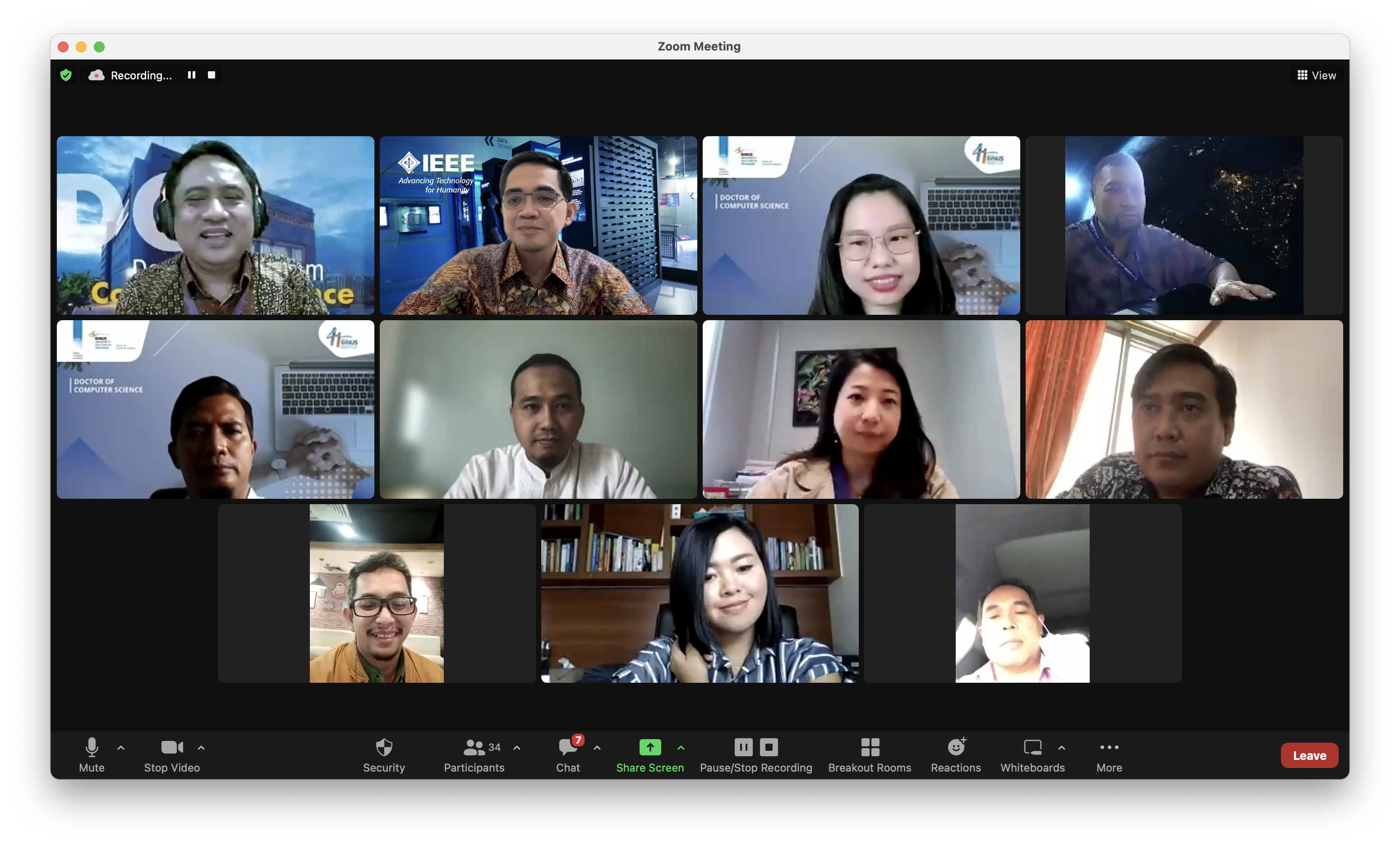
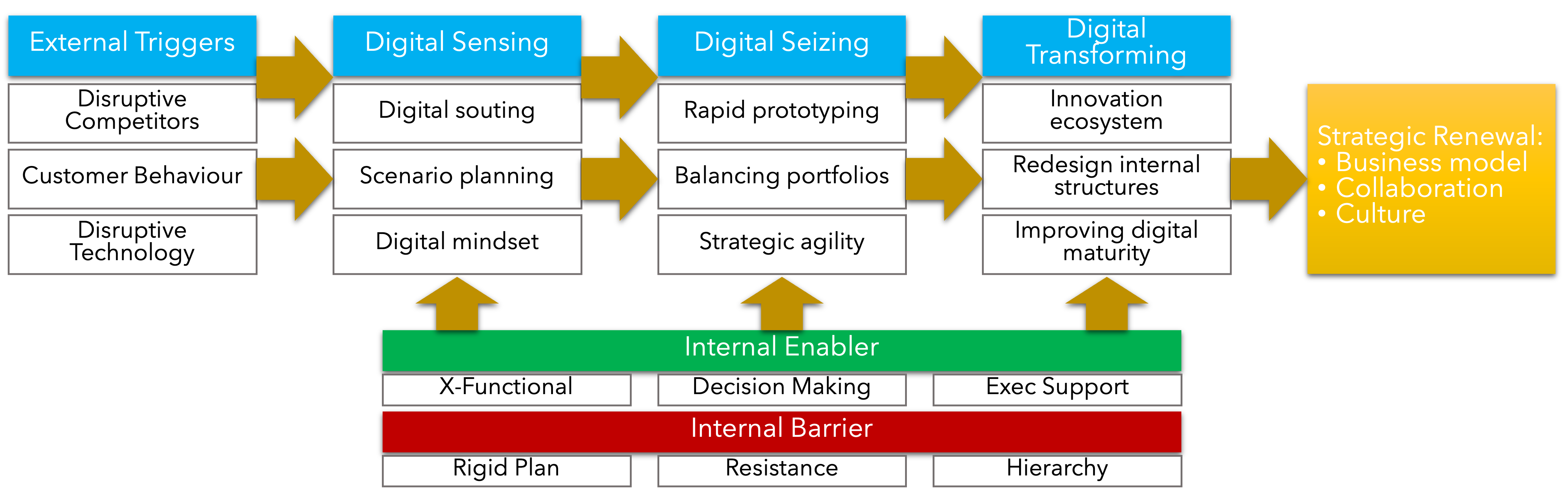
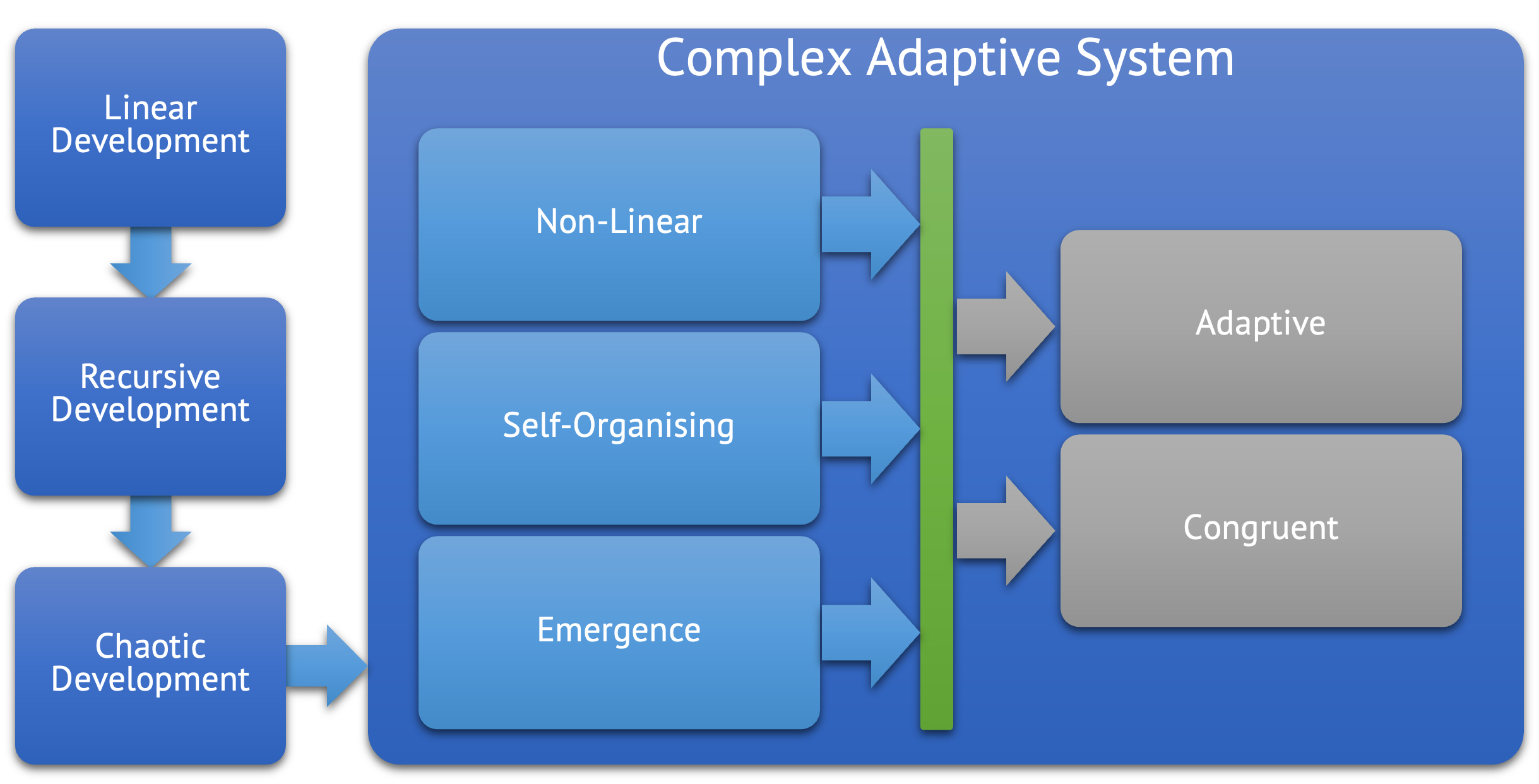
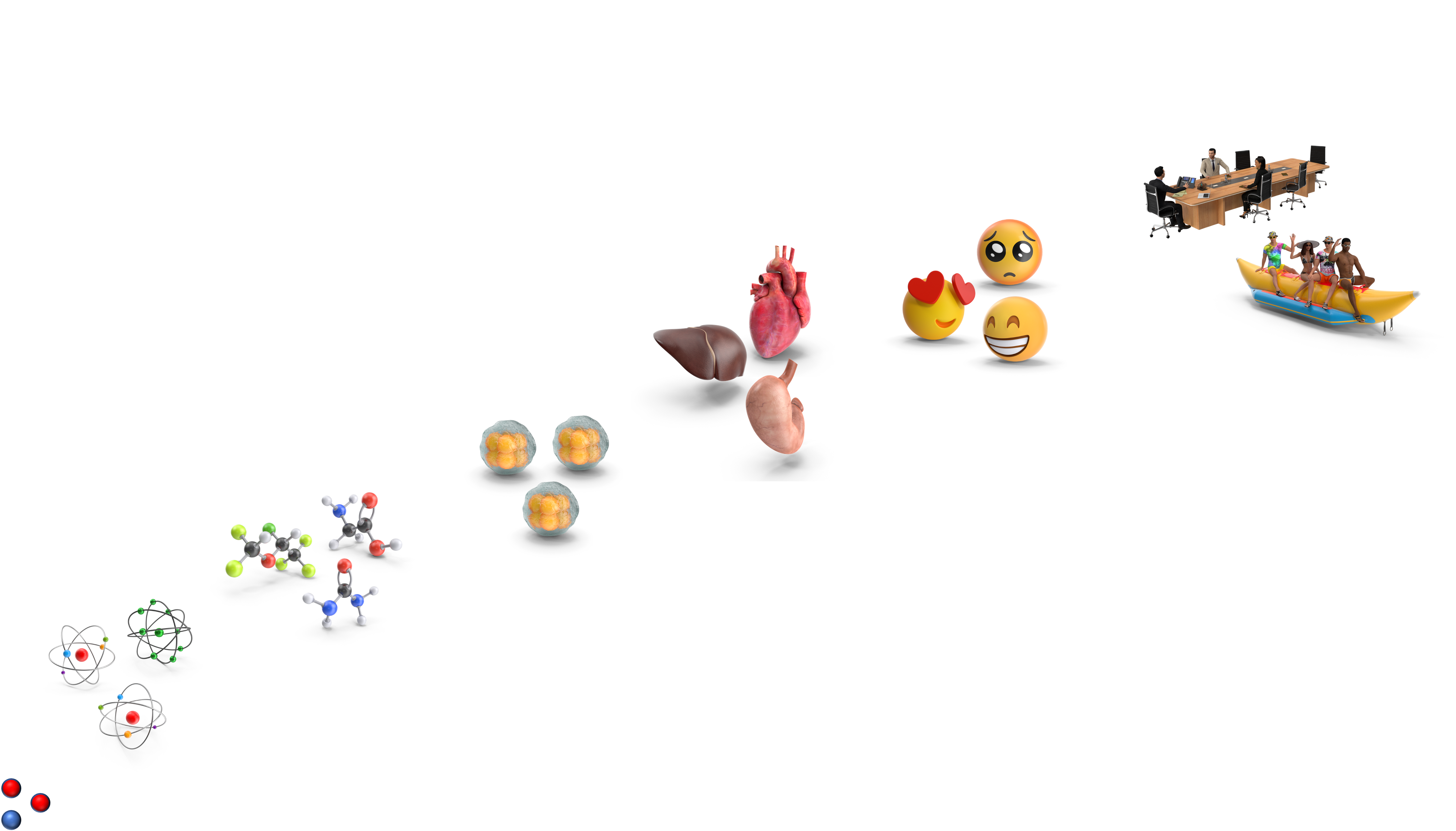
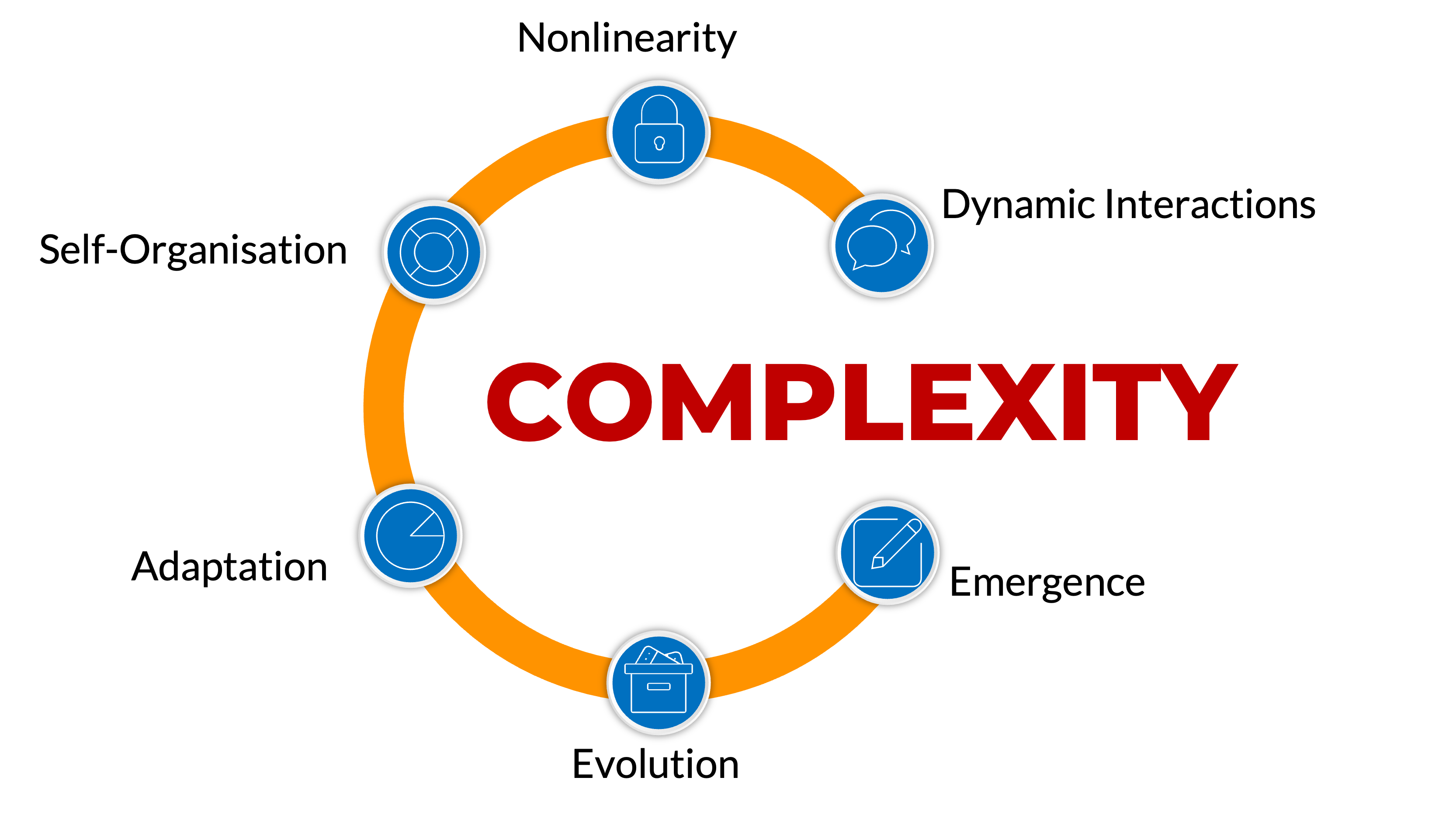
Hari ke-3 (1 Oktober), aku berpresentasi dalam Program Khusus 15 dengan judul “Synergy for Sustainable Impact.” Sesi ini dimoderatori oleh Allya Paramitha, dengan para panelis Hidenobu Harasaki, Husain Mahdi, Agnes Irwanti, Bernard Lim, Chie Sato, Saurabh Soni, dan aku sendiri. Diskusi membahas mekanisme kolaboratif antara teknologi, kebijakan, dan inovasi sosial untuk mempercepat hasil kemanusiaan yang berkelanjutan. Aku nyaris selalu memulai presentasi tentang sinergi, ekosistem, dan kolaborasi industri dengan menempatkannya dalam framework teori kompleksitas, yang menunjukkan bagaimana sinergi dapat menghasilkan nilai emergence secara non-linear dalam ekosistem kompleksitas. Fenomena emergensi inilah yang menjadi kunci transformasi menuju pencapaian SDG, khususnya dalam memperkuat inklusivitas, ketahanan, dan keadilan.

Aku mengacu pada visi nasional Indonesia, dengan menjelaskan pengembangan ekosistem komersialisasi UMKM sebagai model penerapan teknologi kemanusiaan. Melalui program-program yang meliputi juga pembiayaan mikro, platform digital, dan pemberdayaan koperasi, kita menunjukkan bagaimana teknologi dapat mengangkat pasar yang sebelumnya belum tergarap menjadi sistem yang produktif dan berkelanjutan. Aku juga memaparkan case dimana IEEE Indonesia SIGHT in Sociopreneurship and Sustainability melaksanakan program pengembangan kapasitas bagi Student Branch IEEE Indonesia, yang masing-masing merancang solusi lokal seperti sistem air tenaga surya, pemantauan berbasis IoT, dan inkubasi sosiopreneurship, sebagaimana sedang dijalankan oleh Universitas Gadjah Mada dan Universitas Udayana. Proyek-proyek ini menunjukkan bagaimana keterlibatan berbasis rekayasa dapat berkembang menjadi sociopreneurship yang digerakkan oleh komunitas, dengan menjamin keberlanjutan melalui kepemilikan, replikasi, dan dampak yang terukur.

Pada Hari ke-0 (28 September), aku juga menceritakan versi ringkas program-program ini ke IEEE President-Elect Mary Ellen Randall dan HTB President Grayson Randall. Diskusi ini menjadi landasan bagi pengembangan lebih lanjut program kemanusiaan IEEE di Indonesia dan kawasan Asia-Pasifik, dengan fokus pada ekosistem digital, sosiopreneurship, dan model inovasi berkelanjutan. Program ini juga aku sampaikan dalam Program Khusus 13 (30 September), “From Innovation to Impact: Advancing IEEE Humanitarian Initiatives”, dalam HTA Forum untuk membahas penyelarasan strategis antara kerangka kemanusiaan IEEE dan pengembangan ekosistem regional.

IEEE R10 HTC 2025 ini bukan hanya diskusi antara gagasan, tetapi lebih sebagai aktivitas dinamis dari sinergi, serta perpaduan antara intelektualitas, empati, dan teknologi. Konferensi ini menegaskan bahwa keinsinyuran bukan sekadar tentang mesin atau sistem, melainkan selalu tentang kemanusiaan. IEEE R10 HTC 2025 menjadi tonggak lain dalam perjalanan kolektif untuk membangun dunia yang lebih adil, tangguh, dan berkelanjutan, digerakkan oleh wawasan manusia dan inovasi cerdas.

Market-Creating Innovation

Ternyata aku pernah mèjèng di Instagram @TelkomIndonesia yang terkenal itu. Bagian kecil dari banyak kisah keberhasilan Padi UMKM di diprakarsai Telkom Indonesia dan ditumbuhkan para BUMN di bawah kepemimpinan Kementerian BUMN.

Cuplikan pada gambar di IG itu diambil dari sambutanku pada Padi Business Matching beberapa waktu lalu, yang juga sekaligus melaporkan interim report dari pencapaian total peran Padi UMKM memberikan transaksi sebesar 6 triliun rupiah selama 2024. Kutipan lengkapnya lebih jail dari yang tertulis: “Inovasi penciptaan platform itu soal kecil. Serahkan saja pada Telkom, pasti beres. Inovasi yang betul-betul hebat adalah inovasi penciptaan market, yang sudah dilaksanakan para BUMN dengan mengubah operasi procurement jadi kapabilitas penciptaan market, dan diakui sebagai inovasi yang berhasil.”
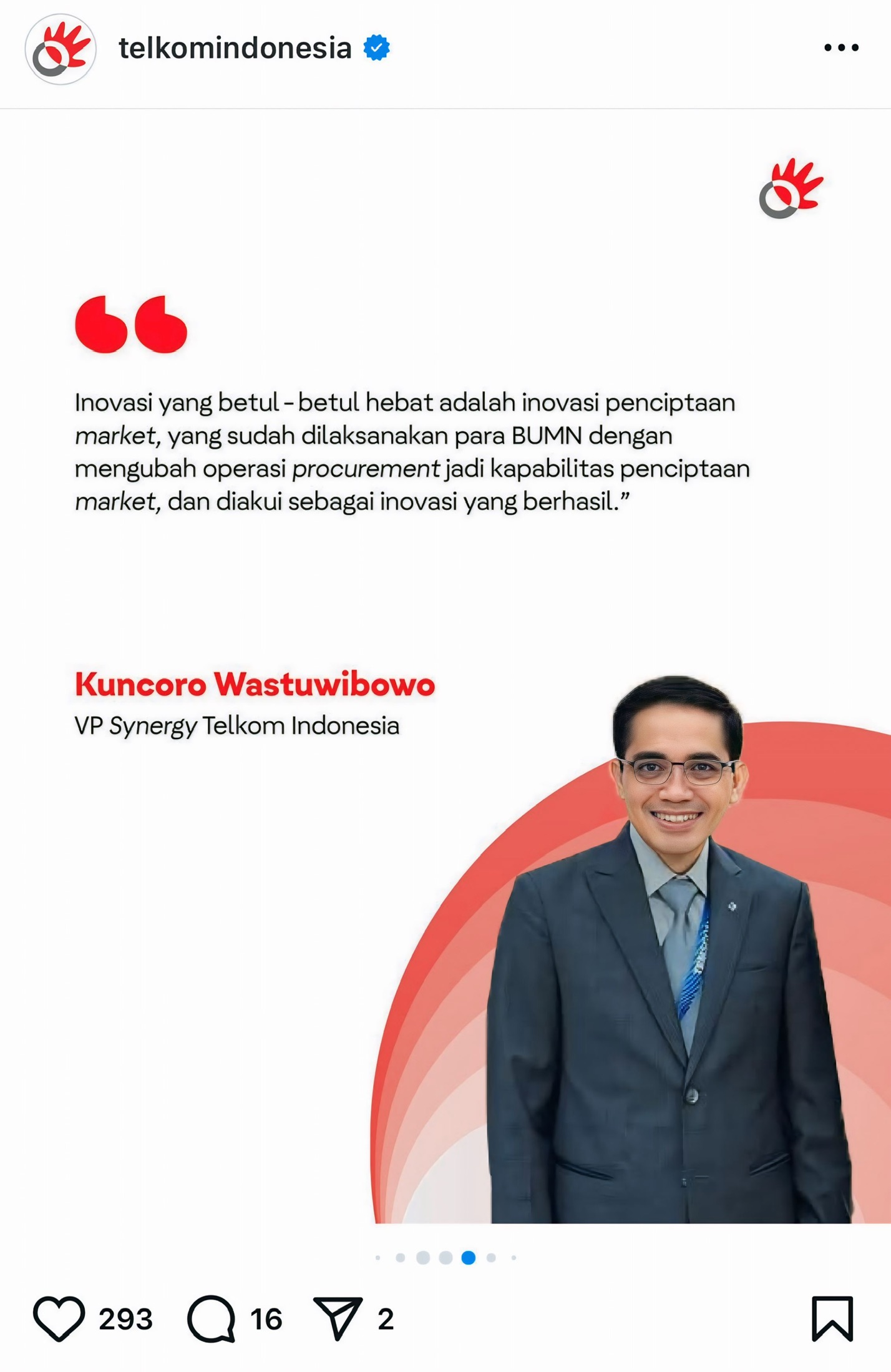
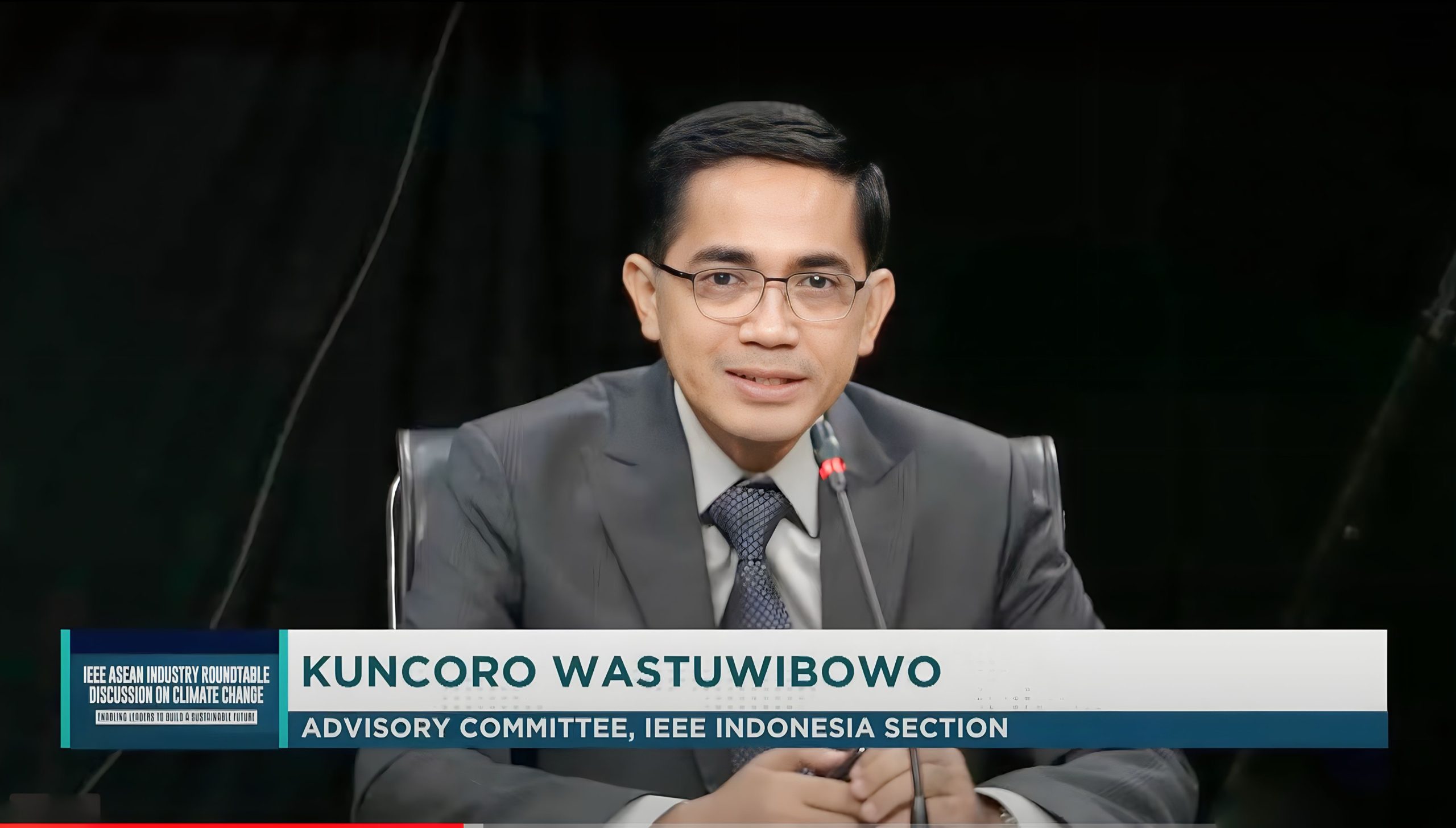
Fotonya sendiri diculik team Corcom (tanpa pemberitahuan sebelumnya, wkwk) dari foto bersama the Coventry Gang di TEMSCON ASPAC 2024 di Sanur.

Sambutan dalam kegiatan itu agak impromptu, disiapkan hanya beberapa menit sebelum naik, karena ternyata opening speech kegiatan ini dilakukan Telkom, bukan dari Kementerian BUMN. Jadi di dalamnya malah masuk teori kompleksitas, teori ekosistem, dan tentu inspirasi Clayton Christensen tentang inovasi.

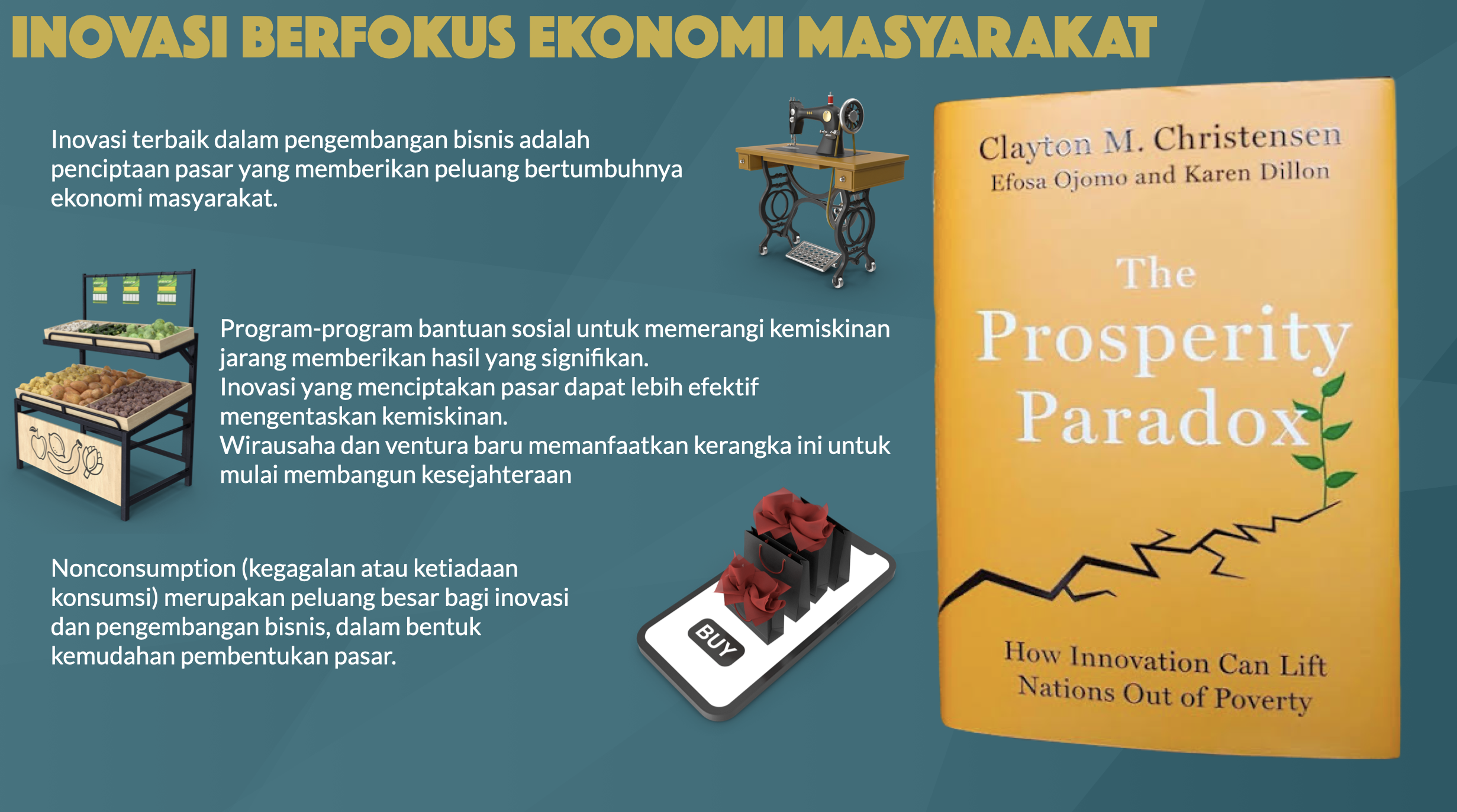
Dalam bukunya yang terakhir sebelum beliau wafat, yaitu The Prosperity Paradox, Clayton Christensen menjelaskan bahwa inovasi penciptaan pasar (market-creating innovation) adalah jenis inovasi yang tidak hanya meningkatkan efisiensi atau mengoptimalkan pasar yang sudah ada, tetapi menciptakan pasar baru yang sebelumnya tidak ada. Inovasi ini berfokus pada penciptaan bisnis yang mengubah non-konsumen menjadi konsumen dengan membuka akses baru dan memberikan nilai bagi masyarakat. Konsep ini berbeda dengan inovasi efisiensi atau inovasi yang berorientasi pada pertumbuhan jangka pendek. Dalam konteks BUMN seperti di atas, mengubah operasi procurement menjadi kapabilitas penciptaan market sejalan dengan bagaimana perusahaan dapat menyusun inovasi lebih dari strategi pertumbuhan yang dangkal seperti follow the money dan low hanging fruit, atau hanya pada efisiensi biaya; tetapi justru dengan menggiring atau bahkan menciptakan pasar baru yang mendorong pertumbuhan ekonomi dan inklusi.
Padi UMKM diluncurkan sebagai bagian dari Gernas BBI di tahun 2020, pada saat negara sedang mendorong berbagai pihak menciptakan program untuk menghidupkan kembali ekonomi rakyat yang tenggelam akibat krisis Covid. Tahun itu, kami sempat dipanggil KSP. Di sana, disampaikan bahwa dari sekian proposal program pengembangan ekonomi berbagai K/L pada tahun krisis 2020 itu, hanya Padi UMKM (Telkom / Kementerian BUMN) yang betul-betul jalan dan memberikan nilai yang cukup besar. Banyak yang lain masih terhambat berbagai faktor. Program Bela Pengadaan di jalan, tapi valuenya kecil. Sepanjang 2021, kami kampanyekan Padi UMKM dalam arus utama program pemulihan ekonomi nasional melalui Gernas BBI. Dan pada tahun 2022, sebagai ekspansi program ini, negara memberikan kepercayaan kepada Telkom untuk menyiapkan platform pengadaan publik baru yang dikelola LKPP.
Sociopreneurship Workshop

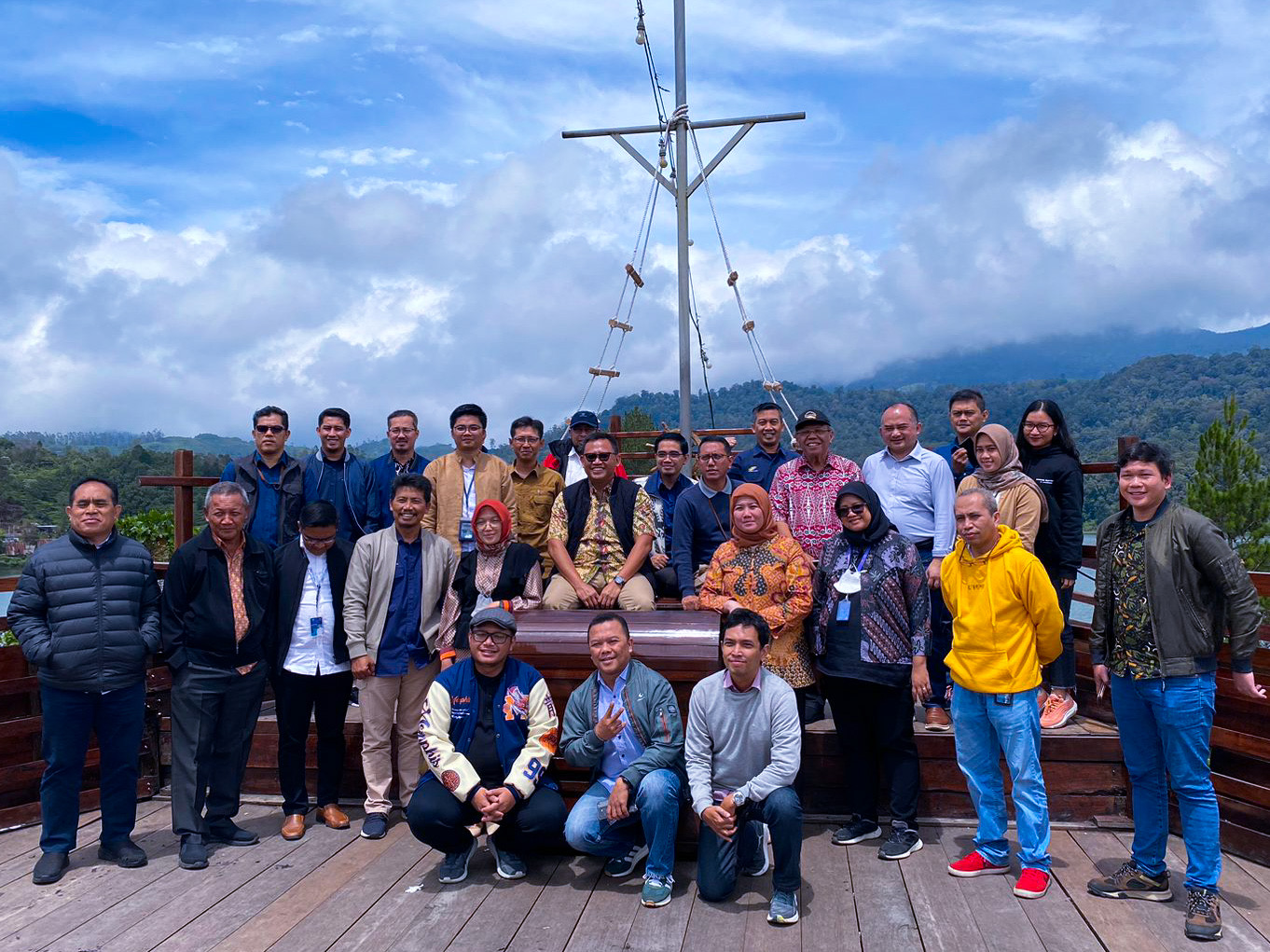
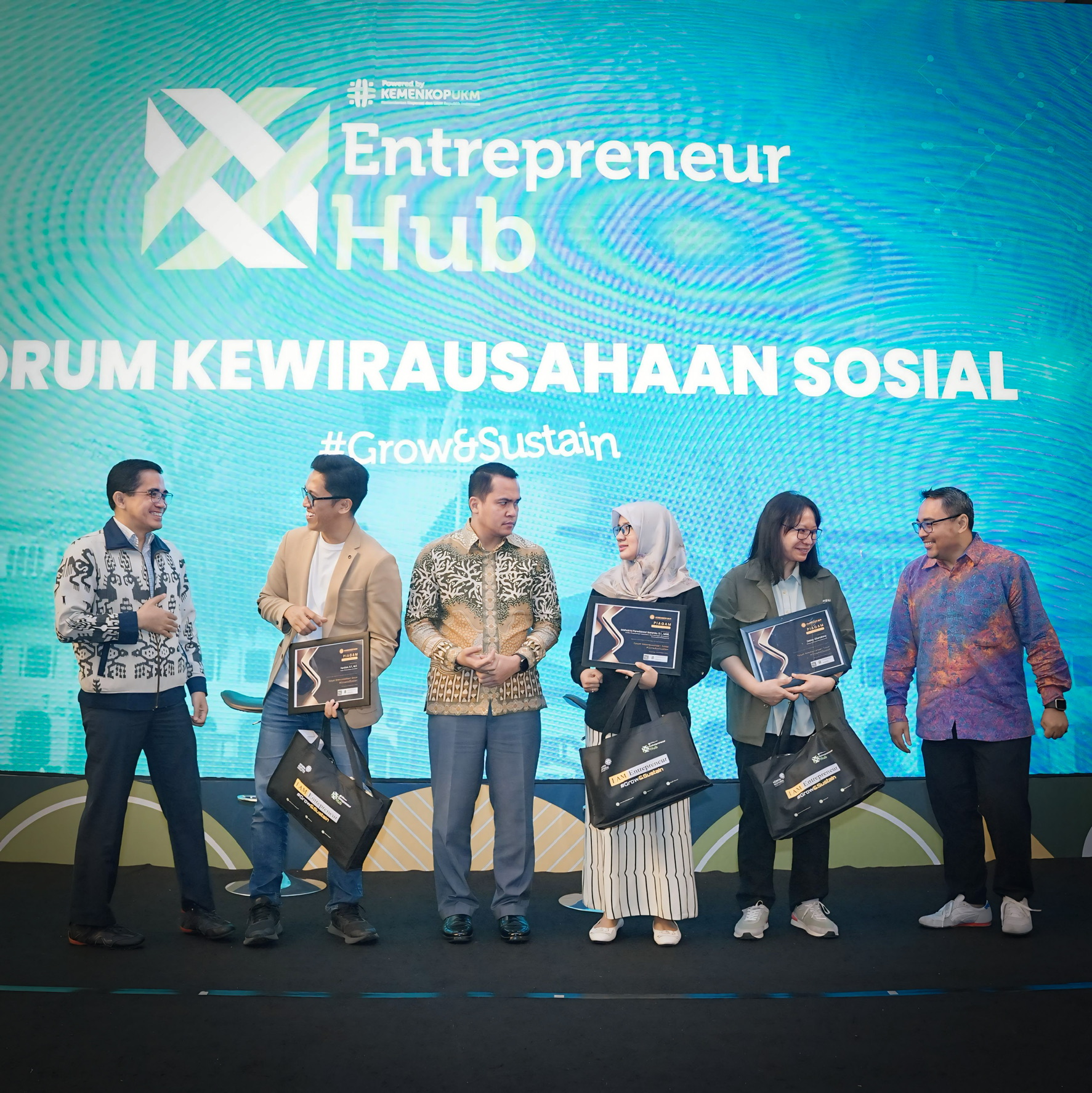
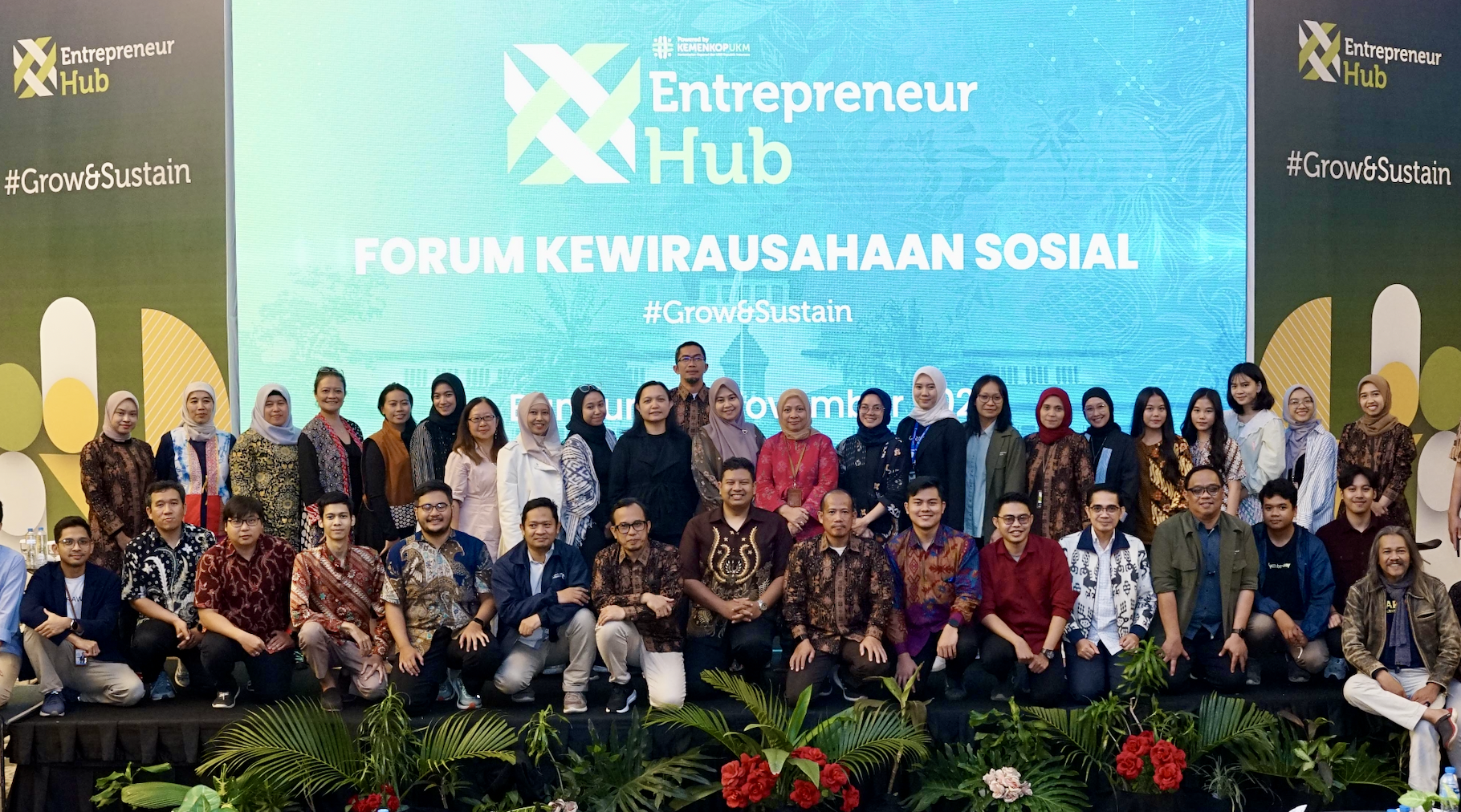
This week, I had the chance to attend a workshop in Bandung, part of the Entrepreneur Hub (EHUB) program organized by the Ministry MSME (KemenUMKM). The event, focusing on sociopreneurship, was opened by Siti Azizah, Deputy for Entrepreneurship, and Irwansyah Putra Panjaitan, Assistant Deputy for Business Ecosystem Development. The audience included social entrepreneurs, SMEs, and representatives from the West Java provincial government. It was an engaging session that shed light on how sociopreneurship is shaping the MSME economy.

Sociopreneurship is all about blending business strategies with a commitment to solving social problems. What makes it unique is that its performance is measured by the impact it creates on Sustainable Development Goals (SDGs). Whether it’s tackling poverty, promoting education, or addressing environmental issues, sociopreneurship drives real-world solutions while building sustainable businesses.

On the regulatory side, the Indonesian government plays a vital role in creating policies that support the growth of these ventures, ensuring they thrive within a robust MSME ecosystem. Ultimately, sociopreneurship is a catalyst for economic and social empowerment, creating a ripple effect of positive change in communities.

IEEE R10 WiE&Industry Forum

The leading role of the IEEE in advancing global science and technology development is undeniable. Still, outside the circles of scientists and engineers, people are more or less blind about the IEEE activities. Interestingly, since the leadership of Prof. Gamantyo Hendrantoro and Dr. Agnes Irwanti in the IEEE Indonesia Section, the publication of IEEE’s scientific discourse has been more widely disseminated to the general public. For two consecutive years, IEEE Indonesia has brought the IEEE President to Indonesia, featuring discussions broadcasted on television to improve the interest of the Indonesian public.

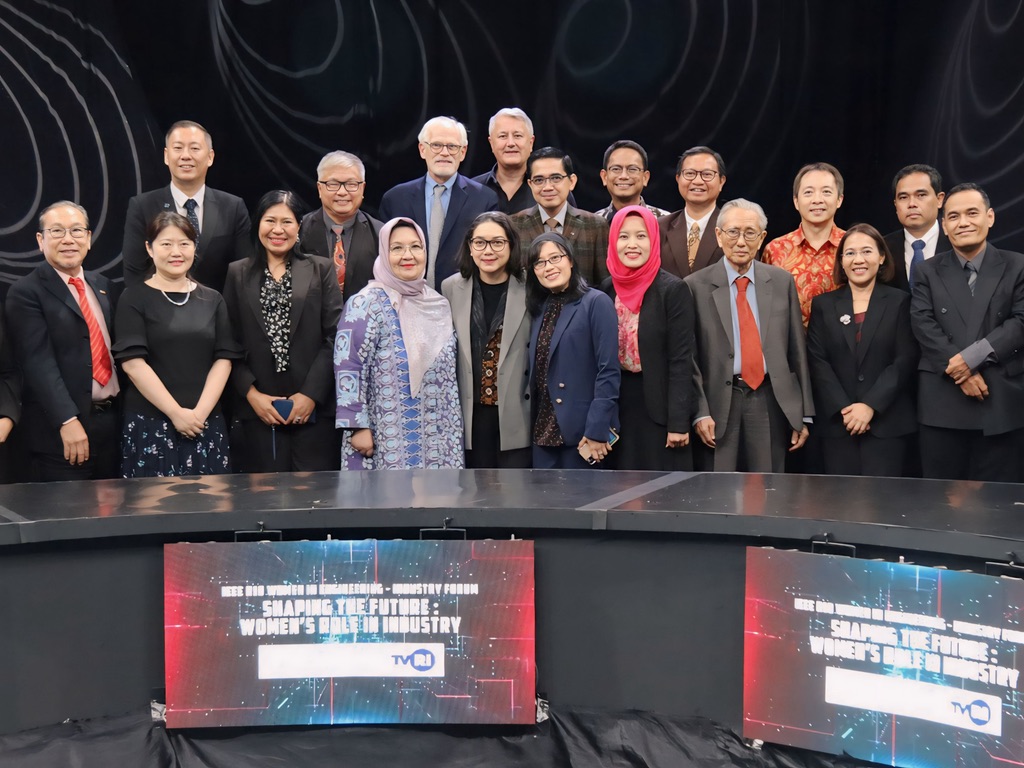
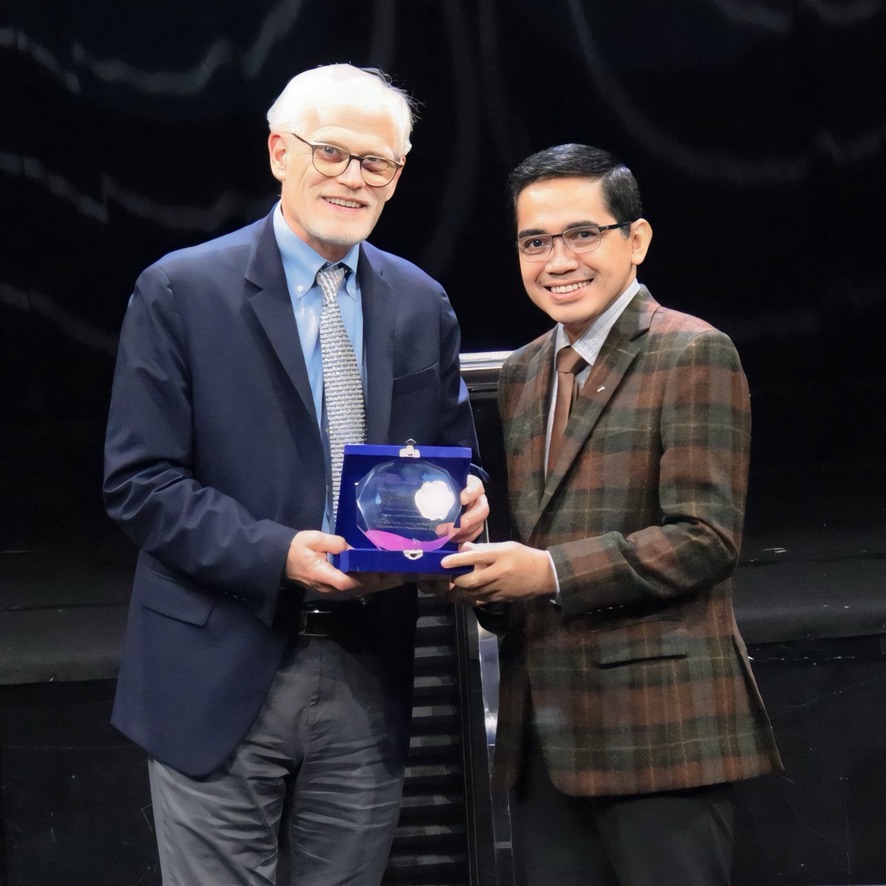
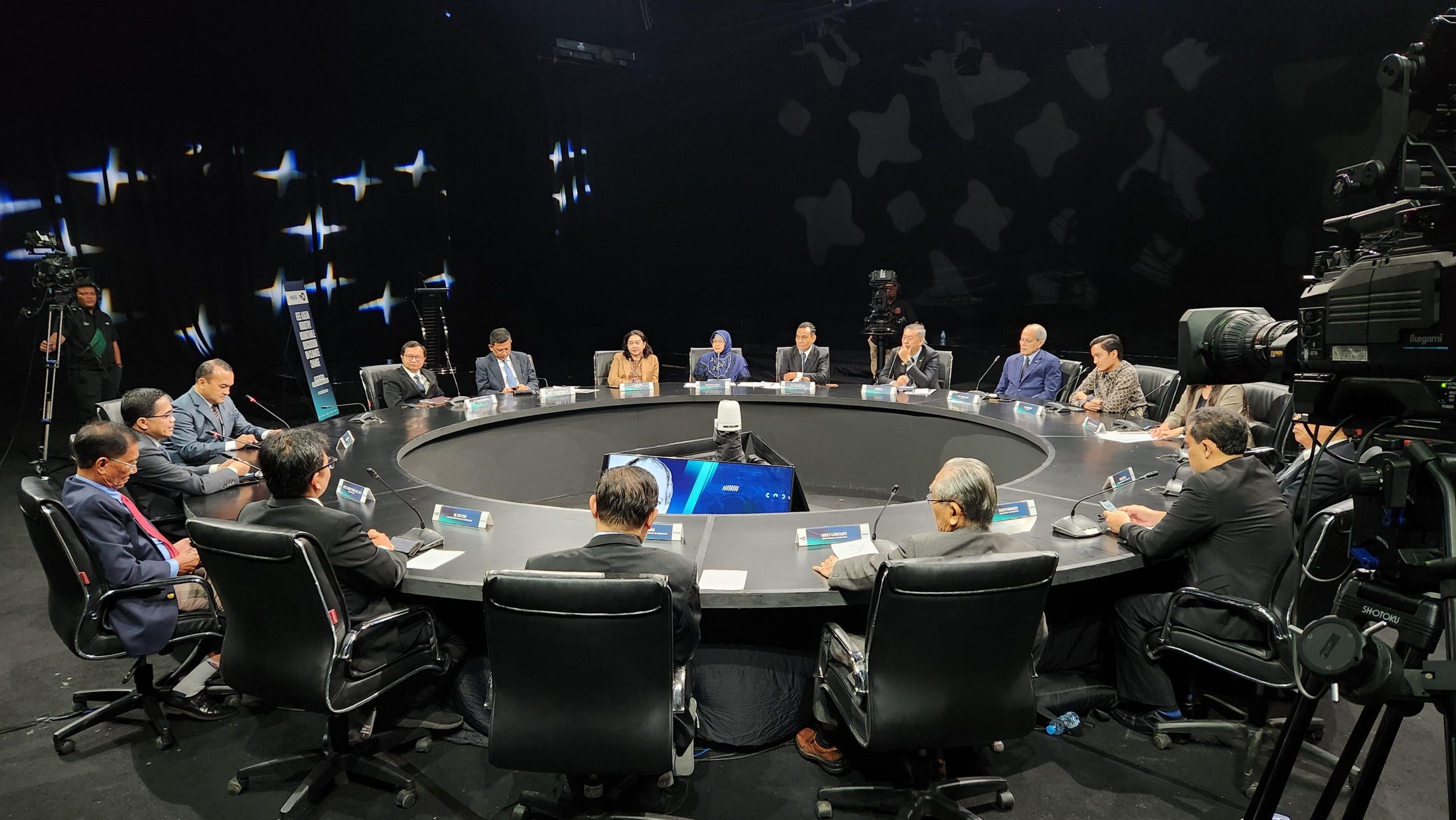
The IEEE President of 2024, Dr Tom Coughlin, paid a visit to Jakarta this week, accompanied by IEEE R10 Director Prof. Lance Fung, IEEE R10 Director-Elect Prof. Takako Hashimoto, IEEE R10 Women-in-Engineering Committee Chair Dr Agnes Irwanti, IEEE Malaysia Section Chair Dr Bernard Lim, and IEEE Indonesia Section Chair Prof. Gamantyo Hendrantoro. As part of the leadership activities, an IEEE briefing was held on the morning of May 14, followed by a talkshow broadcasted by TVRI.

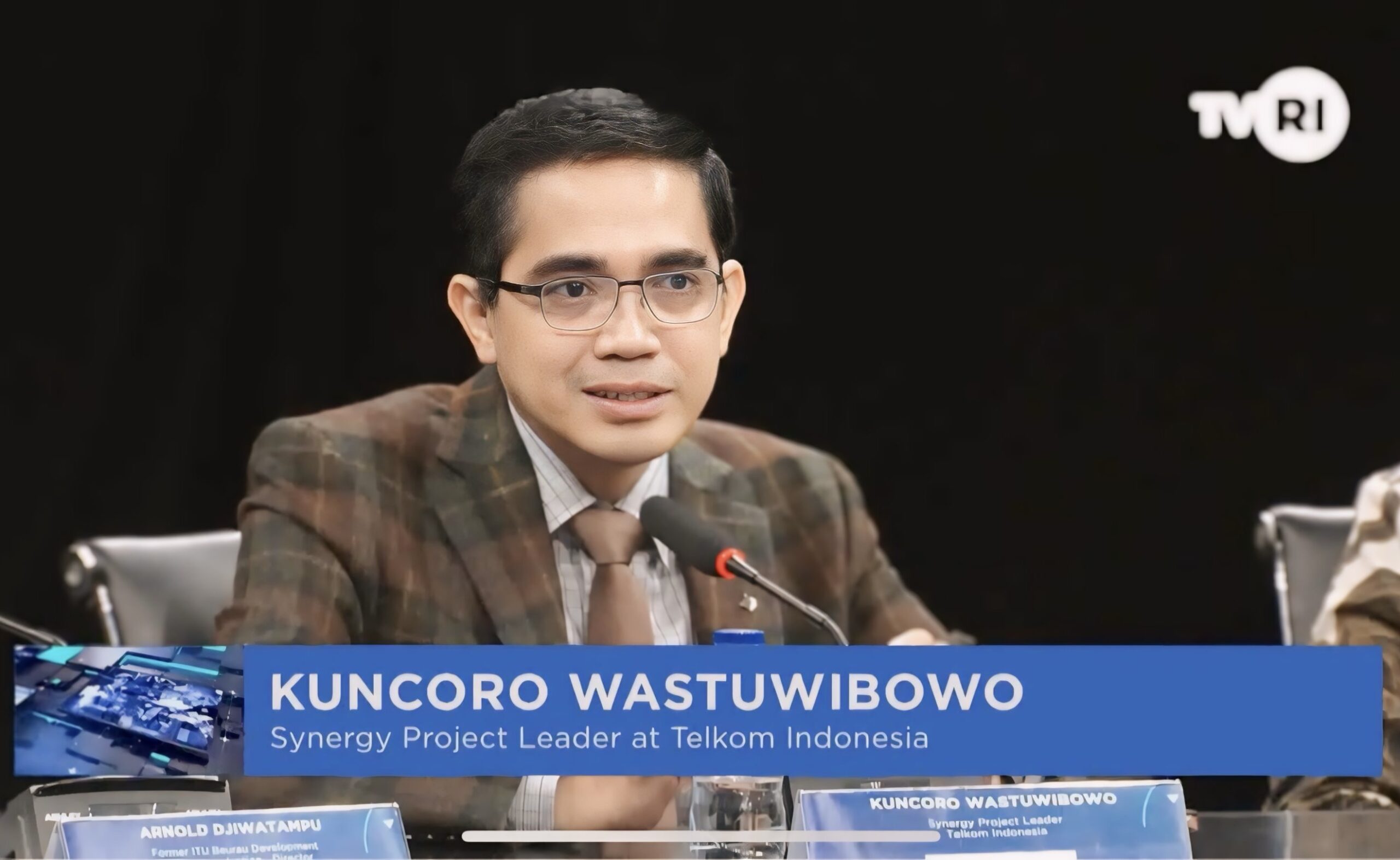
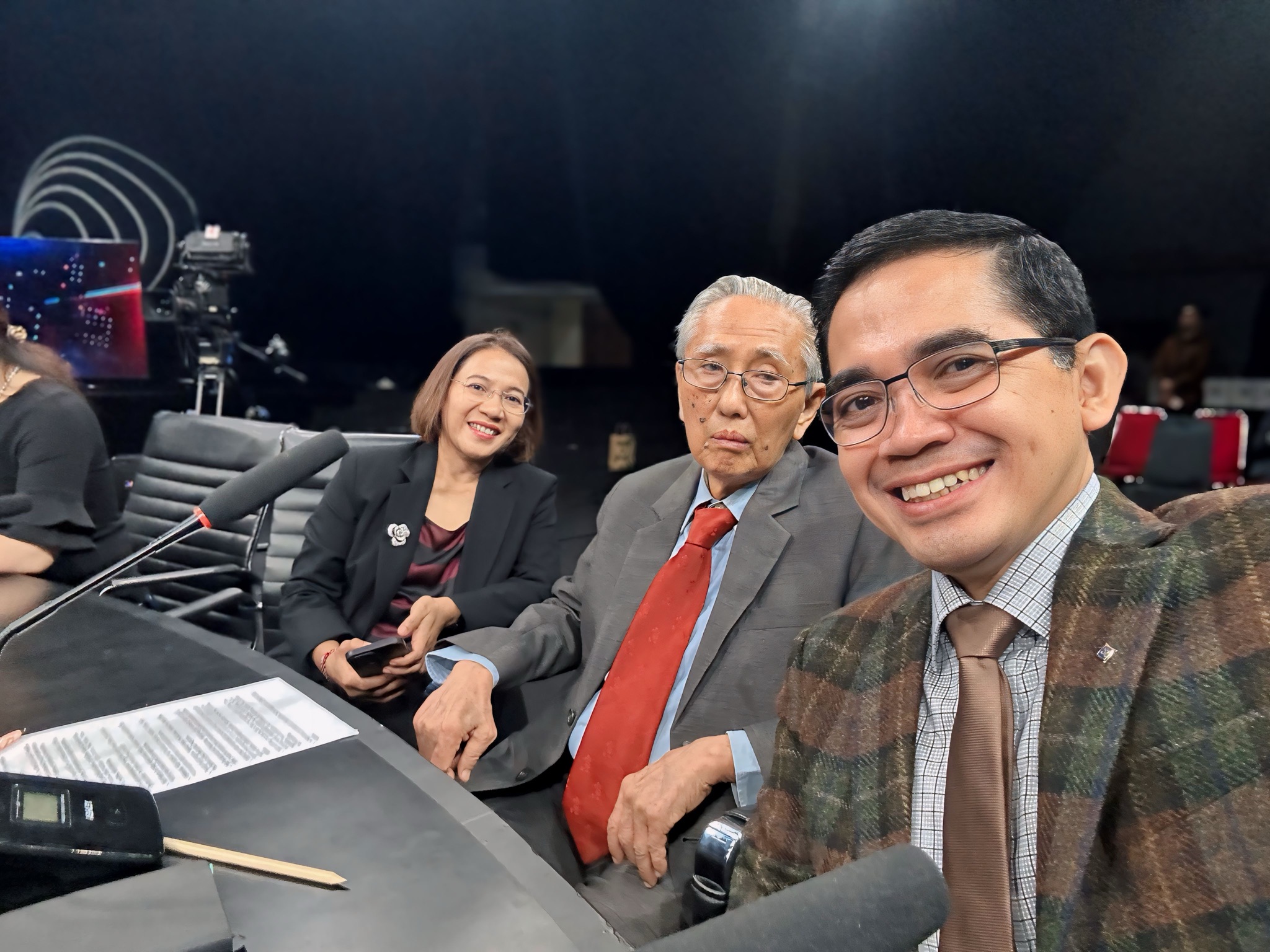
The theme of the talkshow was “Shaping the Future: Women’s Role in Industry” — featuring prominent leaders from the industry, university, government, and the IEEE organisation in the region. One of them is a dear old friend of mine, Elysabeth Damayanti, the OVP of Cybersecurity at Telkom Indonesia. The talkshow started with an opening speech by Dr Agnes, and some keynote speeches from Ms Mira Tayyiba as the General Secretary of the MCI, and Dr Laksana Tri Handoko as the Head of BRIN — the Indonesian governmental centre for research.

As one of the speaker of the talkshow, I started by mentioning the implications of Complexity Science: that we always recognise the diversity of the systems we are working on, where different fields, agents, participants, are all interconnected, resulting in emergence: new values, greater values, surprising values. It is how the Internet and our digital world proliferates, and how both natural ecosystems and business ecosystems sustain. This perspective naturally supports the idea of inclusivity, as different agents from various demographic groups are considered crucial for the survivability and innovativeness of all the systems we are living in, including, surely and crucially, the role of women. It is a key reason to reduce and close the gender disparity.

The WEF has released the 2023 Global Gender Gap Report, mentioning Indonesia in rank 87th out of 146 countries in gender gap. Low enough, but still ahead of some developed countries in Asia, including Japan, China, and South Korea. Indonesian score was about 68% of the gender gap closed — including the relatively low gap in health quality, medium gap in economic participation, and high gap in political empowerment.

We believe that digital transformation that we are developing now, could and should plunge down the disparity. Currently we carry out the digital transformation in strategic & business level to alleviate the economy of the people from the eastern part to the western part of Indonesia; by developing platform, making some piloting implementation with the government, national industry, and then expand it. We work to to enhance MSME business, agriculture, industry, educations, etc, even to remote islands in Indonesia. It is evident, that digital platforms have provided women and men quite equally with wider access to knowledge, services, market & business opportunities. But the transformation must be carefully-planned and deployed with proper education.

Digitalisation in work processes allow us to provide better empowerment for women. It may bypass many social challenges, encouraging women to reduce the unfortunate judgement that are still existing from the traditional norms. Business transformation allow better inclusions in workplaces and business in general. It is also an opportunity for women to aggregate their commitment, capabilities, and opportunities. Use digital services to maximise collaborations, to work in partnership, to be brave take the leadership of the community, to lead the change, and to support each other both in personal level, organisational level, and cross -industry ecosystem.

That is the one of the key. Another key is diversity & uniqueness. So, women should keep their own identity, personality, and mindsets, to preserve different perspectives & values; while opening their mindset to new cultures, different ways of think.

I spent the rest of the time to listen from the honorary speakers of this event. It is one of the most valuable day for me this year, to learn a lot from the wisdoms presented today. Hopefully the IEEE Indonesia Section will continue this valuable activities more and more in the future.

BOD Convo: BRI & Telkom

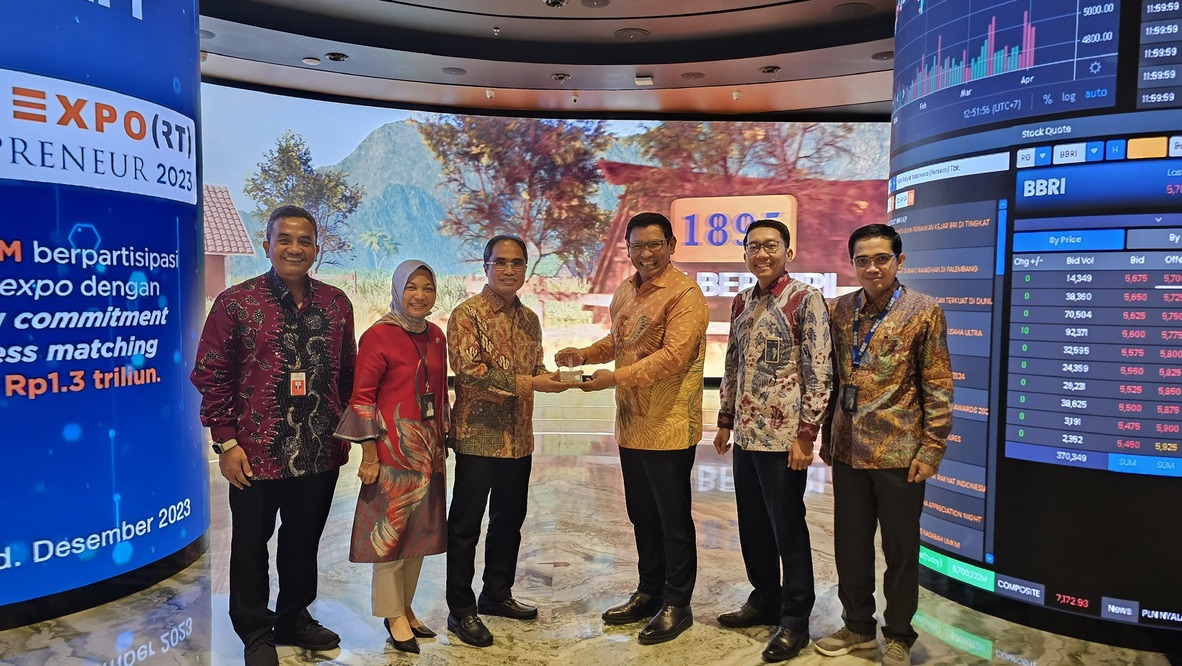
As a part of Synergy team of Telkom Group, sometimes we are requested to facilitate meetings between or among SOEs. This week we got involved in a meeting between the Vice CEO of BRI (Catur Budi Harto), IT Director of BRI (Arga Mahanana Nugraha), Group Business Development Director of Telkom (Honesti Basyir), and CEO of Admedika (Dwi Sulistiani) as one of the subsidiary of Telkom. BRI & Telkom are two of the greatest SOE in Indonesia with strong roles & commitments to enhance ecosystem-based national economy through transformations in technology and business: BRI as the top bank in Indonesia, and Telkom surely as the top telco in Indonesia.

Streamlining among SOEs business developments is always necessary, including technological aspects. As a commitment, BRI will cease its satellite initiatives and return instead to use Telkom satellites (or other providers in compliance to regulatory and business norms). Alignments in the use of data centres are under consideration too. National economic development programs will be managed in alignment with competencies and business. An establishment of BRI-Pegadaian-PNM holding to grow MSME and ultra-micro economy is a good example for that, as well as other holdings and strategic alliances among SOEs. Doors for cross investment could also be opened, for example in healthcare ecosystem.

Agree–Scala Pre-JV Agreement

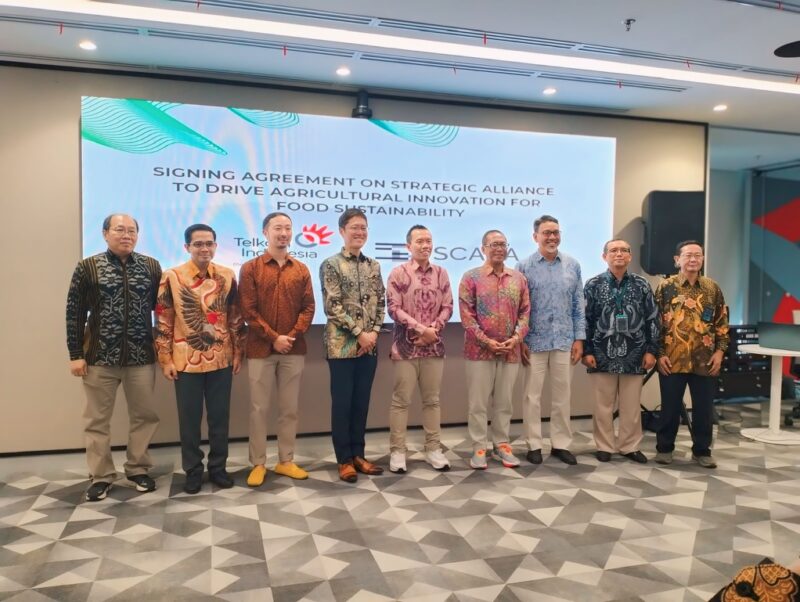
Agricultural transformation is a great technological and business opportunities with huge challenges and risks, requiring strategic-level collaboration or alliance in aggregating the capabilities, resources, while sharing the business risks that may occur.

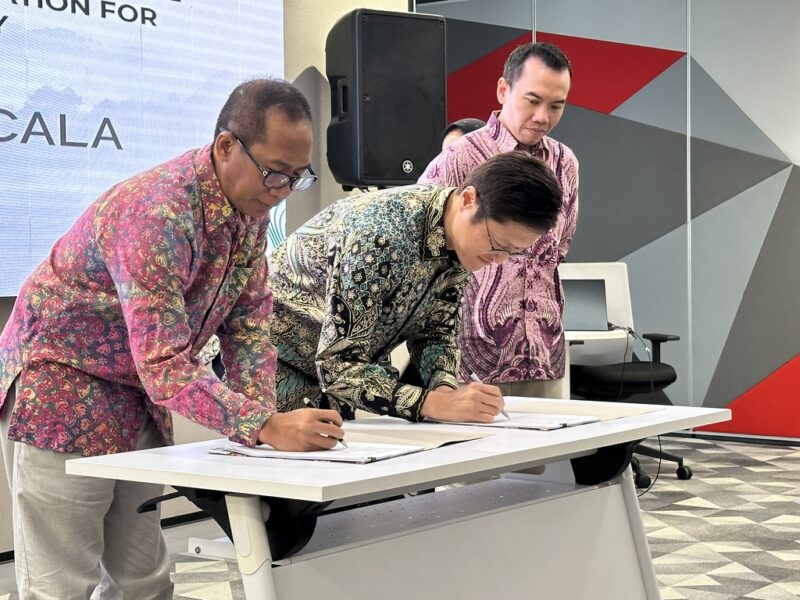
Scala, a Japanese digital enterprise aiming to enhance the prosperity of mankind through digital technology development, has requested since last year to be the strategic partner of Telkom Indonesia in developing digital platform-based agricultural business transformation. We have spent months — days and nights — to discuss the aspects of technology development, business arrangement, ecosystem empowerment, etc for this strategic alliance preparation. Today, 1 April 2024, the representative of Scala BOD has signed the Agreement with EVP of Telkom’s Digital Business & Technology.

After the signing, we will follow up the agreement with some piloting (also in Leadership Transformation called the quick-wins) as a foundation for the collaborative transformation framework. We’ll see in the next months.

IMT-GT Strategic Planning 2024

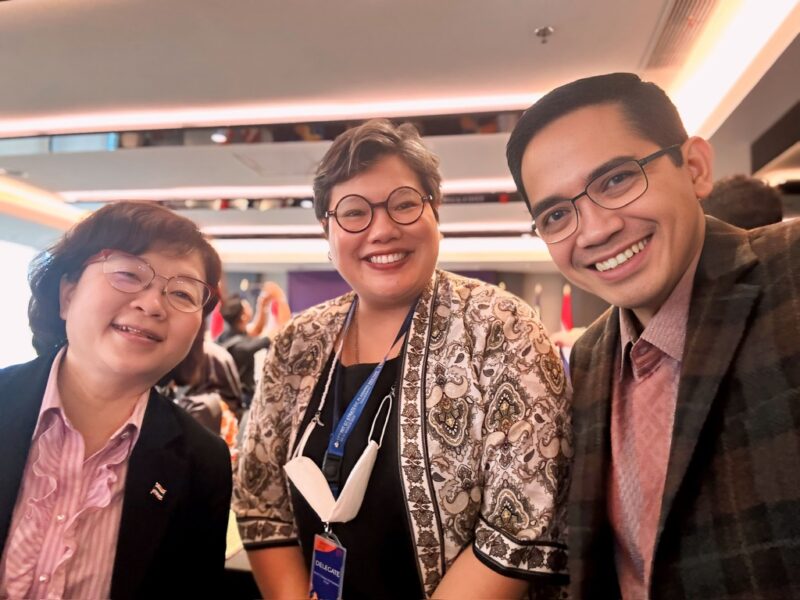
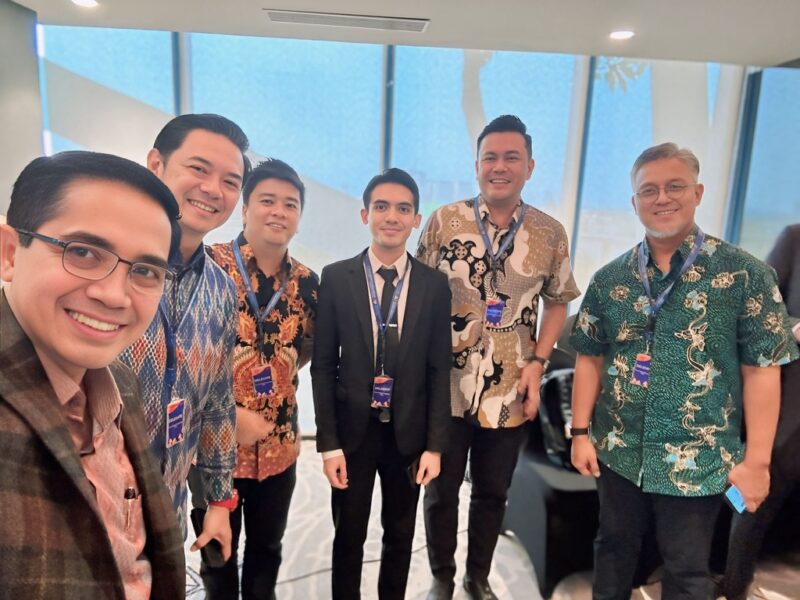
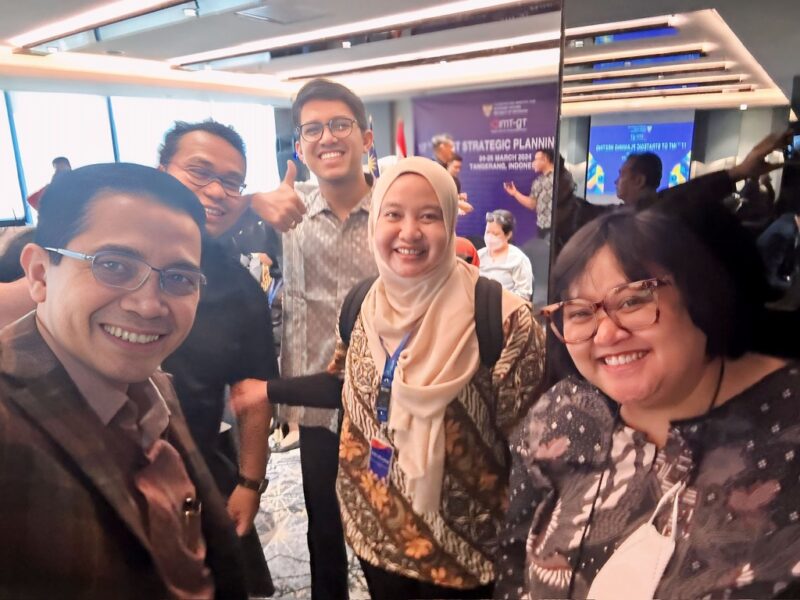
IMT-GT SPM (Strategic Planning Meeting) 2024 is currently carried out in Jakarta, 23–25 March 2024. Leveraging regional economy through digital transformation and ecosystem-based strategy is still the main theme of the discussion. Representing Telkom Indonesia, we put our focus on cross-border MSME products transaction and delivery, expecting to design a pilot with different treatment in custom, logistics, and payment policies & best-practices, to be replicated wider after its initial piloting success.

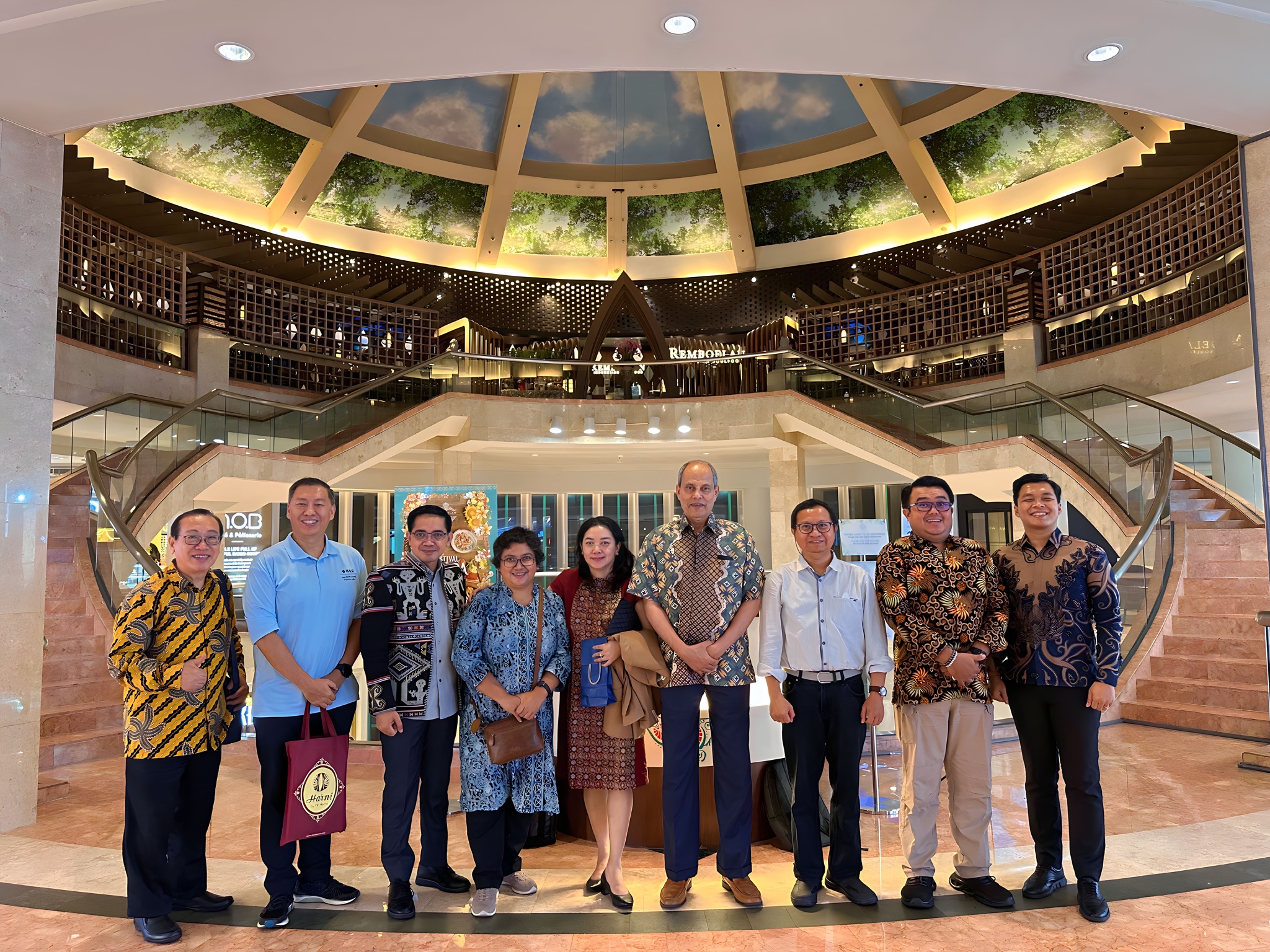
Some pictures after the meeting on Sunday afernoon:

Yours truly with IMT-GT WGDT Chair
Business wings: The JBC
With MCI (Kemkominfo) Team